

If your plant looks tired, moody, or completely over your care routine, do not blame the leaves just yet. A lot of plant problems start in the soil, where roots are dealing with compacted texture, poor drainage, weak nutrient access, or an unhealthy growing environment.
And once the roots are stressed, the rest of the plant usually follows. That is why common soil problems can show up as yellow leaves, slow growth, and weak overall health, even when you feel like you are doing everything right.
So in this article, we’re breaking down the most common soil problems that can quietly mess with root growth and plant health, how to recognise them, and what to do if your soil is working against your plants instead of helping them grow.
Why Soil Problems Show Up in the Roots First

Roots are usually the first place soil problems show up because roots are the part of the plant living in the soil full-time. If the soil is compacted, too wet, too dry, low in nutrients, out of balance, or just generally not a good place for healthy growth, the roots are the first to deal with that stress.
That matters because roots are doing a lot as they take up water, pull in nutrients, help the plant stay stable, and support healthy growth overall. But to do all that properly, they need the right environment around them.
They need oxygen in the soil, enough moisture without being drowned in it, nutrients they can actually access, and enough space to spread out and grow. If the soil is not giving them that, things start going downhill pretty quickly.
For example, if the soil is too dense, roots cannot move through it easily, so they stay restricted and weak. If the soil stays too wet for too long, oxygen levels drop, and the roots end up sitting in conditions that feel more swampy than supportive.
If the soil is depleted or the pH is off, roots can struggle to absorb nutrients properly, even when those nutrients are technically there. So the issue is not always that the plant is not being fed. Sometimes the roots just cannot do much with what is already in the soil.
The tricky part is that root stress usually stays hidden at first, because you cannot see what is going on underground. What you do see is the plant’s reaction later on. That is when leaves start yellowing, growth slows down, the plant looks weak, or everything starts feeling a bit off for no obvious reason. So while the symptoms show up above the surface, the real drama often starts below it.
What Healthy Roots Need From Soil
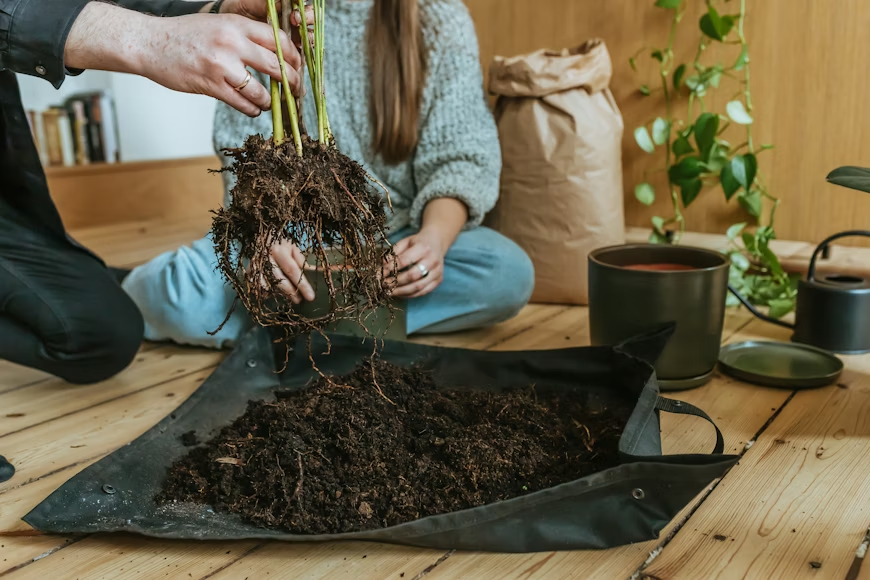
Before we get into common soil problems, it helps to know what roots are actually looking for down there.
Airflow
Roots need oxygen, which is easy to forget because they are underground and not exactly sending updates. Healthy soil has enough spaces in it for air to move through. But when soil gets too compacted, those spaces start closing up, and roots are left trying to grow in conditions that feel a lot more cramped than comfortable. It is one of the reasons common soil problems can start affecting plants before you even realise the soil is the issue.
Moisture Balance
Roots like moisture, but they do not want to sit in soggy soil all day. They also do not want soil that dries out so fast it leaves them hanging. What they need is balance: enough moisture to stay active, but enough drainage to keep things from turning into a mess. When that balance is off, roots are usually the first to feel it.
Nutrients They Can Actually Reach
A plant can be in soil that technically has nutrients in it, but if the soil is unhealthy, roots may still struggle to access them properly. So when a plant looks underfed, it is not always about adding more.
Sometimes, the real issue is that the roots are working with a setup that is making nutrient uptake harder than it needs to be. That is why soil problems affecting root growth can end up looking like nutrient problems above the surface, too.
Organic Matter
Organic matter is one of those things that makes soil better without needing to make a big deal about it. It helps improve structure, supports moisture balance, and makes the soil feel more alive and supportive overall. When soil is low in organic matter, it often feels tired, dry, crusty, or just not very generous.
Microbial Activity
Healthy soil is not just about texture and nutrients. It is also about what is living in it. Beneficial microbes help break down organic material and support nutrient cycling, which makes the whole root zone work better.
You may not see that happening, but roots feel the difference. When the soil has good microbial activity, everything tends to work more smoothly. When it does not, the soil can feel a bit flat, and so can plant growth.
Space to Grow
Roots need room to spread, branch out, and build a strong system. If the soil is dense, compacted, or poorly structured, that becomes a lot harder. Instead of growing freely, roots can stay shallow, restricted, and weaker than they should be. That is a big reason common soil problems can affect the whole plant over time. If roots cannot move properly, the rest of the plant is not going to be at its best either.
Common Soil Problems You Might Be Having
1. Compacted Soil
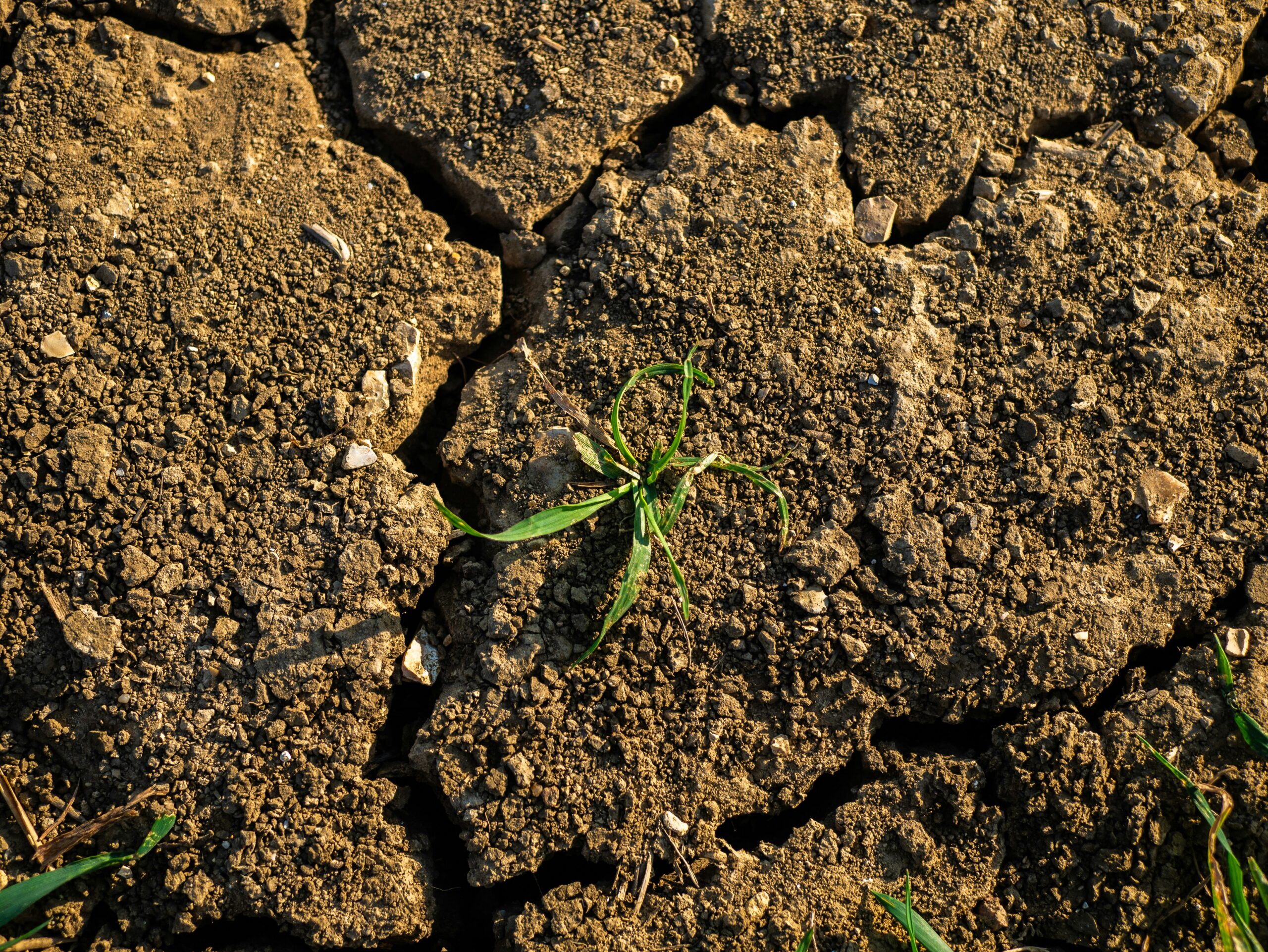
Compacted soil is one of those common soil problems that does not always get blamed first, but honestly, it should. A plant can have decent light, regular watering, and all the good intentions in the world behind it, but if the soil is packed too tightly, the roots are going to have a hard time doing much with any of that. And once roots start struggling, the rest of the plant usually follows along not too far behind.
This happens when soil particles get pressed so closely together that there is less room for air, water, and roots to move through. So instead of having a loose, breathable structure that supports healthy growth, the soil starts acting more like a barrier. Not exactly ideal when you are a root trying to spread out, take up water, and keep the whole plant going.
It is also one of the more frustrating soil problems affecting root growth because a lot of the damage is happening quietly underground. You might just notice that the plant is not thriving the way it should, and meanwhile, the roots are down there working with conditions that are way less supportive than they look from the surface.
Here’s how compaction affects the roots:
- Roots cannot spread the way they should
Healthy roots need space to move down into the soil, branch out, and build a strong system that can support the plant properly. In compacted soil, it gets a lot harder. Instead of growing freely, roots can stay shallow, become restricted, or start growing around dense areas instead of through them. So even if the plant is technically still growing, it is often doing that with a much weaker foundation than it should have. - Oxygen levels drop
This is a big one, and it gets missed a lot. Roots need oxygen in the soil to stay healthy and active. When soil is compacted, the tiny spaces that normally hold air start disappearing. Less pore space means less airflow, and suddenly the root zone becomes a much less comfortable place for roots to grow. If they cannot access enough oxygen, they slow down, get stressed, and stop performing the way they normally would.” - Water movement becomes uneven
Compacted soil does not handle water very well. Sometimes water sits on the surface and takes forever to soak in. Other times it drains poorly and leaves the lower root zone too wet for too long. Either way, the moisture balance becomes difficult for roots to deal with. And roots do best when the soil can hold moisture without turning into a heavy, airless mess. - Nutrient uptake gets harder
When roots are restricted, oxygen is lower, and water movement is off, nutrient uptake usually suffers too. So a plant can start looking underfed or weak, even when nutrients are technically present in the soil. This is one of the reasons adding more fertilizer does not always fix the problem. Sometimes the nutrients are there, but the roots are struggling to access and use them properly. - Root systems stay shallow and weaker overall
Over time, compacted soil can leave plants with root systems that are smaller, weaker, and less resilient than they should be. That makes the plant more sensitive to stress, watering issues, heat, and general changes in growing conditions. Once the roots are limited, the whole plant has less to work with.
Signs Compacted soil may be the issue
Compacted soil does leave clues. They are not always dramatic, but once you know what to look for, they start making more sense.
- Water sits on the surface instead of soaking in properly, taking longer than it should to move through the soil
- The soil feels hard, tight, or slightly crusty, especially at the top layer, where it should normally feel loose
- Plants stay stunted or grow more slowly, even when everything else in your care routine seems fine
- Roots remain shallow and clustered near the surface, instead of spreading deeper into the soil
- The soil feels heavy and dense after watering, rather than loosening and allowing air to move through
What Helps?
The good news is that compacted soil is fixable, not in a dramatic overnight makeover kind of way, but in a steady, roots-will-thank-you-for-this kind of way.
2. Poor Drainage and Overly Wet Soil
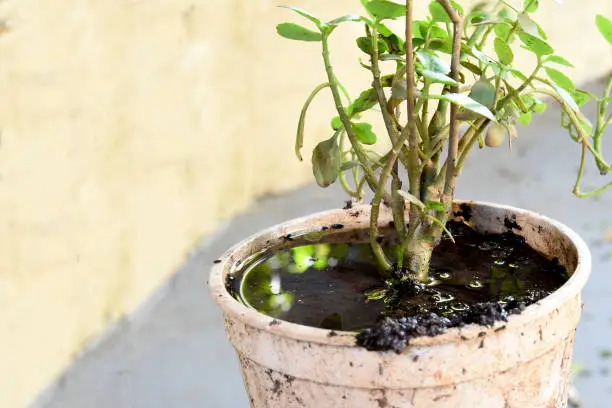
Poor drainage is one of those common soil problems that can be genuinely confusing at first. The soil is wet, sometimes very wet, and yet the plant still looks droopy, tired, or mildly offended by your efforts. Which feels a little unfair, but there is a reason for it.
When soil stays saturated for too long, the root zone loses the air pockets that roots need to function properly. So even though there is plenty of water around, the roots are not exactly down there thriving.
Saturated soil reduces oxygen in the root zone, and that can stress or damage roots surprisingly quickly.
It is also one of the more frustrating soil problems affecting root growth because the symptoms can send mixed signals. A plant can look wilted, weak, or yellow even while the soil is still wet.
So naturally, the first instinct is often to water again. But in a lot of cases, the plant is not asking for more water at all. It is asking for the soil to stop holding on to so much of it. When roots stay too wet for too long, they cannot absorb water and nutrients properly, which is why the plant starts looking stressed above the surface, too.
Why is poor drainage hard on roots?
To see why waterlogged soil causes so many issues, it helps to look at what is actually happening around the roots below the surface.
- Oxygen gets pushed out of saturated soil, because water fills the air spaces roots normally rely on, leaving them in conditions that feel more swampy than supportive
- Roots become stressed when oxygen drops, and they cannot function properly in a soggy, airless environment, which slows overall plant growth
- Nutrient uptake suffers, so even if nutrients are present in the soil, the plant may still look weak or pale because roots cannot use them effectively
- The risk of root rot increases, as constantly wet, low-oxygen conditions create an environment where root problems develop more easily
- Plants can look wilted even in wet soil, because stressed roots stop taking up water properly, making the plant appear thirsty while it is actually overwhelmed
How to tell if poor drainage is the issue
Plants in soggy soil do not always look obviously overwatered, which is part of what makes this one tricky. But there are a few signs that usually show up when the root zone stays too wet.
- The soil stays soggy for too long, remaining heavy and wet long after watering, instead of gradually drying out
- Persistent wilting shows up, even though the soil already contains enough moisture
- Yellow leaves appear, which is often a sign of root stress caused by excess water
- Growth becomes weak or slows down, with the plant losing its usual strength and momentum
- Algae, mold, or a sour smell develops, indicating the soil is staying too wet and lacking proper airflow
What Helps
A few small changes can make a big difference in how the soil handles water and how the roots cope with it.
Improve drainage
The first step is giving extra water somewhere to go. That might mean a better-draining soil mix, improving in-ground soil structure, or using raised beds where needed. If the soil keeps holding water like it has abandonment issues, drainage needs attention.
Match watering to the soil type
Not all soils handle water the same way. Heavier soils stay wet longer, while lighter mixes dry out faster. So using the same watering routine for every setup can get messy pretty fast. The soil type really does matter here.
Add organic matter where appropriate
Organic matter can help improve structure and support better water movement in many soils, especially where compaction or poor texture is part of the problem. The goal is a better balance, not just more moisture or less moisture.
Avoid watering by routine alone
This one saves a lot of plants. Instead of watering automatically because it is “watering day,” it helps to actually check the soil first. If it is still wet below the surface, roots probably do not need another round yet, no matter how committed the schedule feels.
3. Low Organic Matter and Weak Soil Structure
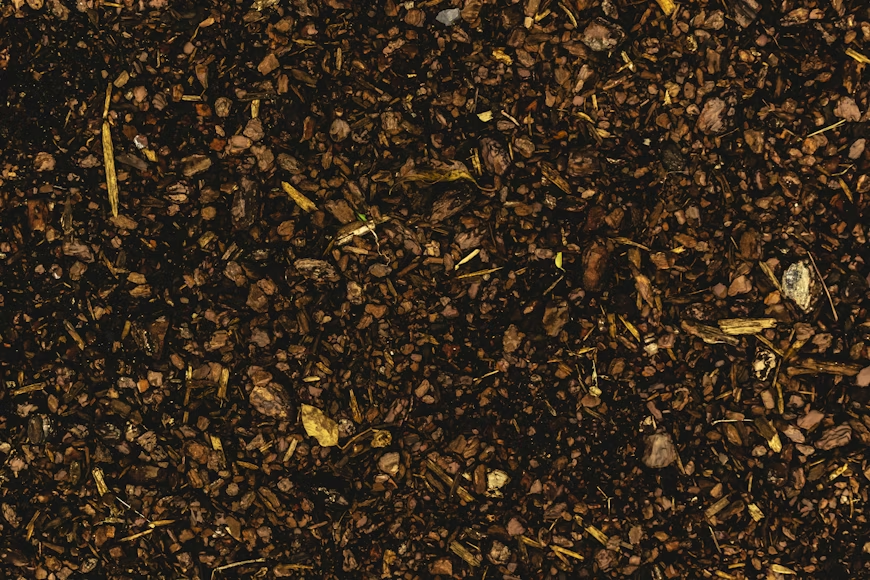
Some soil just has that healthy, crumbly, “I’ve got my life together” energy, and some soil feels like it is one inconvenience away from giving up.
When soil is low in organic matter, it usually does not just affect one thing. It affects the whole setup. The structure is weaker, moisture becomes harder to manage, microbial life has less to work with, and roots end up growing in a space that feels a lot less supportive than it should. That is why this is one of those common soil problems that quietly affects everything from root growth to overall plant health.
It also tends to show up in ways people do not always connect back to the soil straight away. A plant may look weak, the soil may dry oddly, the surface may crust, and nothing feels quite right. Meanwhile, the root zone is down there trying its best in conditions that are giving very little in return.
Why Organic Matter Matters?
- It supports beneficial soil life, feeding microbes that help break down material, cycle nutrients, and keep the soil active and balanced
- It improves soil structure, so the soil holds together without becoming dense, allowing roots, water, and air to move through more easily
- It helps soil hold moisture more evenly, preventing it from drying out too quickly or becoming patchy and inconsistent
- It reduces compaction over time, making the soil less crusty, less dense, and more workable for healthy root growth
- It helps roots move more freely, allowing them to spread properly instead of being restricted by tight or uncooperative soil
Signs your soil may be low in organic matter
This one has clues. They are not always dramatic, but they do start adding up.
- The soil feels dry, dull, or lifeless, lacking the rich, crumbly texture you usually see in healthier soil
- Water does not behave properly, either running off too quickly or disappearing fast without being held evenly
- Plants look weak or underwhelming, growing slower and lacking the vigor you would normally expect
- Plants do not recover well after stress, such as heat, transplanting, or inconsistent watering
- The soil surface crusts easily, becoming hard and sealed instead of staying soft and open
What Helps
The nice thing here is that this problem usually responds well to steady, sensible improvements.
Compost
Compost is one of the best ways to build organic matter and improve soil structure over time. It helps the soil hold moisture more evenly, supports microbial life, and makes the root zone more workable overall.
Mulching
Mulch helps protect the soil surface, reduces moisture loss, and feeds the soil gradually as it breaks down. It also helps stop the surface from crusting so easily, which is especially helpful if the soil already feels exposed or worn out.
Gentler soil management
If the soil is already struggling, overworking it usually does not help. Too much digging, disturbing, or constant fixing can make the structure harder to rebuild.
Building soil over time instead of chasing quick fixes
This is really the part that matters most. Low organic matter is usually a long-term soil health issue, so the best results come from long-term care, too. Compost, mulch, lower disturbance, and steady improvement tend to do far more than trying to force one quick fix and hoping the soil suddenly becomes amazing by next Tuesday.
4. Nutrient Imbalance or Low Nutrient Availability
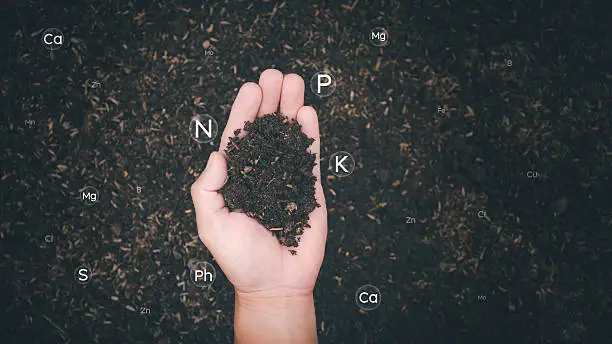
This is one of those moments that makes people want to side-eye their fertilizer. You feed the plant, you water it, you try to be responsible, and somehow it still looks unimpressed. Annoying, yes. Uncommon, not at all.
A lot of the time, the problem is not that the soil has zero nutrients. It is that the plant cannot access or use them properly. And that usually comes back to the soil environment. If the pH is off, the roots are stressed, or the soil biology is not doing much, nutrients can end up sitting there while the plant continues to struggle. That is why this is one of those common soil problems that can look like a feeding issue on the surface, even when the real problem starts lower down.
Why Adding Fertilizer Does Not Always Fix It
Sometimes, fertilizer is not the hero of the story. Sometimes the bigger issue is that the soil is making things harder than they need to be.
- Nutrients may already be in the soil but not fully available, especially when soil pH is too high or too low, making it harder for roots to access what is already there
- Stressed roots struggle to absorb nutrients properly, so issues like compaction, poor drainage, or weak soil structure can slow uptake even if nutrients are present
- Low microbial activity makes the system less efficient, since microbes help break down organic matter and keep nutrients moving in forms plants can actually use
Signs This Might be the Real Issue
This one can be sneaky, because the symptoms are easy to blame on “not enough fertilizer.” But there are a few signs that point more towards nutrient imbalance or poor nutrient availability instead.
- Yellowing leaves appear, which can signal nutrient imbalance, root stress, or pH-related lockout—not just a lack of fertilizer
- Growth slows down or stalls, with plants staying smaller or not developing as expected despite being fed
- New growth looks weak or undersized, often pale and lacking strength because nutrient uptake is not working properly
- Overall plant colour looks dull or faded, even if there are no dramatic symptoms
- Feeding does not improve the plant, which is usually the biggest clue that the issue lies in soil conditions, not just fertilizer
What usually helps
The good news is this is one of those common soil problems where a smarter approach usually works better than throwing more products at it and hoping for the best.
Test before guessing
A soil test is one of the easiest ways to stop playing nutrient detective with very little evidence. It can help show whether the issue is an actual deficiency, a pH problem, or something else going on in the soil.
Look at the soil conditions, not just the fertilizer routine
If the soil is compacted, too wet, too dry, or low in biological activity, roots may still struggle even if you are feeding regularly. That is why it helps to look at the full root-zone picture instead of focusing only on what has been added. Nutrients do not work in isolation, and roots definitely do not either.
Support the root zone and soil biology
Better structure, better moisture balance, healthier roots, and stronger microbial activity all make nutrient use more efficient. When the soil starts working better, plants often get much better at using the nutrients already available to them.
5. Soil pH Problems
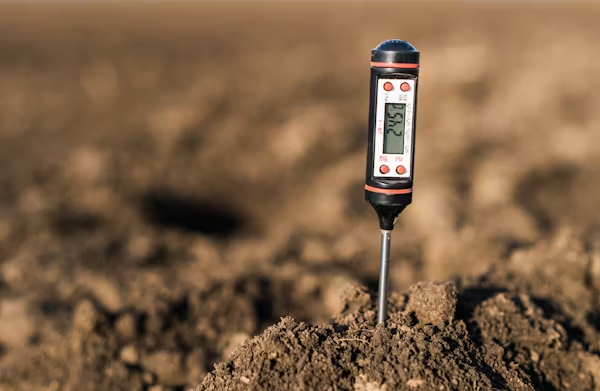
Soil pH is one of those common soil problems that can make plants act strangely while the soil sits there looking completely innocent. Everything can seem fine on the surface, you can be feeding regularly, and the plant still looks pale, slow, or vaguely annoyed. The reason is that soil pH affects how available certain nutrients are to roots.
So the nutrients may technically be present, but if the pH is too far out of range for that plant, uptake becomes a lot less efficient. High pH can make micronutrients like iron, manganese, copper, and zinc less available, while low pH can also create nutrient availability issues and affect soil biological activity.
This is also one of those soil problems affecting root growth that can get mistaken for a simple fertilizer issue. You add more, expect a glow-up, and the plant basically says, “Thanks, but that was not the problem.” The issue is not always a lack of nutrients. Sometimes it is the soil chemistry that makes those nutrients harder to use.
Why Soil pH Affects Nutrient Uptake
- Nutrients can be present but still hard for plants to use, because pH directly affects how easily roots can access them, especially micronutrients
- High pH reduces the availability of key micronutrients, like iron, manganese, copper, and zinc, which can lead to yellowing even when nutrients are technically present
- Iron chlorosis is a common result of high pH, where iron exists in the soil but becomes difficult for roots to absorb, causing yellowing that does not improve with feeding
- Low pH can also disrupt the system, by reducing microbial activity, interfering with nutrient cycling, and making the root zone less efficient overall
Signs pH Could Be Part of the Problem
This one can be annoying because the symptoms love to pretend they are just a simple nutrient deficiency. They are not always that straightforward.
- Yellowing or chlorosis appears, often with greener veins, which is a classic sign of pH-related micronutrient issues
- Growth becomes slow or underwhelming, with plants struggling to reach their normal size or health
- Plants show nutrient-deficiency lookalikes, where symptoms suggest a lack of nutrients but the real issue is poor availability
- Plants do not respond to normal feeding, which is a strong sign that the problem lies in pH, not just nutrient supply
What Usually Helps?
The good news is this is one of those common soil problems where the smartest move is not “add more and hope.” It is getting clarity first.
Start with a soil test
A soil test is the best way to find out whether pH is actually the issue and what range you are dealing with. It can also show whether nutrient levels are low, whether pH is limiting availability, and whether any amendments make sense. Basically, it saves you from trying to decode your entire garden from one yellow leaf and a feeling.
Do not guess based only on leaf symptoms
Yellowing and slow growth can come from several different problems, including pH, poor drainage, compaction, and true nutrient deficiency. That is why visual symptoms are helpful clues, but not the whole answer.
Choose amendments or plant choices appropriately
If pH is off, the right fix depends on the soil and the plant. In some cases, amendments such as lime or sulfur may help adjust pH. In others, choosing plants that are naturally better suited to the existing soil may be the more realistic long-term move. Minnesota Extension notes that lowering high pH is often difficult in some soils, so plant choice can matter a lot.
6. Salinity Buildup
Salinity buildup sounds like one of those problems that only shows up in very serious gardening conversations, but it can actually be a real issue in everyday growing too. It happens when too many soluble salts build up in the soil over time, and once that starts happening, roots have a much harder time doing their job properly.
Water becomes harder to take up, seedlings can struggle, and the root zone starts feeling a lot less supportive than it should. So yes, this is one of those common soil problems that can quietly mess with plant health without making a huge scene about it right away.
It is also one of the more annoying soil problems affecting root growth because the symptoms can look a bit confusing at first. A plant may look dry, weak, slow, or just generally not happy, even when you are watering and feeding like a very committed plant person.
That is because excess salts can make it harder for roots to absorb water properly, so the plant can start acting stressed even when moisture is technically there. Which is not exactly helpful, but here we are.
How Salt Buildup Affects Roots?
Before you can fix it, it helps to understand what salt buildup is actually doing below the surface, where you cannot see it.
- Water becomes harder for roots to take up, so even when the soil has moisture, the plant can still act thirsty because roots struggle to access it properly
- Root penetration becomes more difficult, as salt buildup makes the soil tougher and more restrictive, limiting how well roots can spread and develop
- Seedlings and young plants are more sensitive, often struggling to establish properly when salinity is high
- Soil structure becomes more stressed over time, with reduced aeration and infiltration, making the entire root environment less supportive
Where does it usually come from?
Once you know how it affects your plant, the next step is figuring out where that excess salt is coming from in the first place.
- Poor-quality irrigation water can introduce salts, which build up over time, especially in areas with high evaporation or limited soil movement
- Fertilizer use can contribute to salt buildup, particularly with repeated applications in containers or poorly draining soils
- Poor drainage allows salts to accumulate, instead of being flushed out of the root zone, which can make both issues worse together
What Helps
A few small adjustments in how you manage water, soil, and inputs can go a long way in preventing salt buildup and keeping your plant’s root zone balanced.
Check your water and fertilizer habits
If salinity might be part of the issue, it helps to step back and look at what is going into the soil regularly. That means paying attention to irrigation water quality where possible and being more mindful of fertilizer use, especially in setups where salts can build up faster.
Improve drainage
Better drainage gives salts more chance to move away from the root zone instead of sitting right where the roots are trying to grow. If the soil is staying wet, dense, or heavy, improving drainage can make a real difference here.
Deal with it early
Salinity is much easier to manage before plants are heavily stressed. So if growth is weak, seedlings are struggling, or the soil seems to be causing ongoing issues despite decent care, it is worth looking into sooner rather than later.
7. Erosion, Topsoil Loss, or Disturbed Soil
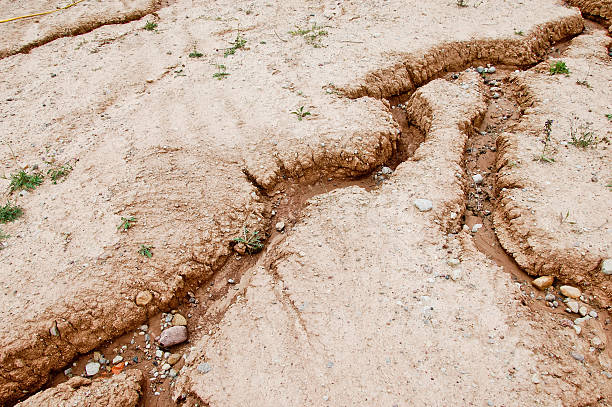
This one is especially common in outdoor spaces, and it can be such a pain because the soil might not look terrible at first glance. But if the top layer has been washed away, scraped off, or badly disturbed, plants usually end up growing in soil that is way less supportive than it should be. And roots notice that very quickly.
Topsoil is basically the good stuff. It is the layer where a lot of root activity happens, where organic matter builds up, and where much of the soil life is most active. So when that layer is missing, thinned out, or mixed up with poorer soil underneath, the whole setup gets weaker. Water runs off faster, roots struggle more, and plants often grow like they are trying their best in very underwhelming conditions.
Why Topsoil Matters
To understand why plants struggle in disturbed soil, it helps to start with what topsoil actually does for the roots.
- Most root activity happens in the upper soil layer, where feeder roots find the best balance of air, moisture, nutrients, and organic matter
- Losing or disturbing topsoil removes the most supportive zone, leaving roots without the layer that does most of the work for healthy growth
- Topsoil holds the richest organic matter and biological activity, making it the most “alive” and workable part of the soil
- What’s left underneath is usually denser and less fertile, so roots end up in a tougher, less supportive environment
Signs this may be happening
If topsoil has been lost or disturbed, the plant usually gives you a few subtle (and not so subtle) clues.
- Exposed subsoil looks pale, dense, and low in organic matter, often feeling harder and less crumbly than healthy topsoil
- Poor growth after construction or grading, where soil has been scraped, compacted, or disturbed and not properly rebuilt
- Water runs off quickly instead of soaking in, showing the surface layer is not holding or absorbing moisture well
- Soil feels hard, compacted, or like low-quality fill, lacking structure, organic matter, and overall support for roots
What Helps
The good part is that even damaged or missing topsoil can be improved with the right approach over time.
Compost incorporation
Adding compost is one of the best ways to start rebuilding disturbed or topsoil-poor areas. Compost helps improve structure, organic matter, and water-holding, and it gives roots a much more supportive place to grow.
Mulching
Mulch helps protect the surface, reduces moisture loss, and slowly improves the soil as it breaks down. It also helps stop the surface from becoming bare, crusted, or vulnerable to more erosion.
Protecting bare soil
Bare soil is much more likely to wash away, dry out too fast, or become compacted. Keeping it covered with mulch, plants, or some kind of ground protection helps preserve what is left and gives the soil a better chance to recover.
Rebuilding gradually
This is usually not a one-week fix, and honestly, the soil would like everyone to accept that. Disturbed soil tends to improve best with steady care over time. Adding organic matter, keeping the surface protected, and avoiding more unnecessary disturbance usually works much better than trying to force a quick turnaround.
How To Tell If The Problem Is Actually In The Soil
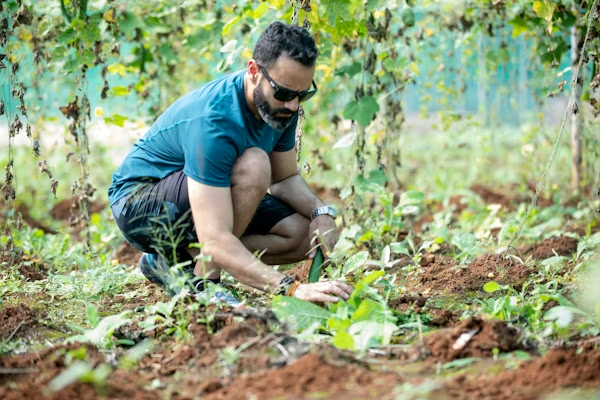
A lot of plant issues look the same at first. Yellowing, slow growth, weak stems, sad leaves, it is very easy to blame the plant, the weather, or your fertilizer, and move on. But sometimes the real issue is sitting right under everything.
Literally. If the soil is compacted, poorly drained, out of balance, or low in plant-available nutrients, the plant can keep struggling even when your care routine looks perfectly fine on paper.
The good news is you do not need to turn into a soil scientist overnight. There are a few quick checks that can help you figure out whether the problem is in the soil before you start throwing more fertilizer at it and hoping for a personality change. That matters because soil testing is widely recommended before assuming nutrients are the issue, and proper pH is a big part of whether plants can actually access what is already there.
Quick checks you can make before guessing
Check how the water behaves
If water sits on the surface for too long, the soil may be draining too slowly. If it disappears immediately and the soil dries out again almost as fast, it may be draining too quickly or not holding moisture well. Either way, roots are not getting the balance they need. Sour-smelling soil is also a clue that drainage may be poor and oxygen is low.
Pay attention to how the soil feels
Healthy soil usually feels crumbly and workable. If it feels hard, crusted, tight, or a bit lifeless, that can point to compaction, low organic matter, or weak structure. Poor air circulation and reduced organic matter are also linked with sour-smelling soil and weaker structure.
Notice the smell
Soil should smell earthy. If it smells sour, stale, or swampy, that is usually not a great sign. Poorly drained soils often develop that kind of smell because oxygen is low and the soil is staying too wet for too long. A slightly rude clue, but still a useful one.
Look at the roots if you can
If roots are shallow, weak, or darker than they should be, that is worth noticing. Poor drainage and low oxygen can damage roots, while compacted or poor soil conditions can reduce root spread and make it harder for roots to establish properly.
Ask the obvious question: Is the plant still struggling even after feeding?
If you are fertilizing and the plant still looks unimpressed, that is often a sign the issue is not just “needs more nutrients.” Soil pH affects nutrient availability, and soil tests measure plant-available nutrients rather than total nutrients in the soil. So yes, the nutrients might be there, but that does not always mean the plant can actually use them.
When a soil test is actually worth it
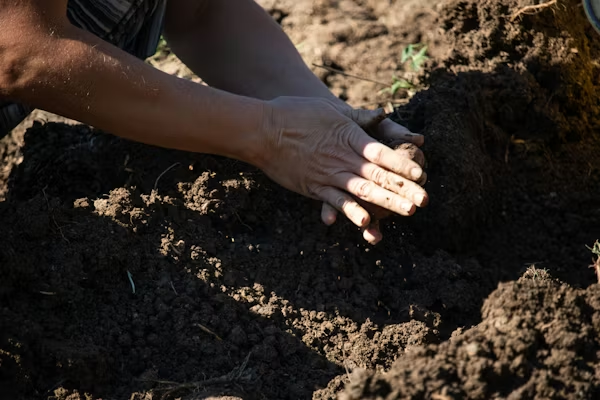
A soil test makes the most sense when the symptoms keep repeating, when feeding is not helping, or when the problem could be one of several things. If you are dealing with yellowing that will not clear up, poor growth that keeps coming back, pH-related suspicion, possible salinity, or general nutrient confusion, testing saves a lot of guesswork.
A proper soil test can check pH and several essential nutrients, help identify what is most likely limiting growth, and reduce unnecessary fertilizer use.
It is also helpful because a lot of soil problems overlap. Poor drainage, pH issues, low nutrient availability, and salt buildup can all create similar above-ground symptoms. That is why testing before assuming fertilizer is the answer is usually the smarter move.
How to Improve Unhealthy Soil Without Chasing Quick Fixes
If your soil is not doing its job properly, the fix is usually not to keep adding random products and hope one of them saves the day. Most of the time, unhealthy soil improves when you support the root zone, improve the soil environment, and stop treating every problem like it is just a fertilizer issue.
That means looking at how the soil holds water, how compacted it is, how active it is biologically, and whether roots are actually able to access the nutrients already there. Because sometimes the plant does not need “more.” It just needs the soil to start cooperating.
Add organic matter where the soil feels tired
If the soil feels flat, dry, crusty, or lifeless, adding organic matter is usually one of the first things that helps. Compost can improve structure, support moisture balance, and make the soil feel more active and workable over time. It is one of the simplest ways to start rebuilding soil that has lost a lot of its natural support system.
Improve structure gradually, not aggressively
If the soil is compacted or heavy, roots already have a hard enough time. So the goal is not to attack the bed with endless digging and make it everyone’s problem. The better approach is to improve the structure gradually by loosening the soil environment over time, increasing microbial life, and giving roots a better space to grow into.
Reduce compaction as much as you can
If the soil is packed down, roots struggle to spread, air movement drops, and water starts behaving badly. That is why reducing compaction matters so much. Less foot traffic, better soil structure, and more support for microbial activity can all help the soil become more open and root-friendly again.
Manage watering better, not just more often
A lot of struggling plants are not asking for more water. They are asking for better balance. If the soil stays soggy for too long, dries out too fast, or swings between the two, roots usually suffer first. Better soil structure, stronger microbial activity, and healthier roots all help with that balance.
Do not treat every issue like a fertilizer shortage
This is a big one. If leaves are yellowing or growth is slow, it is easy to assume the answer is more feeding. But that is not always true. Sometimes nutrients are already in the soil, but the plant is not using them properly because the root zone is weak or the soil ecosystem is underperforming.
That is where a soil amendment can make more sense than simply adding more fertilizer.
A product like Thryve Roots is not a fertilizer. It is a 0-0-0 organic soil amendment designed to activate beneficial microbial activity, improve nutrient absorption, strengthen roots, and support better overall plant growth. So instead of just adding more nutrients, it helps plants make better use of what is already there.
Mulch to protect the soil surface
Mulch helps more than people think. It protects the top layer of soil, reduces moisture loss, and helps the soil stay more stable instead of drying out, crusting over, or getting exposed. It is one of those simple things that quietly makes everything work better.
Test the soil when the same symptoms keep coming back
If the plant keeps showing the same problems again and again, a soil test makes sense. That is especially true if growth stays weak, feeding is not helping, or you suspect pH or nutrient issues. Sometimes the fastest way to stop wasting time is to stop guessing.
Focus on the root zone, not just the leaves
Leaves show the symptoms, but roots are usually dealing with the cause. So if the soil is compacted, biologically weak, badly drained, or not helping plants access nutrients properly, the top growth will keep showing signs of stress. Once the root zone improves, the whole plant usually becomes easier to manage.
And this is exactly where a root-focused soil amendment fits in naturally. If the problem is in the soil, then supporting the soil ecosystem makes a lot more sense than only reacting to what the leaves are doing.
Why Root-Focused Soil Support Matters
When soil problems start below the surface, it makes sense to support the part of the plant that is under the most pressure first.
That is the root zone.
Healthy roots make it easier for plants to absorb nutrients, deal with stress, recover from transplanting, and establish properly over time. But roots do not work on their own. They depend on the soil around them being active, balanced, and supportive.
If the soil is compacted, low in microbial activity, out of balance, or not helping roots access nutrients properly, the whole plant feels it. That is why root-focused support matters so much. It helps improve the part of the system that is doing most of the heavy lifting.
This is also why a soil amendment like Thryve Roots makes sense as part of the solution. It is designed to strengthen roots, improve nutrient absorption, activate the soil ecosystem, and support healthier long-term plant growth. It also works with an existing feeding routine rather than replacing it, which makes it easier to use when the goal is to improve how the plant uses what is already available.
In simple terms, if the soil is the problem, then the solution should support the soil too, not just the symptoms above it.

Be the first to comment