

You’ve got a cutting, a jar of water, and an empty pot. Now comes the question that can turn a five-minute plant project into an evening of contradictory advice: should you root it in water or put it straight into soil?
Water has an obvious appeal. You can watch the roots grow instead of staring at a pot and wondering whether anything is happening beneath the surface. Soil skips the move from jar to potting mix, but asks you to trust the process. A bold request from something that looks exactly the same as it did last Tuesday.
Both methods can work well. The better choice depends on the plant, the conditions you can provide, and where the cutting will grow next. Getting roots to appear is part of the job; helping them support a healthy, growing plant is what makes propagation successful.
In this guide, we’ll compare water and soil propagation, explain which plants suit each method, and help you recognise when your water-rooted cuttings are ready for soil, so you can spend less time second-guessing and more time growing.
Is Water or Soil Propagation Better?
Neither water nor soil propagation is better for every plant. Water makes roots easy to monitor, while a suitable propagation mix lets them develop in a solid medium from the start. The best choice depends on your plant, your care routine, and where it will grow afterward.
If you like visible proof that things are working, water has its perks. Soil requires a little more patience, but avoids the later move from water into potting mix. Neither gets you out of looking after the cutting naturally.
| Factor | Water Propagation | Soil Propagation |
|---|---|---|
| Monitoring roots | Easy in a clear jar | Roots usually stay hidden |
| Main care task | Keep water clean and roots submerged | Balance moisture, drainage, and humidity |
| Main risk | Rot in poorly maintained water | Rot if too wet; drying out if too dry |
| Moving into potting mix | Roots need time to adjust | Avoids the water-to-mix transition |
| Best reason to choose it | You want to watch roots develop | You want to start in a suitable rooting mix |
Need help preparing your cuttings first? Our complete guide to plant propagation walks you through the basics and other methods worth trying.
How Does Water Propagation Work?
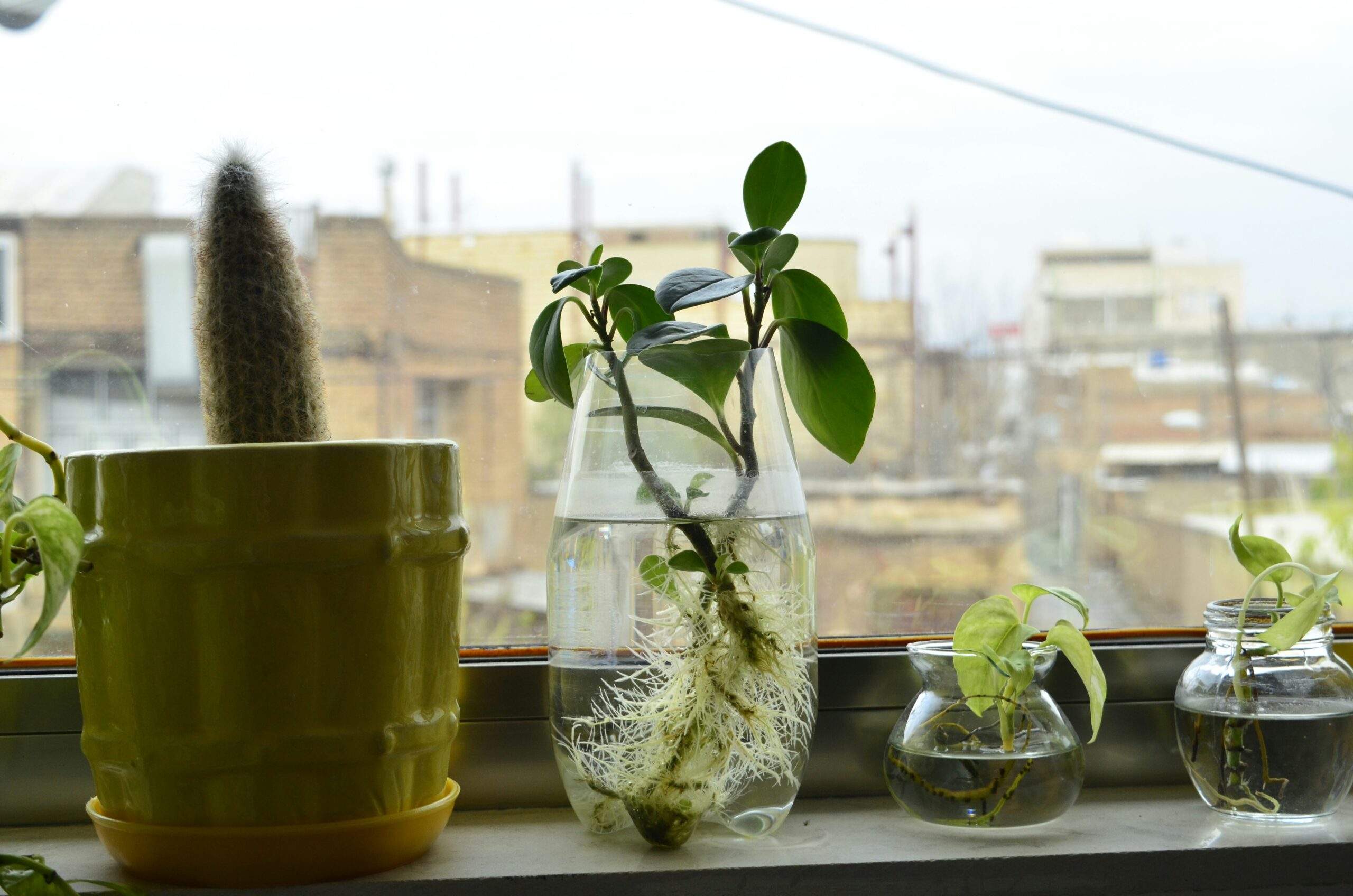
Water propagation involves placing a suitable cutting in water and letting it develop roots before potting it up. The setup is simple, and you get to watch the progress—which is reassuring when your other option is staring hopefully at soil.
- Start with a healthy cutting. For common vining houseplants such as pothos, include a viable stem node, where a leaf joins the stem. A leaf alone won’t grow a new pothos vine, however encouragingly you speak to it. Other plants may require different types of cuttings.
- Place it in clean water. Keep the node submerged and remove any leaves below the waterline. Submerged leaves can decay, making the water dirty and increasing the risk of rot.
- Choose bright, indirect light. This supports the cutting without exposing it to harsh sunlight, which can stress the leaves and heat the water.
- Maintain the water. Keep developing roots submerged and refresh the water regularly, generally once or twice a week. Clean the container if algae or residue builds up.
- Watch for progress and problems. Look for emerging roots and a firm stem. Mushy roots, a softening stem, or an unpleasant smell can signal rot. Root colour alone doesn’t tell the whole story.
The advantages: You need little equipment, can see roots developing, and can inspect the cutting without pulling it out of a growing medium.
The drawbacks: The water needs maintenance, some plants are better suited to other methods, and cuttings destined for potting mix will need care while their roots adjust. A jar gets them started; it doesn’t finish the job.
🌱 Thryve Tip: Mark the water level on your jar so you can spot when it drops. Developing roots need to stay submerged, even when life distracts you from your daily root inspection.
How Does Soil Propagation Work?
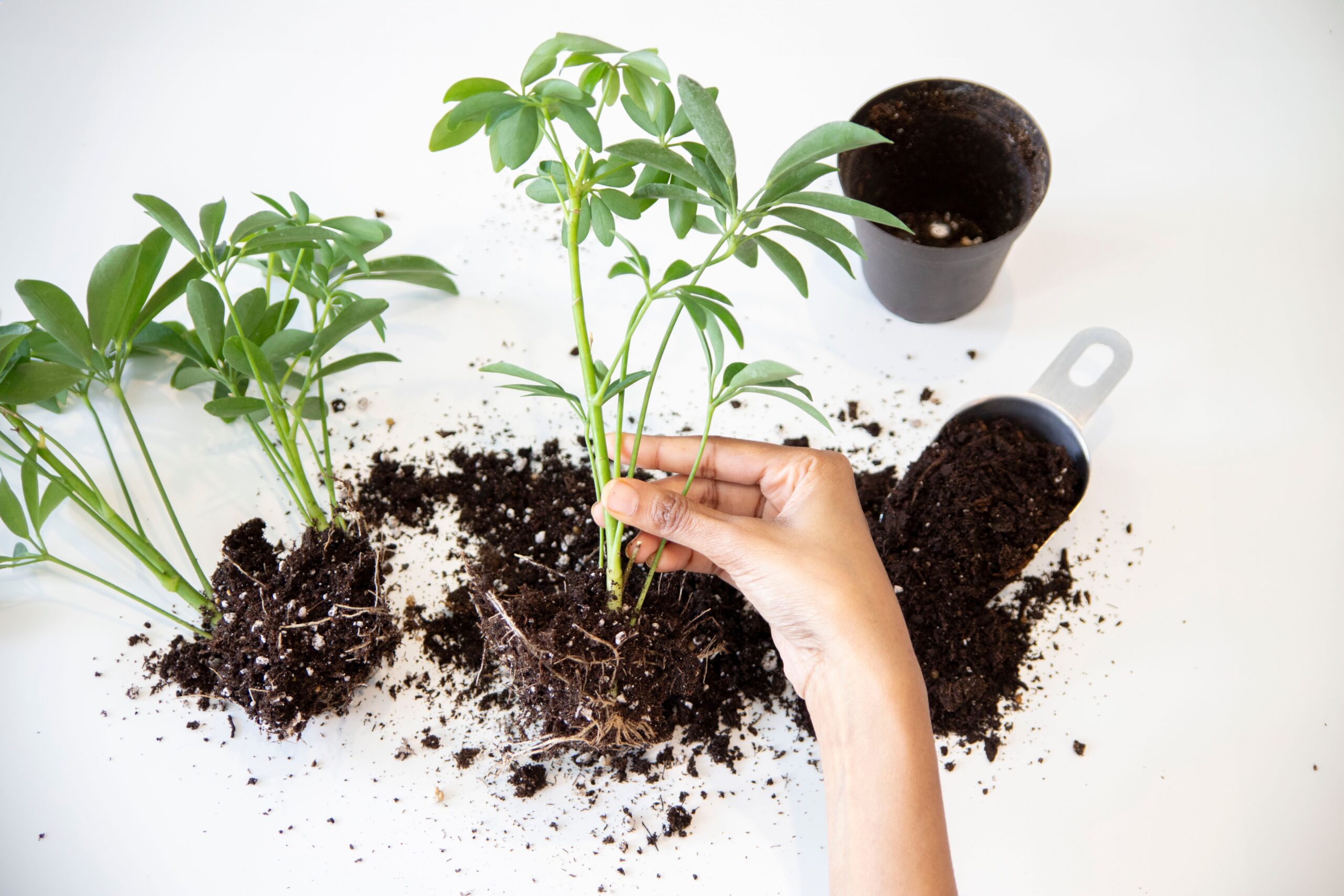
Soil propagation means rooting a cutting directly in a suitable potting or propagation mix. Despite the name, ordinary garden soil usually isn’t the best choice: it can be too dense and hold too much water. New roots need moisture and air, rather than a small mud-related crisis.
- Use a clean container with drainage holes. These let excess water escape, helping prevent the rooting mix from staying waterlogged. Choose a container that comfortably holds your cuttings without crowding them.
- Choose a light, airy rooting mix. A suitable propagation mix holds enough moisture to keep the cutting hydrated while allowing air around developing roots. Perlite is often added to improve aeration and drainage.
- Insert the cutting correctly. For common stem cuttings, remove lower leaves and place the appropriate node or stem section beneath the surface. Make a hole first, then gently firm the mix around the cutting. Preparation varies for leaf and succulent cuttings.
- Manage moisture and humidity. Keep the mix appropriately moist for the plant, rather than soaking wet. Many leafy cuttings benefit from a ventilated humidity cover while rooting; succulents need different care. Keep covered cuttings out of direct sun.
- Give roots time to develop. Avoid repeatedly pulling the cutting out to check. Roots do their best work without surprise inspections. Watch for sustained new growth, while remembering that a new leaf alone doesn’t prove the cutting is fully rooted.
The advantages: Roots develop in a solid medium from the beginning, and several cuttings can share a tray or pot without needing individual jars.
The drawbacks: Progress stays mostly hidden, and getting moisture right takes practice. Too wet can encourage rot; too dry can damage the cutting.
Rooting in a propagation mix also doesn’t necessarily mean the plant is in its final home. It may still need moving into an appropriate potting mix once established.
🌱 Thryve Tip: Label your pot with the plant name and cutting date. It helps you track progress without pulling the cutting out to check. Roots appreciate a little privacy.
Which Plants Can You Propagate in Water or Soil?
Some plants root well in either water or a suitable propagation mix. Others need a more particular setup. Start with the plant and the type of cutting you have—your collection of empty jars, impressive as it may be, shouldn’t make the decision.
The Royal Horticultural Society’s guide to houseplant cuttings describes both methods for suitable houseplants, including spider plant plantlets. NParks also lists pothos, mint, and basil among plants that can root in water.
| Plant or Cutting Type | Suitable Starting Choice | What to Know |
|---|---|---|
| Pothos | Water or propagation mix | Include a viable stem node. Water lets you watch roots develop; a suitable mix also works. |
| Tradescantia | Water or propagation mix | A beginner-friendly option for either method. Keep lower leaves above the water or mix. |
| Spider plant plantlets | Water or potting mix | These are baby plants, rather than stem cuttings. Keep the leafy crown above water when water-rooting. |
| Mint and basil | Water is an accessible option | Use healthy stem cuttings, remove submerged leaves, and pot up once adequately rooted. |
| Jade and other succulents | Usually a well-draining medium | Many need the cut surface to dry before planting. Preparation and watering depend on the species. |
| Woody or slow-rooting cuttings | Species-appropriate rooting medium | Check the plant’s requirements for humidity, temperature, and rooting hormone. |
These are starting choices, rather than strict rules. Both methods can succeed with suitable plants, but identical care won’t suit every cutting. A basil stem and a jade leaf have different ideas about how much moisture is reasonable.
Water Roots vs. Soil Roots: What Actually Matters?
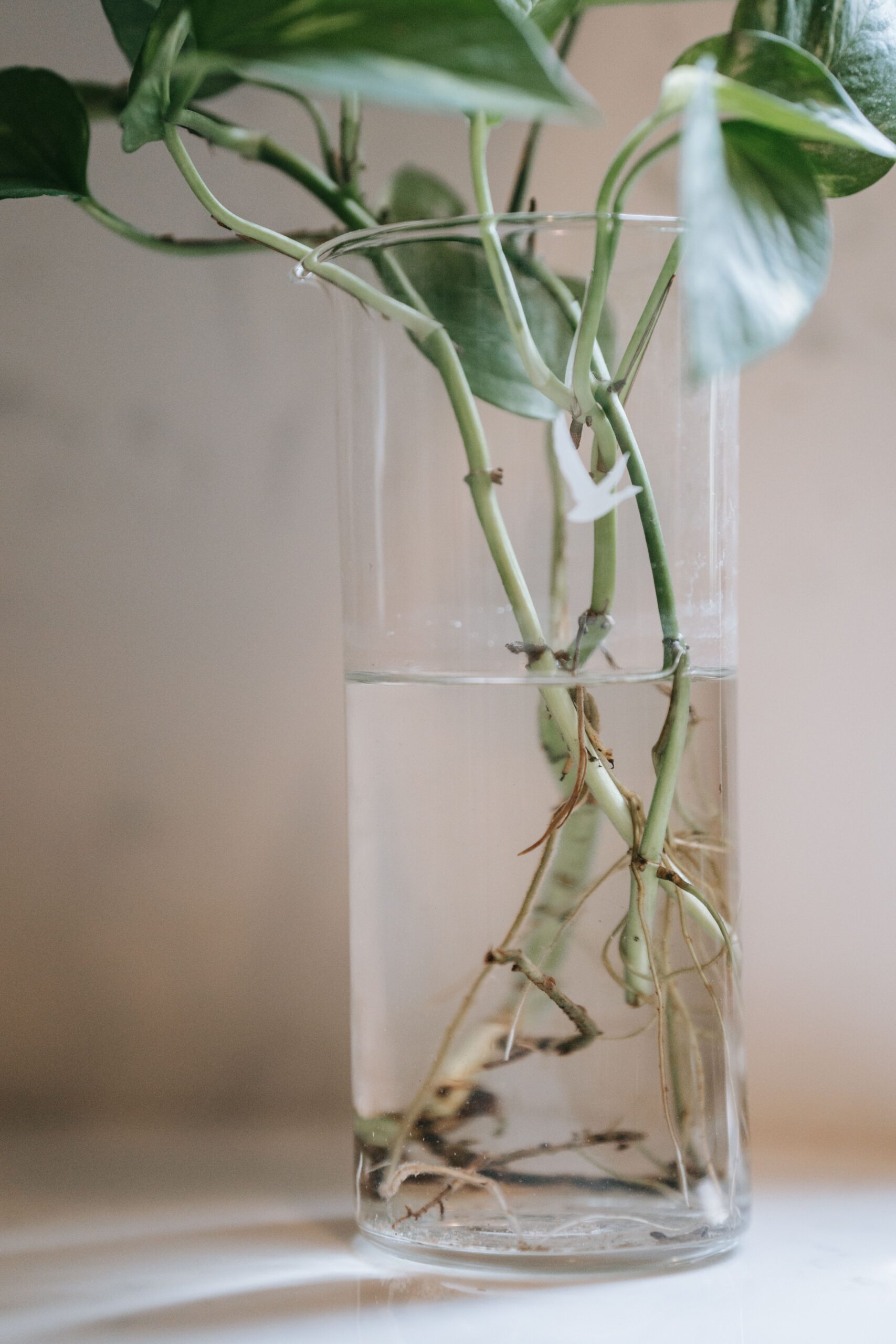
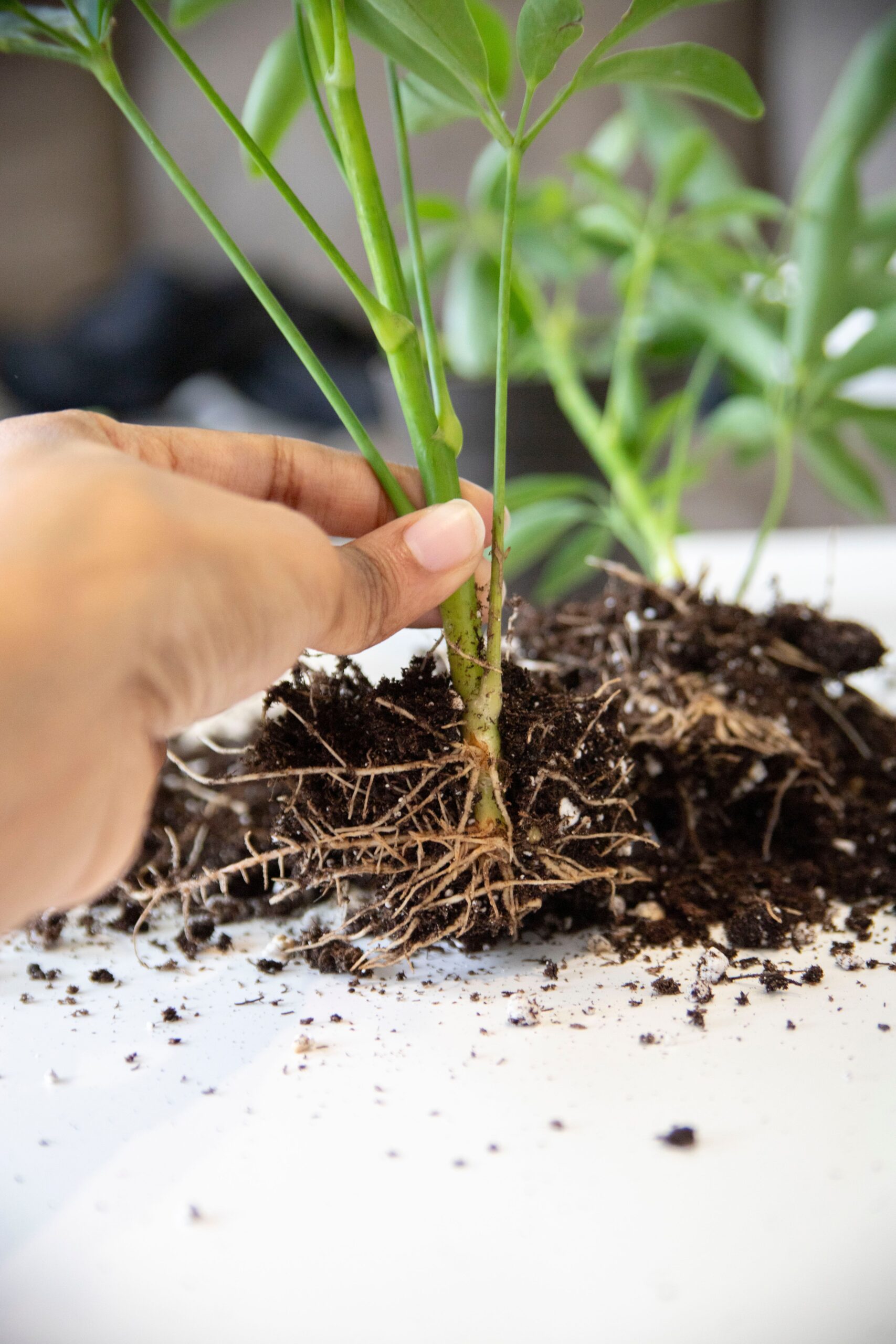
It’s tempting to call soil roots “strong” and water roots “weak,” but that oversimplifies things. Roots develop in response to their surroundings. What matters is whether they can support the plant where it will grow next.
- Water-rooted cuttings need an adjustment period. Moving into potting mix changes how moisture and air reach the roots. Some cuttings wilt while adjusting, so careful handling and consistent moisture help. It doesn’t mean all their existing roots will die.
- Soil-rooted cuttings avoid that particular transition. Their roots already develop in a solid medium. Still, a soggy or overly dry mix can damage them. Starting in soil isn’t a lifetime warranty.
- Long roots don’t tell the whole story. An impressive tangle in a jar doesn’t automatically mean a cutting is ready to thrive. Check that roots and the stem base feel firm rather than mushy; colour alone isn’t a reliable verdict.
- Establishment matters more than appearances. After potting, look for leaves that stay hydrated and sustained growth over time. One new leaf is encouraging, but it isn’t proof of a fully functioning root system.
The best propagation method produces roots that can support the plant in its next growing environment.
🌱 Thryve Tip: Take a photo every few days to compare root development and leaf condition. Gradual changes are easier to spot side by side than from memory, especially when you’ve checked the cutting twelve times today.
When Should You Transplant Water-Rooted Cuttings?
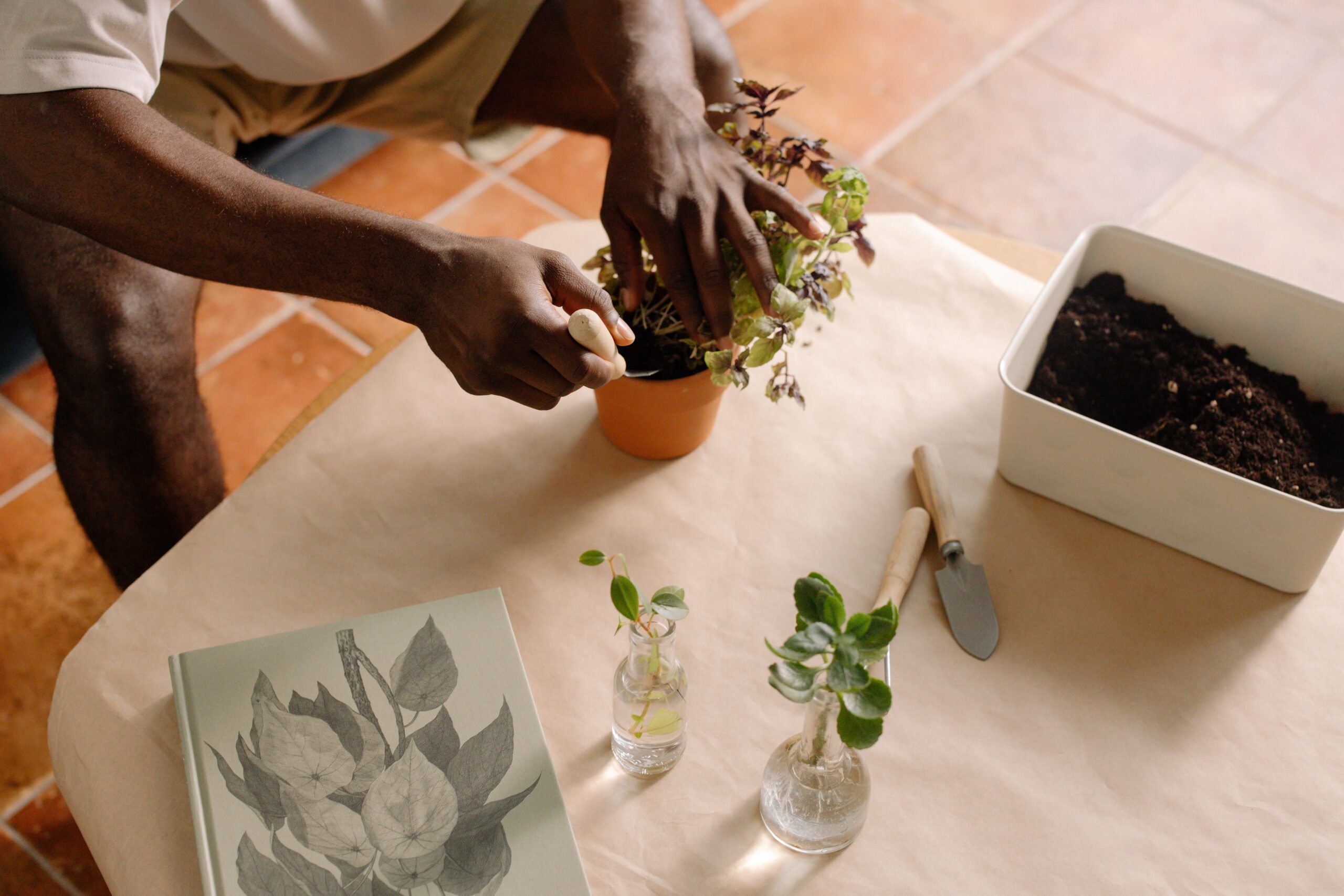
Transplant when your cutting has developed a healthy root system suitable for that plant—not simply because it has spent a certain number of weeks in a jar. Root-length recommendations vary, so there’s no universal measurement that makes every cutting ready. Plants remain inconveniently unaware of our deadlines.
Check That Your Cutting Is Ready
Before moving your cutting from water to potting mix, tick off these checks:
- Roots have grown beyond the first tiny nubs, with enough development for that plant to be potted up.
- Roots and the stem base feel firm, with no soft, mushy, or decaying tissue.
- The cutting looks healthy overall, without worsening wilt or signs of rot.
- A small pot with drainage holes is ready, with room for the roots.
- You have a suitable potting mix for the plant, lightly moistened before planting.
If the roots are only just appearing, give them more time. There’s no prize for being first out of the jar.
How to Move It Into Potting Mix
- Pre-moisten the mix. Aim for evenly moist, rather than dripping wet.
- Position the roots gently. Make enough space for them without forcing, tightly bending, or breaking them. Keep leaves above the mix.
- Settle and water. Gently firm the mix around the cutting, water it in, and let excess water drain.
- Provide bright, indirect light. Avoid harsh sun while the cutting adjusts.
- Check moisture regularly. Keep the mix appropriately moist during establishment, then adjust watering to the plant’s needs. Follow the conditions in the pot rather than a fixed calendar.
Some temporary wilting can accompany the move. However, worsening wilt, a softening stem, or mushy roots deserves investigation. Adding more water automatically can turn an adjustment problem into a rot problem, an upgrade nobody requested.
🌱 Thryve Tip: After transplanting, keep growing conditions steady while your cutting adjusts. Check moisture before watering again; a drooping leaf isn’t automatically asking for another drink.
Common Misconceptions About Water and Soil Propagation
“Water propagation is always faster”
Watching roots emerge makes progress feel quicker, but rooting speed depends on the plant and its conditions. The jar has no special powers.
“Soil-rooted cuttings won’t experience transplant stress”
They avoid the water-to-mix adjustment, but moving them to another pot or disturbing their roots can still cause stress.
“The longer the roots, the healthier the cutting”
Length is only part of the picture. Firm roots, healthy tissue, and continued growth after potting matter more.
“Any soil will do”
Dense garden soil can hold too much water. Choose a suitable rooting mix that balances moisture with airflow
Supporting Your Cutting Beyond the First Roots
Whether you choose water or soil propagation, the first roots are a beginning. The next job is helping them establish and support the growing plant. A cutting with roots is promising; a cutting that keeps growing is the result you’re after.
That means paying attention to the conditions around those roots. Appropriate moisture, oxygen, drainage, and light all matter, especially when a water-rooted cutting moves into potting mix. Choosing a method is useful. Giving it the right conditions is what makes that choice work.
This is where Thryve Roots fits into your ongoing plant-care routine.
Thryve Roots is an OMRI Listed® organic soil amendment designed to support healthy root development and the root-zone environment as part of a complete plant-care routine. It is a 0-0-0 NPK soil amendment, not a fertilizer or rooting hormone.
Whether you’re propagating in water or a growing medium, Thryve Roots can be incorporated into your propagation routine. Add it directly to propagation water or use it when watering cuttings in a growing medium, following the recommended application instructions.
Thryve Roots can also be used alongside a rooting hormone when appropriate. While rooting hormones encourage root initiation, Thryve Roots helps support the developing root system and its growing environment as the plant continues to establish.
Keep checking moisture, providing suitable light, and allowing excess water to drain. Those basics still matter, even with something helpful on the shelf.
🌱 Thryve Tip: Your propagation method gets the cutting started. Consistent root care helps it keep growing.
Frequently Asked Questions
Can you put plant cuttings straight into soil?
Yes, many suitable cuttings can root directly in a propagation mix. Prepare the cutting correctly, use a container with drainage, and manage moisture according to the plant. Dense garden soil usually isn’t the best starting point.
Is water propagation faster than soil propagation?
Not necessarily. Rooting speed depends on the species, temperature, light, and cutting condition. Water makes progress visible, but seeing roots first doesn’t guarantee faster establishment after potting.
Why is my cutting wilting after moving from water to soil?
The roots may be adjusting to the new conditions. Check moisture, drainage, and light before adding more water. Persistent or worsening wilting, especially with mushy tissue, may indicate rot or root damage.
Do I need rooting hormone for water or soil propagation?
Not always. Easy-rooting plants such as pothos often root without it, while some harder-to-root plants may benefit. Check whether the product is suitable for your plant and propagation method, and follow its instructions. More isn’t better here, and a rooting powder shouldn’t go into your propagation jar unless the directions specifically allow it.
Get Your FREE Plant Propagation Success Guide
Jar or pot? You now know what to consider. Put that knowledge into practice with your FREE Plant Propagation Success Guide, featuring step-by-step instructions, handy checklists, and practical tips for choosing a method, developing healthy roots, and caring for cuttings after transplanting.
Because that little cutting has more growing to do and you have enough jars already.
Healthy Plants Begin with Healthy Roots!

Be the first to comment