

Your plant looks thirsty. The leaves are drooping and the lower ones are turning yellow, so you water it. A few days later it looks worse. You water again, the soil stays wet, and the plant keeps sinking like it hasn’t had a drink in weeks.
That’s what makes root rot so frustrating. It hides below the soil and copies the signs of thirst, so the more you care, the faster it spreads.
Root rot can sometimes be managed successfully when caught early, and many plants do pull through. In this guide, you’ll learn the early warning signs, what brown roots really mean, what causes root rot, how to treat it step by step, whether your plant can be saved, and how to stop it from coming back.
What Is Root Rot?
Root rot is the slow decay of a plant’s roots. It starts when soil stays soggy for too long, the roots run out of oxygen, and water molds like Pythium and Phytophthora or fungi like Fusarium and Rhizoctonia move in. According to the University of Wisconsin–Madison Extension, these organisms thrive in soil that stays wet.
I know, it sounds backwards. But rotted roots are dead roots, and dead roots can’t move water up to the leaves. So the plant wilts in soil that’s still wet, and you, being a good plant parent, reach for the watering can. (We’ve all been there. No judgment.)
What Are the Early Warning Signs of Root Rot?
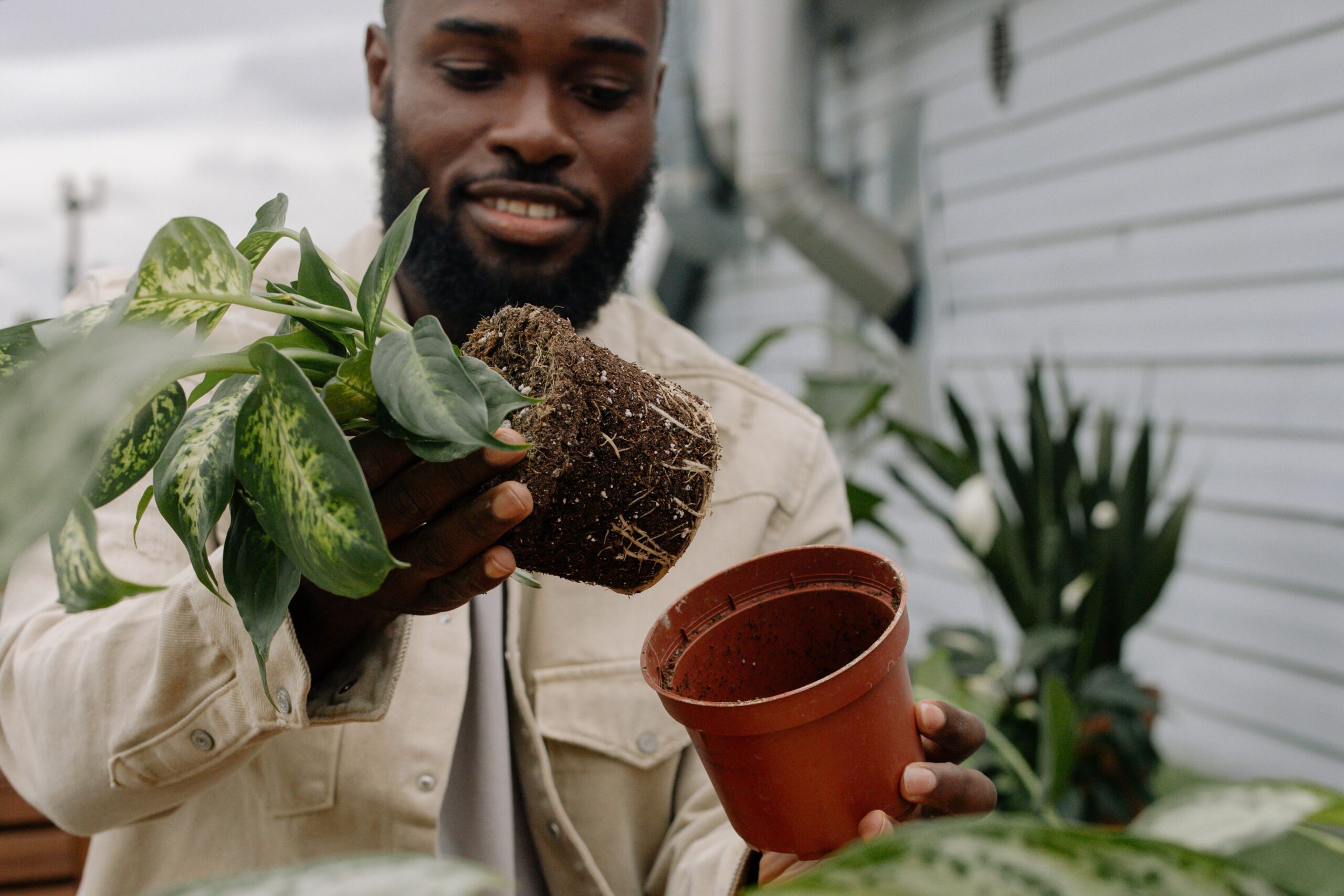
So if root rot hides underground, how do you catch it in time? The clearest early sign is a plant that wilts even though its soil is still damp. Here’s what else to watch for.
- Yellow lower leaves that turn soft rather than crispy
- Slow, small or pale new growth
- Soil that stays wet for days longer than it used to
- A sour smell, like a forgotten gym bag
- A soft, dark stem near the soil, which means the rot is advanced
A thirsty plant and a rotting plant can look annoyingly alike, so touch the soil. An underwatered plant wilts in dry soil and perks up after a drink. A plant with root rot wilts in wet soil and doesn’t bounce back.
🌱 Thryve Tip: Before you water a droopy plant, push your finger or a wooden skewer a couple of inches into the soil. If it comes out damp, put the watering can down and check the roots instead.
The only way to know for sure is to slide your plant out of its pot. And the first thing you’ll notice is the color of the roots.
What Do Brown Roots Mean?
Brown roots don’t always mean root rot. Healthy roots are usually firm and white, cream or light tan, but some plants naturally grow darker roots, and soil can stain them. Firm, springy brown roots are usually fine. Brown or black roots that feel mushy, fall apart when touched or smell sour have rotted.
Still not sure? Try the pull test. Gently pinch a root and slide your fingers down its length. If the outer layer slips off and leaves a thin, stringy thread, that root is rotted. The University of Maryland Extension points to this as a classic sign of Pythium root rot. For a photo-by-photo look, see our guide on what root rot looks like.
Once you’ve confirmed it, the next question is the big one. How did this happen when you were only trying to take good care of your plant?
What Causes Root Rot?
Almost every case comes back to roots sitting in too much water with too little air. And here’s the frustrating part. Root rot usually happens to plant parents who care a lot. These are the usual suspects.
Watering on a schedule. “Every Sunday” feels responsible, but your plant doesn’t own a calendar. A routine that worked in July can drown roots in December, when light is low and growth slows down.
Soil that holds water. Dense, compacted or old potting mix squeezes out the air roots need, and garden soil is even worse in a pot.
Pots that trap water. No drainage holes, a saucer left full or a decorative outer pot all leave water pooling around the roots. Rocks at the bottom don’t help either. The Wisconsin Extension explains that a gravel layer actually raises the wet zone higher in the pot.
A pot that’s too big. A small root system can’t drink from all that extra soil, so it stays wet for days.
Reused soil and dirty tools. The organisms behind root rot travel in old potting mix, unwashed pots and the same scissors you used on a sick plant.
Succulents, cacti, snake plants and anything in low light are most at risk. Once you know the cause, you know what to fix. Now let’s get to the part you’re probably here for.
How Do You Treat Root Rot?
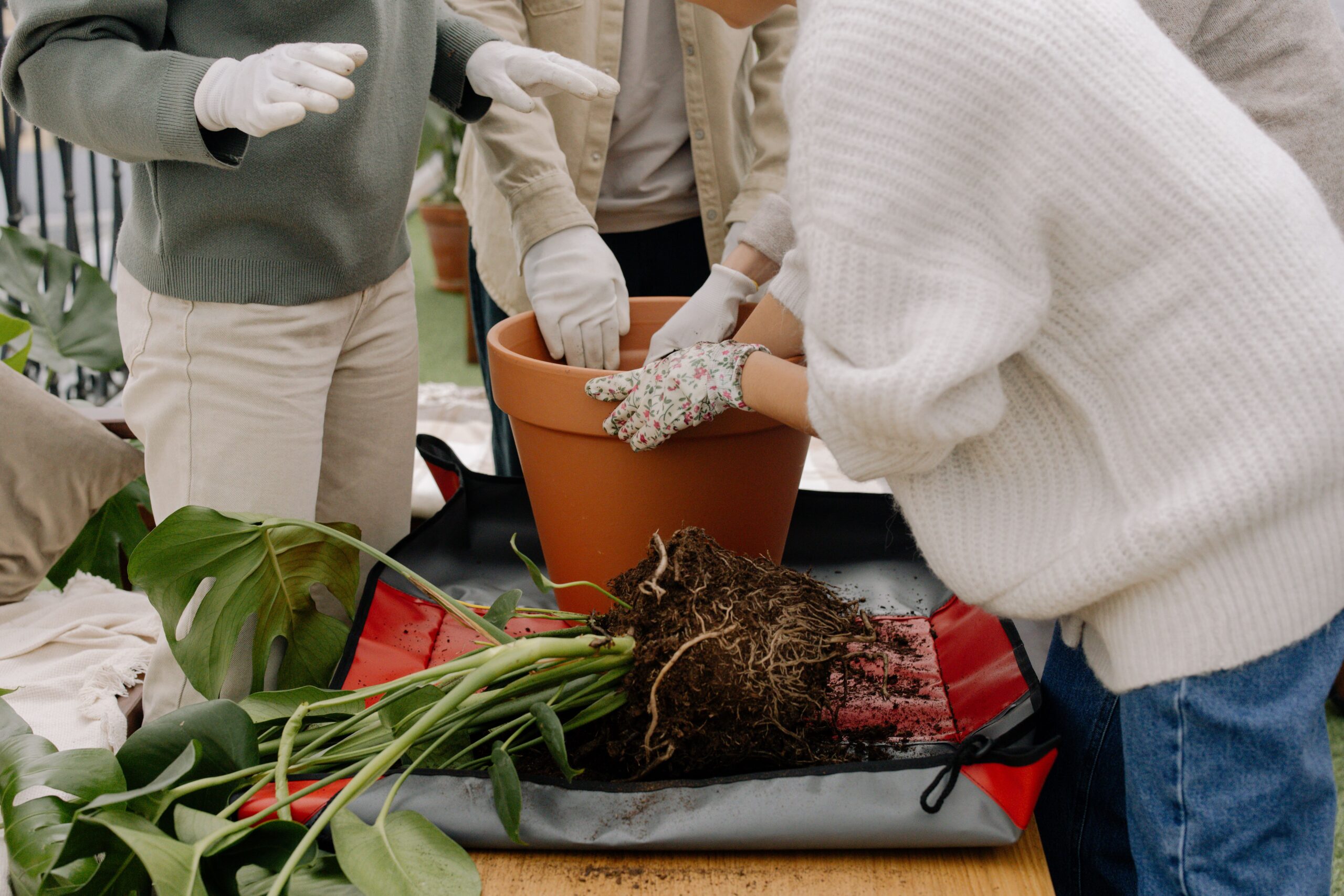
The best root rot treatment is to unpot the plant, gently remove enough old soil to see the roots and trim only the ones that are clearly rotting with sterilized shears. Then repot it in fresh, well-draining mix in a clean pot with drainage holes. When to water next depends on your plant and how quickly its soil dries out. For many houseplants, a good guide is to wait until the top inch or two of soil feels dry.
If your plant has more going on than its roots, our guide on how to save a dying plant covers the full rescue plan. Here, we’re focusing on the roots.
- Unpot your plant. Tip the pot sideways and ease the plant out without yanking the stems.
- Clear away the old soil. Gently loosen and remove enough of the old soil to see the roots clearly. Only rinse them if you need to, using lukewarm water and a light touch so you don’t damage the healthy ones. Then throw that old soil away.
- Trim only the rotting roots. Cut away just the roots that are clearly rotting, the ones that feel soft or mushy or fall apart when you touch them. Leave firm, healthy roots in place, even if they’re brown or darker than you expected. Wipe your blades with rubbing alcohol between cuts.
- Tidy up the leaves. Snip off any dead or badly damaged leaves, but leave the healthy green ones alone. There’s no need to cut back foliage that’s still doing well.
- Repot in fresh mix. Choose a pot that fits the roots you have left, often a smaller one, and add perlite or pumice if your mix feels heavy. Scrub a reused pot with hot, soapy water or a diluted bleach solution first.
- Go easy on aftercare. Water lightly, let it drain, keep the plant in bright, indirect light and skip fertilizer until you see new growth.
🌱 Thryve Tip: After repotting, check the soil before you water instead of going by the date on your calendar. That one small habit is what keeps root rot from coming back.
Can a Plant Recover From Root Rot?
Yes, as long as it still has enough firm, healthy roots and a solid stem at the base. Rotted roots don’t come back to life, though, so your plant has to grow new ones, and that takes time.
- Most roots were firm and pale. Your plant has a strong chance.
- About half were lost. Recovery is possible, just slower, and a few yellow leaves are normal.
- Only a few healthy roots are left, or the stem base is soft. The roots probably can’t be saved, but the plant might still be.
How Do You Prevent Root Rot From Coming Back?
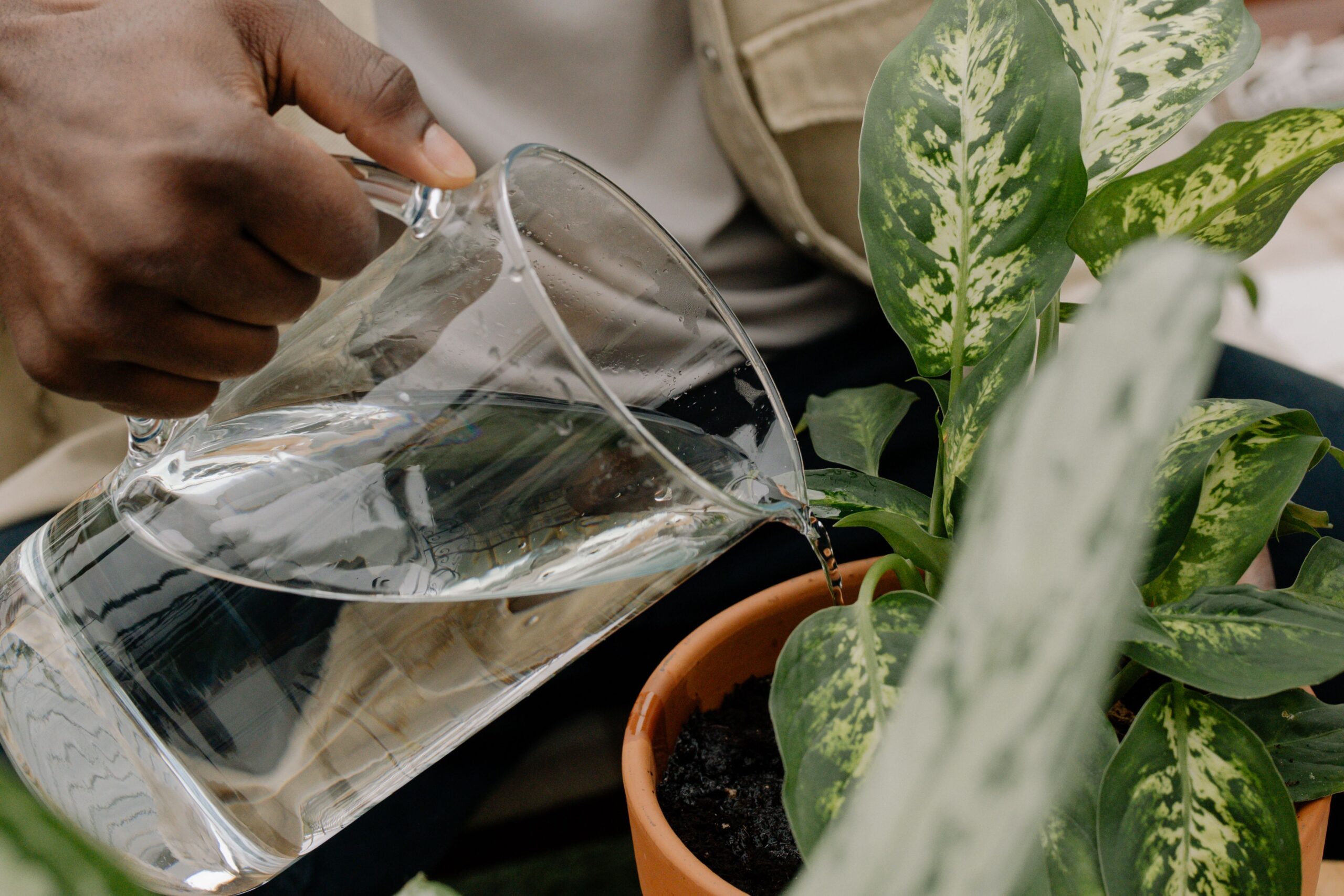
Root rot prevention comes down to giving roots the right balance of water and air. Water based on how the soil feels, not the calendar. Use pots with drainage holes and a well-draining potting mix, and keep the pot close in size to the root ball. Clean your tools and pots between plants so the organisms behind root rot can’t spread.
The good news is that preventing root rot is way easier than treating it. A few small habits make a huge difference, and none of them need fancy gear.
Check the soil before every watering. How dry it should get before the next drink depends on the type of plant and how quickly the soil dries where you keep it. For many houseplants, a good check is to push your finger an inch or two into the mix and wait if it still feels damp. Some plants like to dry out more than that, while others prefer to stay lightly moist. Most plants need a lot less water in winter, when light is low and growth slows, so expect to water less often in the colder months.
Learn your pot’s “dry” weight. Lift your pot right after watering, then again a few days later. Once you know how light it feels when it’s dry, you’ll know when your plant actually needs a drink without even touching the soil. It feels a little silly at first, but it really works.
Never let water sit. Always use pots with drainage holes, and empty saucers and decorative outer pots within about 15 to 30 minutes of watering. If you love a pot without holes, use it as a cover and keep your plant in a plastic nursery pot inside it.
Size up slowly. When it’s time to repot, go up just one size, usually an inch or two wider than the old pot. Bigger isn’t better here. And skip the gravel at the bottom.
Use the right mix. Choose a potting mix that suits your plant. If it tends to stay heavy and wet, mix in perlite, pumice or orchid bark to open it up. Refresh old, compacted mix every year or two, since it breaks down over time and stops draining well.
Keep things clean. Wipe your scissors with rubbing alcohol between plants, scrub old pots before reusing them, and never reuse soil from a plant that had root rot. When you bring a new plant home, slide it out of its pot and check the roots before it joins the rest of your collection.
Use self-watering pots with care. They can work well, as long as the roots sit above the water reservoir and you let it run dry between refills. Topping them up constantly keeps the soil soggy, which is exactly what we’re trying to avoid.
Get these habits right, and you’ve done most of the work. But healthy roots also need a healthy place to grow, especially after a rough patch like root rot.
Supporting Healthy Roots After Root Rot
Trimming away the rot is a beginning. The next job is helping your plant grow new roots that can carry it forward. A plant that survives treatment is promising, but a plant that keeps putting out healthy new growth is the result you’re after.
That means paying attention to the conditions around those new roots. The right moisture, oxygen, drainage and light all matter, especially in the weeks after repotting, when the root system is still small and fragile. Cutting out the rot fixes the damage. Giving the roots the right conditions is what keeps it from coming back.
This is where Thryve Roots fits into your ongoing plant-care routine.
Thryve Roots is an OMRI Listed® organic soil amendment designed to support healthy root development and the root-zone environment as part of a complete plant-care routine. It’s a 0-0-0 NPK soil amendment, not a fertilizer or a rooting hormone, and it isn’t a treatment for root rot. You’ll still need to trim the damaged roots, repot in fresh mix and fix your watering first.
Once your plant has settled into its new pot, you can add Thryve Roots to your regular watering, following the recommended application instructions. If you’ve taken cuttings from a plant that couldn’t be saved, you can add it straight to the propagation water, or use it when watering cuttings in a growing medium.
Thryve Roots can also be used alongside a rooting hormone when appropriate. While a rooting hormone encourages new roots to form on a cutting, Thryve Roots helps support the developing root system and its growing environment as the plant continues to establish.
Keep checking the soil before you water, give your plant bright, indirect light and always let excess water drain. Those basics matter most after root rot, even with something helpful on the shelf.
Frequently Asked Questions About Root Rot
Can root rot heal on its own?
Rotted roots can’t heal, because once a root is dead, it’s gone for good. If you catch the problem very early and the soil dries out quickly, your plant may recover by growing new roots. But if the soil stays wet, the rot keeps spreading. In most cases, trimming the rot and repotting is the only reliable fix.
How long does root rot take to kill a plant?
It depends on the plant and how wet the soil stays. In soggy soil, a plant can go from droopy to collapsing within a few weeks, and succulents decline fastest.
Does root rot stay in the soil?
Yes, it can. The water molds and fungi behind root rot can survive in old potting mix, so never reuse soil from a plant that had root rot.
Is it root rot or transplant shock?
Transplant shock shows up right after repotting, and the plant slowly perks up while its roots stay firm. Root rot keeps getting worse, the soil stays wet and the roots turn soft and brown.
Can root rot happen without overwatering?
Yes. You can water carefully and still end up with root rot if the water has nowhere to go. A pot without drainage holes, dense or old soil, a saucer that’s always full or a pot that’s far too big can all keep the roots wet for too long.
Want Roots That Bounce Back? Start With the Right Care
Rotted roots can’t be fixed, but new ones can grow strong. Our FREE Healthy Roots Handbook walks you through practical ways to support root development, improve the root environment, and give your plants what they need to recover and keep growing well.

Be the first to comment