

You water your plant. The soil seems fine. You’re doing everything right. So why are your leaves yellow even after watering?
Here’s the part most people miss: water doesn’t fix a plant that can’t absorb it.
If your plant leaves are turning yellow even after watering, the issue is usually happening below the surface in the roots and soil. When the soil is compacted, out of balance, or lacking biological activity, roots struggle to take in water and nutrients, no matter how consistent your routine is.
That’s why yellowing continues even when you’re doing everything “correct.”
The Most Common Reasons Leaves Stay Yellow Even After Watering
Overwatering (Yes, Even If Soil Looks Dry)
Overwatering is one of the most common and most misunderstood causes of yellow leaves.
The top layer of soil can dry out quickly, making it feel like the plant needs water. But deeper in the pot, moisture can still be trapped around the roots.
When that happens:
- Oxygen levels drop
- Roots become stressed
- Water and nutrient uptake slow down
And the plant starts showing it through:
- Soft yellow leaves
- Drooping or limp growth
- Leaves falling off easily
The key mistake: watering based on the surface, not the root zone. And if this keeps happening over time, it usually leads to something more serious: root damage.
Root Damage or Root Rot
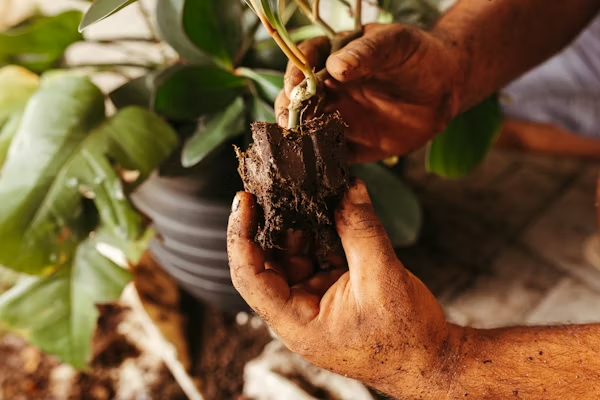
This is what usually comes after overwatering has been happening for a while.
At this point, it’s not just “too much water.” The roots themselves have started to weaken.
Healthy roots should be:
- Light in color
- Firm and slightly springy
But when they sit in wet soil too long, they become:
- Dark and soft
- Mushy or falling apart
- Unable to absorb water and nutrients properly
And that’s when yellowing continues even if you’re watering correctly.
Because here’s the truth: Damaged roots can’t recover just by adding more water.
Instead, the plant stays stuck in a low-oxygen, stressed state.
You’ll usually notice:
- Droopy plant even when the soil is moist
- Leaves turning yellow or falling off
- Growth slowing down or stopping
If you take the plant out of the pot, the roots will confirm if it’s:
- Healthy: light, firm, and orderless
- Damaged: dark, soft with a stale smell
But overwatering isn’t the only reason plants struggle. Sometimes the issue isn’t excess water, it’s what’s missing in the soil.
Nutrient Deficiency (Water Alone Isn’t Enough)
Water helps move nutrients. It doesn’t provide them.
So if your soil lacks nutrients or your plant can’t absorb them, yellow leaves will continue, no matter how often you water.
This is where most people get it wrong.
They assume: Yellow leaves = not enough water.
But in many cases: Yellow leaves = not enough nutrients
And the pattern of yellowing gives you clues:
- Bottom leaves turning yellow: often a nitrogen deficiency
- Yellow leaves with green veins: usually an iron deficiency
- Yellow tips on leaves: early sign of imbalance (often magnesium-related)
Here’s the deeper issue:
Even if nutrients are present, the plant still needs to absorb them.
If:
- Roots are stressed
- Soil lacks a healthy ecosystem
- pH is off
Then nutrients stay unavailable.
And sometimes, the real problem isn’t nutrients at all, it’s the soil structure itself.
Poor Drainage or Compact Soil
Sometimes the issue isn’t how much you’re watering. It’s the soil itself.
If the soil is too dense or compact, water can’t move through it properly. Instead of draining out, it just sits around the roots.
And roots don’t just need water, they need oxygen.
If this is something you’re dealing with, it’s worth understanding ‘how different soil problems affect root health’ in more detail, because in many cases, the soil structure is the real reason plants struggle.
When airflow is limited:
- Roots slow down
- Nutrient uptake drops
- Stress shows up as yellow leaves
This is especially common indoors, where:
- Heavy soil mixes are used
- Decorative pots don’t drain well
- Airflow in the soil is already limited
So even if your watering routine is fine, the structure may not be.
Even when nutrients are present, a hidden factor called soil pH can prevent plants from actually using them.
Incorrect Soil pH Blocking Nutrients
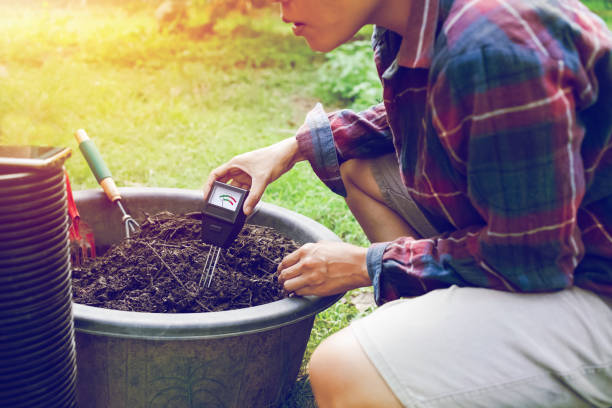
Measuring Soil pH
This is one of the most overlooked reasons yellowing continues.
Sometimes the soil already has nutrients, and you may even be feeding your plant regularly, but if the pH is off, the plant still can’t use them.
This is what’s called nutrient lockout.
Not a lack of nutrients, just a lack of access.
If soil becomes too acidic or too alkaline:
- Nutrients become harder to absorb
- Leaves turn yellow despite feeding
So it looks like a deficiency, but it’s actually an availability issue.
This becomes even more noticeable in citrus plants, which are less forgiving when soil conditions are off, something explained in more detail in Citrus Plant Leaves Turning Yellow? Here’s How to Fix It Fast.
Amending the soil helps restore balance by:
- Improving soil structure
- Adding organic matter
- Gently balancing pH
- Refreshing old depleted soil
Allowing nutrients to become available again, but even with perfect soil and nutrients, plants still need one more thing to function properly: light.
Lack of Sunlight
You can do everything perfectly, but without enough light, the plant can’t use all the inputs properly.
Everything slows down:
- Growth drops
- Energy decreases
- Nutrient use declines
Low light also means the plant uses less water, so soil stays wet longer creating the same stress as overwatering.
That’s why you’ll notice:
- Bottom leaves yellowing
- Slow or no new growth
- A dull, tired plant
How to Diagnose the Problem (Step-by-Step)
If your plant leaves are turning yellow even after watering, check these five things before changing your routine.
Step 1: Check the Soil Properly, Not Just the Surface
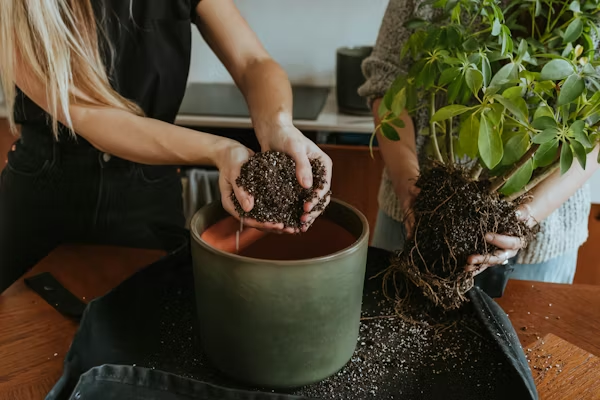
Don’t judge the soil by how it looks on top.
The surface can dry out quickly, while the soil underneath is still holding moisture. That’s why a plant can look like it needs water, even when the roots are already sitting in damp soil.
Instead, check a little deeper. Push your finger down a couple of inches, or use something like a skewer if that’s easier. If you can, have a look near the drainage holes too.
What you’re trying to understand is simple: is the soil evenly moist, still soggy underneath, completely dry, or drying unevenly?
Because what’s happening below the surface is what actually affects the roots.
Step 2: Inspect the Roots if the Plant Is Really Struggling
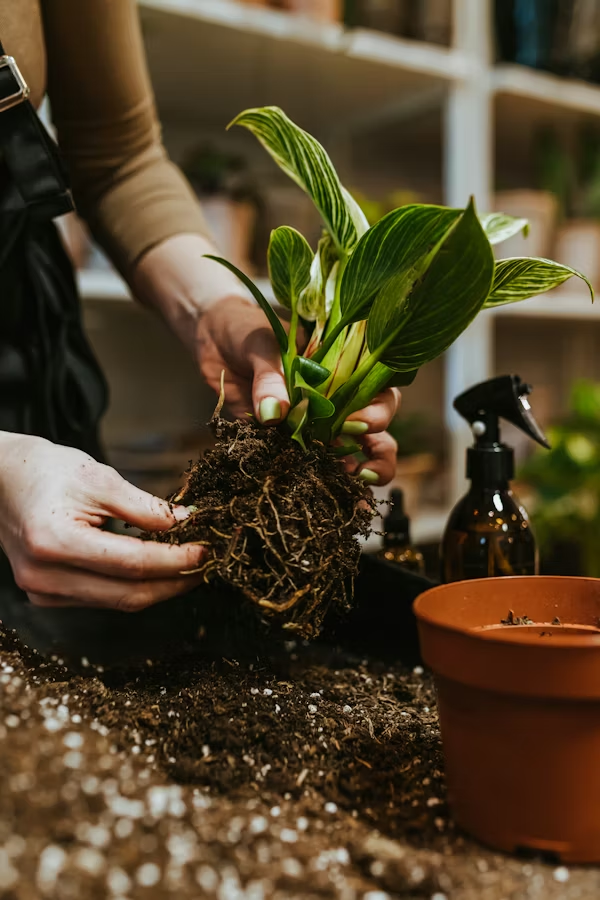
You do not need to yank every plant out of its pot over one yellow leaf. But if the plant keeps declining, stays droopy even after watering, or the soil seems to stay wet forever, gently sliding it out of the pot can save you a lot of confusion.
Healthy roots are usually firm and light in color. Damaged roots tend to look dark, soft, mushy, or stringy. If they smell sour or swampy, that is another clue that things have been too wet for too long.
Step 3: Look at the Yellowing Pattern
The pattern gives clues. Bottom leaves of plants turning yellow can point to ageing or nitrogen deficiency. Yellow tips on leaves of plants can suggest stress or imbalance. Yellow leaves with green veins often point to iron-related issues.
Basically, do not just ask, “Is it yellow?” Ask:
- Which leaves are yellow first?
- Is the whole leaf yellow or just the edges or tips?
- Are the leaves soft and droopy, or dry and crisp?
Step 4: Check Drainage
Look at the pot. Does it have proper drainage holes? Does water run through freely, or does it sit there like it has signed a long-term lease? Does the potting mix feel airy and loose, or heavy and compacted?
If water drains very slowly, the soil stays dense, or the pot has poor airflow, roots can remain stressed for days after watering.
Step 5: Check the Light
Ask yourself:
- Is the plant actually getting enough light for its needs?
- Is it tucked in a dark corner because it “looks nice there”?
- Has the season changed and reduced the light level?
Low light slows growth and keeps the soil wet for longer. That is a big reason for indoor plant leaves turning yellow, even when watering seems fine.
How to Fix Yellow Leaves That Don’t Improve After Watering
If plant leaves are turning yellow even after watering, try these quick fixes.
Fix the watering routine
Do not water just because the top looks dry. Check deeper in the soil first. If it is still damp underneath, wait. A lot of yellowing of plant leaves happens because the roots never get a chance to dry properly.
Improve drainage
If water sits in the pot for too long, roots stay stressed. Use a pot with drainage holes and a lighter, better-draining mix if the soil feels dense or compacted. This is a common reason for indoor plant leaves turning yellow.
Fix the Soil Before Adding More Fertilizer
Yellow leaves aren’t always a nutrient issue; they’re often a soil issue.
Plants can be surrounded by nutrients and still struggle if the soil isn’t healthy enough to make those nutrients available.
Compacted, poorly draining, or lifeless soil limits root function, which means water and nutrients can’t be absorbed properly, no matter how much fertilizer you add.
That’s where amending your soil comes in. By adding organic matter and improving soil structure, you help restore pH balance, boost microbial activity, and create an environment where roots can actually do their job.
Give it better light
Low light slows growth and keeps the soil wet for longer. If plant leaves are turning yellow even after watering, move the plant to a brighter spot if that plant can handle it.
Refresh old soil
If the potting mix is tired, compacted, or holding water badly, repotting into fresh soil or amending your current soil mix can help. Sometimes what causes yellowing of leaves is not your watering routine at all; it is the soil.

Be the first to comment