

You’ve probably searched this already ‘What does root rot look like?’ And most answers give you the same list: yellow leaves, drooping stems, mushy roots.
But here’s the problem.
Those signs usually show up after the damage has already started, so if you’re only looking at the surface, you’re already a step behind. Because root rot doesn’t just appear overnight, it builds up quietly below the soil.
And once you know what to actually look for (not just the obvious signs), it becomes a lot easier to catch it early and stop it from getting worse.
What Does Root Rot Look Like (And How to Confirm It)
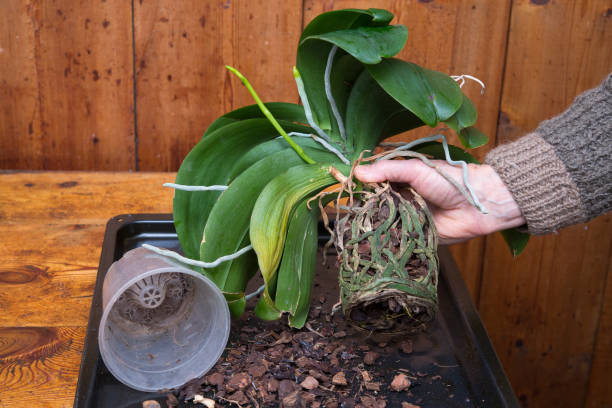
If you want to confirm root rot properly, you need to go a step further. Start by gently removing the plant from its pot. It might feel a bit extra, but this is the only way to actually see what’s going on below the surface.
Once the plant is out, check the roots closely; this is where the real signs of root rot show up.
Below the soil:
Roots turn brown, black, or gray instead of healthy white
They feel soft and mushy, not firm
They may break or fall apart easily
There’s often a sour, rotting smell
Above the soil:
Yellowing leaves
Drooping even when the soil is wet
Slow, weak, or no new growth
Sometimes, plants can even develop yellow leaves after watering, which usually points to deeper root or soil stress happening underneath the surface.
At first glance, it just looks like a struggling plant. But here’s the catch: these root rot symptoms are only the surface. Take a look at the soil too. If it feels heavy, compacted, or stays wet for too long, that’s usually where the problem started. Because root rot isn’t just about damaged roots, it’s a sign that the soil underneath hasn’t been supporting healthy root growth properly.
And not all signs of root rot show up the same way. Some appear early and are easy to miss, while others show up later when the damage is more obvious.
Early vs Advanced Root Rot
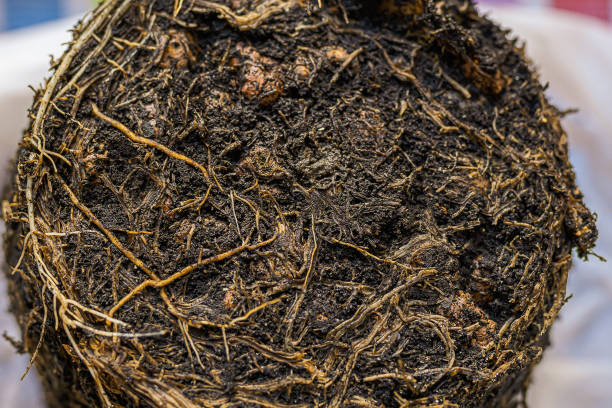
Not all root rot looks the same, and catching it early can save you a lot of stress (and your plant).
Early root rot
Roots may look slightly discolored (not bright white anymore) and feel a bit soft, but they’re not completely damaged yet. At this stage, the signs of root rot above the soil can still be mild.
Advanced root rot
Roots turn dark brown or black, feel mushy, may fall apart when touched, and often have a strong, unpleasant smell. You might also notice serious root rot symptoms like yellow leaves, drooping, and slow growth.
As plants don’t send early warnings like a notification, by the time you clearly notice signs of root rot above the soil, the damage has already been building below it for a while.
Why Root Rot Isn’t Just About Overwatering
Overwatering gets blamed for almost every case of root rot. And yes, water is involved, but it’s not the full story.
Here’s where it gets interesting.
Two people can follow the exact same watering routine for the same plant. One ends up with healthy roots, while the other starts noticing clear signs of root rot.
So what actually changed?
Not the watering; the soil.
In many cases, the real issue starts with underlying soil problems that affect drainage, airflow, and overall root function long before root rot becomes visible.
Because root rot doesn’t happen just because there’s water. It happens when the soil can’t drain properly, doesn’t have enough airflow, and fails to support healthy root growth at the same time.
When that balance is off, even a normal watering routine can lead to root rot symptoms like yellow leaves, drooping, and slow growth.
And that’s where most people miss the bigger picture.
Healthy soil isn’t just dirt sitting in a pot
It’s supposed to:
- Hold moisture without drowning the roots
- Keep air pockets so roots can breathe
- Support microbial life that protects root health
- Regulate water and nutrient flow naturally
Basically, it’s doing a full-time job underground.
And when that system is working?
Root rot doesn’t show up easily, even with regular watering.
So if you keep dealing with signs of root rot, it’s usually not just about how much you’re watering.
It’s your soil not draining properly, not allowing airflow, and not supporting healthy roots the way it should.
What Root Rot Is Actually Showing You

When you notice root rot symptoms like yellow leaves, drooping, or slow growth, it might seem like a simple plant issue. But these signs aren’t random.
They’re pointing to specific problems happening in the soil, especially around your roots.
And once you understand what those signals mean, root rot becomes much easier to diagnose and prevent.
Lack of Oxygen in the Root Zone
If your soil stays wet for too long, roots can’t breathe.
No airflow = stressed roots.
And no, roots don’t enjoy swimming 24/7.
Compacted or Poor Soil Structure
When soil is dense or compacted, water gets trapped, hence roots can’t spread, can’t grow, can’t function properly. It’s like being stuck in traffic underground.
Weak Soil Biology
Healthy soil isn’t just holding your plant in place; it’s a living system. It’s full of microbial activity that helps with nutrient absorption, protects roots, and keeps everything balanced.
When that system slows down or breaks, roots don’t get what they need. They become weaker, more stressed, and more prone to disease. And that’s where root rot starts to take hold. This is especially common in citrus plants, where stressed roots often show up as yellowing leaves long before people realize the soil underneath is struggling.
So those signs of root rot? They’re not just about watering habits. They’re a sign that your soil has lost its ability to support healthy root growth, and that’s the part that actually needs fixing.
How to Fix Root Rot (And Why It Keeps Coming Back)
Once you’ve confirmed root rot, the first step is straightforward. You take the plant out, trim the damaged roots, and repot it into fresh soil. That’s the usual advice and it’s not wrong. But here’s where most people get stuck.
The plant looks better for a bit… and then the same signs of root rot start showing up again. That’s because the visible damage wasn’t the real problem. The real problem was the soil environment that caused it in the first place.
If the soil is compacted, holds too much water, lacks airflow, or doesn’t have enough biological activity, roots will struggle again, no matter how many times you trim them. So fixing root rot properly means fixing the soil system, not just the roots.
That includes improving soil structure so excess water can drain properly, restoring airflow so roots can breathe, and rebuilding the biological activity that supports nutrient absorption and root health.
This is what healthy soil is supposed to handle in the background: moisture, airflow, and nutrient flow. When that system is weak, roots don’t recover properly, and root rot keeps coming back.
This is exactly where soil amendments come in.
Instead of adding more nutrients like a fertilizer, a good soil amendment focuses on bringing the soil back to life, like improving microbial activity, balancing moisture retention, and helping roots function the way they’re supposed to.
That’s the role of Thryve Roots™ Organic Root and Soil Booster.
It works by activating the soil ecosystem, not just feeding the plant. That means better nutrient uptake, improved water balance, and stronger root development over time. So when you use it after fixing root rot, you’re not just helping the plant recover, but you’re rebuilding the environment that prevents the problem from coming back in the first place. And that’s the difference between a temporary fix… and actually solving the issue.

Great post,Thanks for sharing