

Your plants looked great in spring. Growth was steady, leaves were healthy, and it finally felt like you had things figured out. Then summer hit, and suddenly things started going downhill: leaves drooped, soil dried out faster, and no matter how much you watered, it just didn’t seem to fix anything.
Most people blame the heat. But that’s not really the problem.
What’s actually happening is below the surface. When your soil system is weak, your roots can’t regulate water, nutrients, or stress properly, and that’s when plants start to struggle.
In this guide, we’ll break down how healthy roots handle summer stress, what summer stress really does to your plants, what’s happening at the root level, and how healthy soil helps plants stay stable, hydrated, and growing even in peak heat.
What “Summer Stress” Actually Means for Plants
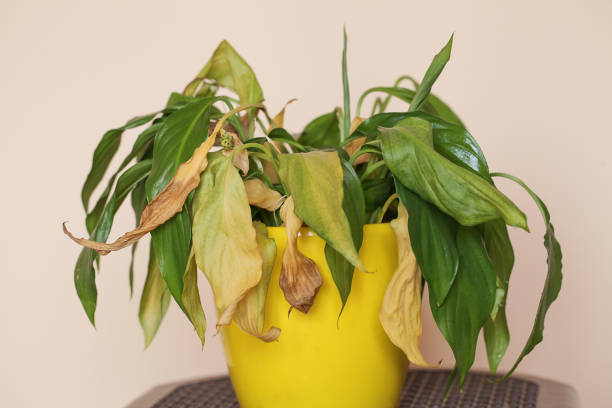
Summer stress isn’t just heat; it’s what heat triggers.
As temperatures rise:
- Water evaporates faster
- Soil moisture becomes inconsistent
- Roots deal with constant fluctuations
One day, the soil feels dry, so you water. The next day, it’s still holding moisture deeper down. That back-and-forth is what stresses the root zone.
This is also where problems like root rot symptoms can start showing up, especially when roots stay wet but still can’t take up water properly.
And once roots are stressed, everything else follows:
- Leaves droop even after watering
- Yellowing shows up randomly
- Growth slows during peak season
- Edges turn dry and crispy
It feels unpredictable, but it’s not. Summer just speeds everything up and exposes whatever wasn’t working in the soil to begin with.
What Happens Below the Soil
This is where most plant problems actually start.
Plants don’t directly “drink” water. Everything depends on the root zone, and that’s a combination of:
- Oxygen (air pockets in soil)
- Soil structure (how dense or loose it is)
- Microbial activity (living biology in soil)
When this system is working:
- Roots absorb water efficiently
- Nutrients are available and usable
- Moisture stays balanced
- Growth stays consistent
When it’s not:
- Compacted soil → low oxygen → roots can’t breathe
- Overwatering → stagnant moisture → poor uptake
- Low microbial activity → nutrients stay locked
That’s why watering more doesn’t fix the problem.
The water is there. The plant just can’t use it. That’s why some plants still struggle with leaves yellowing even after watering, because the issue is often poor uptake below the soil, not a lack of water on the surface.
Same with nutrients. Most soils already contain nutrients, but without microbes converting them into plant-available forms, they stay locked away. That’s when you see yellow leaves, slow growth, and stress, even when you’re “doing everything right.”
How Healthy Roots Handle Summer Stress in Peak Heat
Two plants can sit in the same heat and behave completely differently. The difference isn’t the weather. It’s the root system. That’s exactly why understanding how healthy roots handle summer stress matters, because the real difference shows up below the soil before it ever shows up on the leaves.
1. Stable Moisture (Not Constant Swings)
Healthy soil doesn’t just hold water, it regulates it.
- Retains moisture without staying soggy
- Drains excess water without drying too fast
- Keeps the root zone consistent
This prevents the constant dry → soak → stress cycle.
2. Consistent Nutrient Uptake
In summer, plants need more nutrients, not less.
But nutrient uptake depends on:
- Active root systems
- Microbial conversion in soil
Healthy soil keeps nutrients moving, so plants don’t suddenly:
- Turn yellow
- Stall in growth
- Show deficiency symptoms
3. Stronger Root Structure
Healthy roots don’t stay shallow.
They grow deeper and wider, which means:
- Better access to moisture
- Improved drought resistance
- Less dependency on surface watering
So when the top layer dries out, the plant isn’t immediately stressed.
4. Faster Recovery
Even healthy plants feel heat stress.
The difference is recovery.
When the root system is functioning:
- Water balance restores faster
- Growth resumes quicker
- Stress doesn’t linger
Healthy roots don’t prevent stress; they prevent long-term damage.
Why Most Plants Fail in Summer (And It’s Usually Not What You Think)
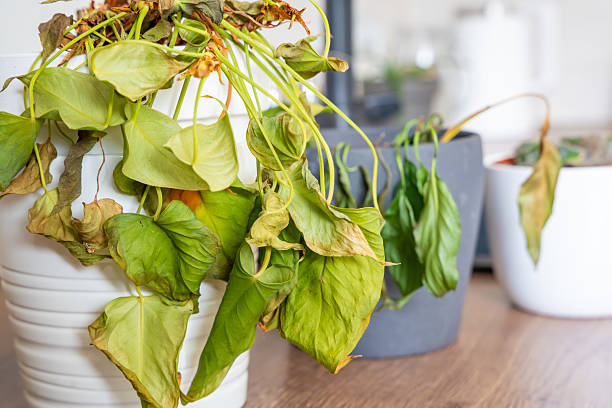
This is where things usually go wrong.
You see dry soil → you water more.
But here’s what’s actually happening:
- Topsoil dries quickly
- Root zone stays moist longer
- You add more water anyway
Now you have:
- Dry surface
- Soggy roots
- Low oxygen
- Poor root function
From there, everything stacks up:
- Overwatering symptoms (drooping, yellowing)
- Poor soil structure (compaction, uneven drainage)
- Low microbial activity (nutrients locked in soil)
So it looks like multiple problems:
- Watering issue
- Nutrient issue
- Heat stress
But they all point back to one thing:
Weak root function.
Most summer plant problems aren’t watering problems. They are root system problems showing up above ground.
How to Tell If Your Roots Are Struggling
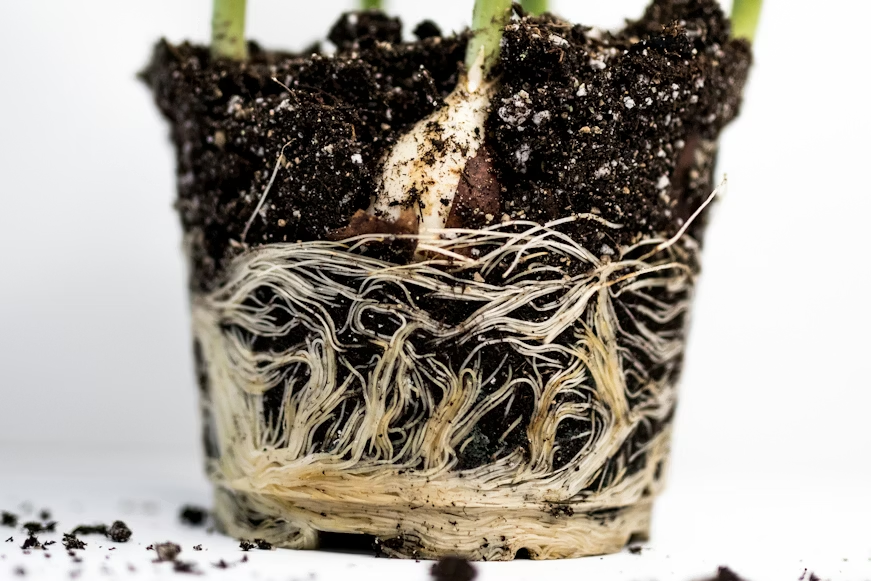
Root problems show up as patterns, not obvious signs.
Watch for this:
- Watering stops working
You water, nothing improves - Soil dries unevenly
Dry on top, damp underneath - Growth stalls in peak season
No new leaves, no progress - Leaves yellow or curl despite care
Usually, a nutrient uptake issue, not supply
This can be especially common in citrus plants, where citrus plant leaves turning yellow often points back to stress in the root zone, moisture balance, or nutrient availability.
If your plant isn’t responding the way it used to, it’s usually the root system.
How to Strengthen Roots Before and During Summer
If your plant always starts struggling the moment it gets hot, it’s not bad luck; it’s just that summer exposes whatever your soil couldn’t get away with before.
And the fix isn’t doing more; it’s doing a few things properly so your roots aren’t constantly playing catch-up.
- First, fix the soil itself
If it feels heavy, clumpy, or dries into a crust, roots are already at a disadvantage. Good soil should feel a bit loose, not dusty, not dense. That’s what allows roots to spread and actually access water instead of fighting the soil just to exist. If you’re seeing this often, it helps to understand the common soil problems affecting roots before trying to fix the plant from the top down. - Then look at how your soil holds water
You don’t want it drying out in a day, but you also don’t want it staying wet for too long. That middle ground is what keeps roots stable. If your plant keeps swinging between “dry” and “soaked,” that’s the cycle you need to break. - Don’t ignore what’s happening biologically
This is the part most people skip. If your soil is basically inactive, nutrients aren’t moving; they’re just sitting there. Healthy soil has life in it, and that’s what keeps nutrient uptake steady instead of hit-or-miss. - And stop chasing the top layer
The surface will always dry faster in summer; that’s normal. The mistake is reacting to it every time. What matters is deeper, where the roots are. Once you start paying attention to that instead, your watering gets a lot more consistent.
Where Thryve Roots Fits In (And Why It Actually Makes a Difference)
By this point, you’ve probably realized the issue isn’t that your plant needs “more,” it’s that your soil isn’t working properly.
And that’s exactly what Thryve Roots is built for. It’s not a fertilizer. It’s not adding nutrients into the soil. It’s a soil amendment that activates the soil system so your plant can actually use what’s already there.
Because most soils already contain nutrients, the problem is they’re not available. They’re locked up, especially in compacted or low-biological soils, and roots can’t access them efficiently, which is why you see yellowing, slow growth, and stress even when you’re feeding regularly.
Thryve Roots works by improving soil biology, root function, and moisture balance all at once.
- It improves soil moisture balance
So instead of dealing with dry topsoil and soggy roots, water moves more evenly through the soil, which helps prevent overwatering issues without you constantly adjusting your routine. - It activates nutrient availability
By supporting microbial activity, it helps convert existing nutrients into plant-available forms, which means better nutrient uptake without overfeeding. - It strengthens root systems
Healthier root zones mean better oxygen flow, more consistent conditions, and stronger roots that can handle heat stress rather than react to it. - It helps plants adapt to summer stress
Not by forcing growth, but by stabilizing the environment roots depend on, so plants stay more consistent even when temperatures fluctuate.
And that’s really the difference. You’re not feeding the plant directly; you’re fixing the system that feeds the plant.
Once that system is working, things don’t feel as reactive anymore, growth steadies out, yellowing reduces, watering becomes easier to manage, and summer stops feeling like a constant correction cycle.
It Was Never Just About Summer
Summer doesn’t create problems. It exposes them.
What looks like heat stress or nutrient issues is usually a root system that wasn’t stable to begin with.
- More water won’t fix the poor moisture balance
- More feeding won’t fix weak nutrient uptake
What works is building a soil system that holds up.
Healthy roots. Stable moisture. Active soil biology.
Fix the roots, and summer becomes manageable.

Be the first to comment