

You take a cutting, put it in water, and wait for those clean, healthy roots everyone talks about.
At first, it feels like it’s working. You check it every day like a proud plant parent. Maybe you even see a tiny root and think, this is it, I’ve figured propagation out.
Then things start getting weird.
The roots stop growing. They look thin, almost fragile. Or they turn brown and soft out of nowhere, and now you’re staring at your jar like… what just happened?
And the worst part is, you can’t even tell where it went wrong. Everything looked fine.
Propagation has a way of doing that. It looks simple on the surface, but most of the real action and most of the problems are happening below, where you can’t really see until it’s already too late.
If your cuttings aren’t turning into strong, healthy plants, there’s always a reason. And almost every time, that reason traces back to one thing: root health. Because at the end of the day, healthy plants begin with healthy roots, and propagation is where that foundation is either built or broken.
In this guide, we’re going to focus on the three problems that show up the most during propagation: weak roots that never properly develop, roots that start rotting, and figuring out the right time to move your cuttings to soil because most propagation issues usually come down to these.
Why Do My Plant Cuttings Fail to Grow Roots?
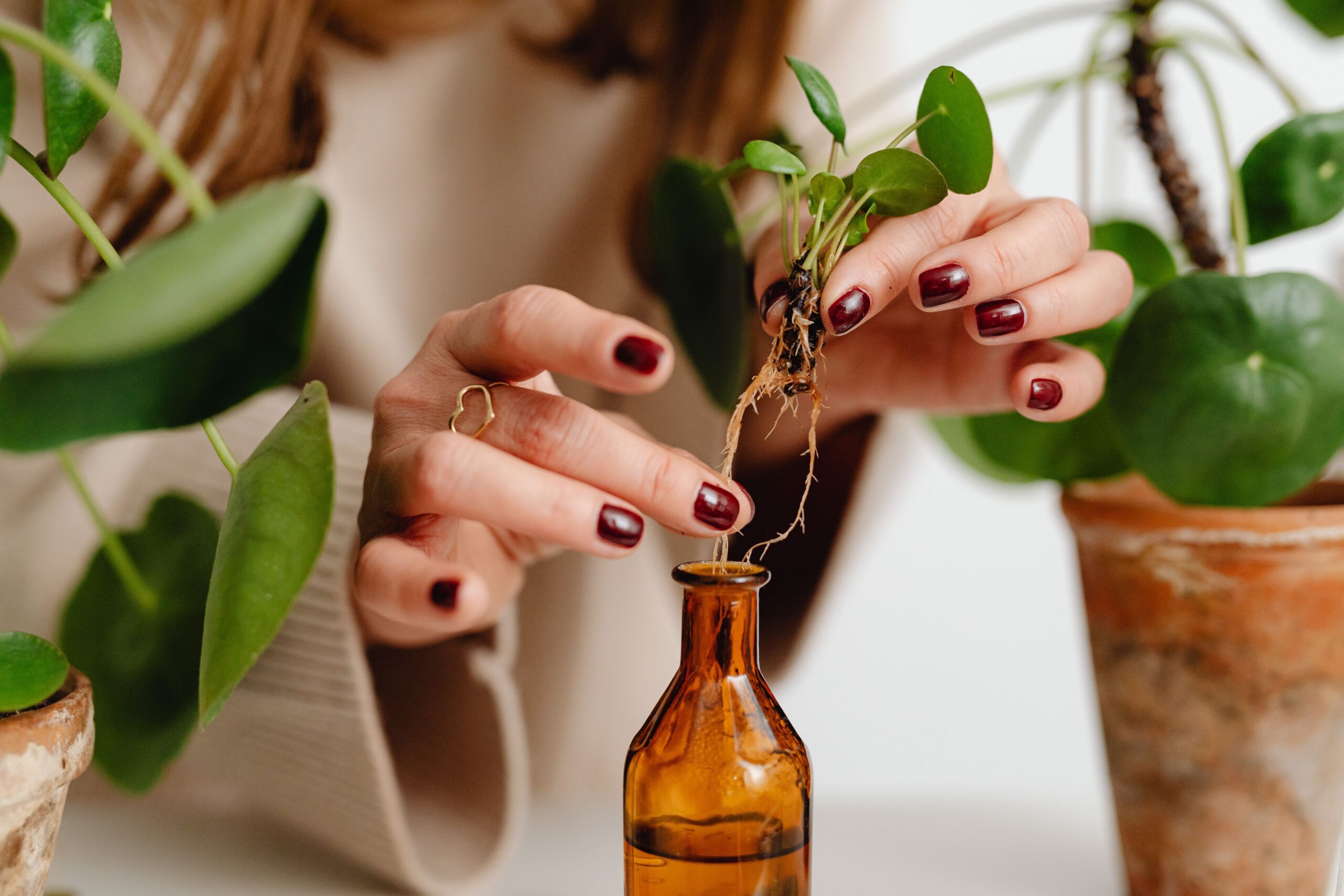
So your plant cuttings are in soil, and technically, they have roots.
But nothing is happening.
No new leaves. No real growth. Just a plant sitting there, alive but not exactly thriving. And when you check the roots, they’re there… just not impressive. Thin, weak, and not doing much.
This is one of the most common plant propagation problems. The cutting didn’t fail. It rooted. But those roots are too weak to actually support the plant above them, and weak roots almost always mean a weak plant.
Quick Root Check
Ask yourself these three questions:
✓ Are the roots thin and stringy rather than thick and branching?
✓ Has growth stalled even though the cutting is watered and getting light?
✓ Does the soil feel dense, heavy, or slow to dry out?
If you answered yes to most of these, your cutting’s roots likely need a better growing environment, not more time. If not, the issue may be elsewhere, like light or nutrients.
What’s actually going wrong
When you’re dealing with weak roots after propagation, the issue is rarely the plant itself. It’s the environment the roots are trying to grow in.
Many common soil problems affecting root growth, including compaction, poor drainage, and weak soil structure, can prevent new roots from spreading properly. Instead of branching out and building a strong root system, they stay small and restricted. It’s like trying to stretch out in a space that’s too tight. You can survive, but you’re not getting comfortable, and you’re definitely not growing.
Then there’s oxygen. Roots need it just as much as they need water. If the soil stays constantly wet, oxygen levels drop, and root development slows down. Instead of building a strong, healthy root system, your cutting ends up with roots that barely function.
Another major factor is poor soil biology. If the soil isn’t biologically active, roots struggle to absorb nutrients, even when those nutrients are technically present. So even though the roots exist, they’re not doing their job, and the whole plant feels it.
And sometimes the problem starts right at the beginning. If the cutting goes through stress during early propagation, that stress carries forward into root development. The roots form, but they never fully establish.
The takeaway: roots aren’t just a means to an end. They’re the plant’s lifeline. Everything you see above the soil, growth, color, resilience, is a direct reflection of how healthy the roots are below it.
🌱 Thryve Tip: Roots are a plant’s foundation. When roots are healthy, everything above the soil has a real chance to thrive.
How to Encourage Stronger Root Growth
If you want to propagate cuttings successfully in soil, you need to focus on root conditions first, not just the plant above.
- Start with the soil. If it feels heavy or stays wet for too long, that’s your first red flag. Roots need airflow, not just moisture.
- Water consistently, but don’t overdo it. Let the soil dry slightly between waterings so roots can access oxygen and grow stronger.
- Make sure your cutting is getting enough light. Without proper light, the plant doesn’t have the energy to invest in root development.
- Don’t settle for “some roots.” Focus on growing a genuinely healthy root system, because that root system is what determines whether your plant thrives or just survives.
Strong roots aren’t a nice-to-have in propagation. They’re the entire goal. Everything else follows from there.
Why Are the Roots Rotting on My Propagations?
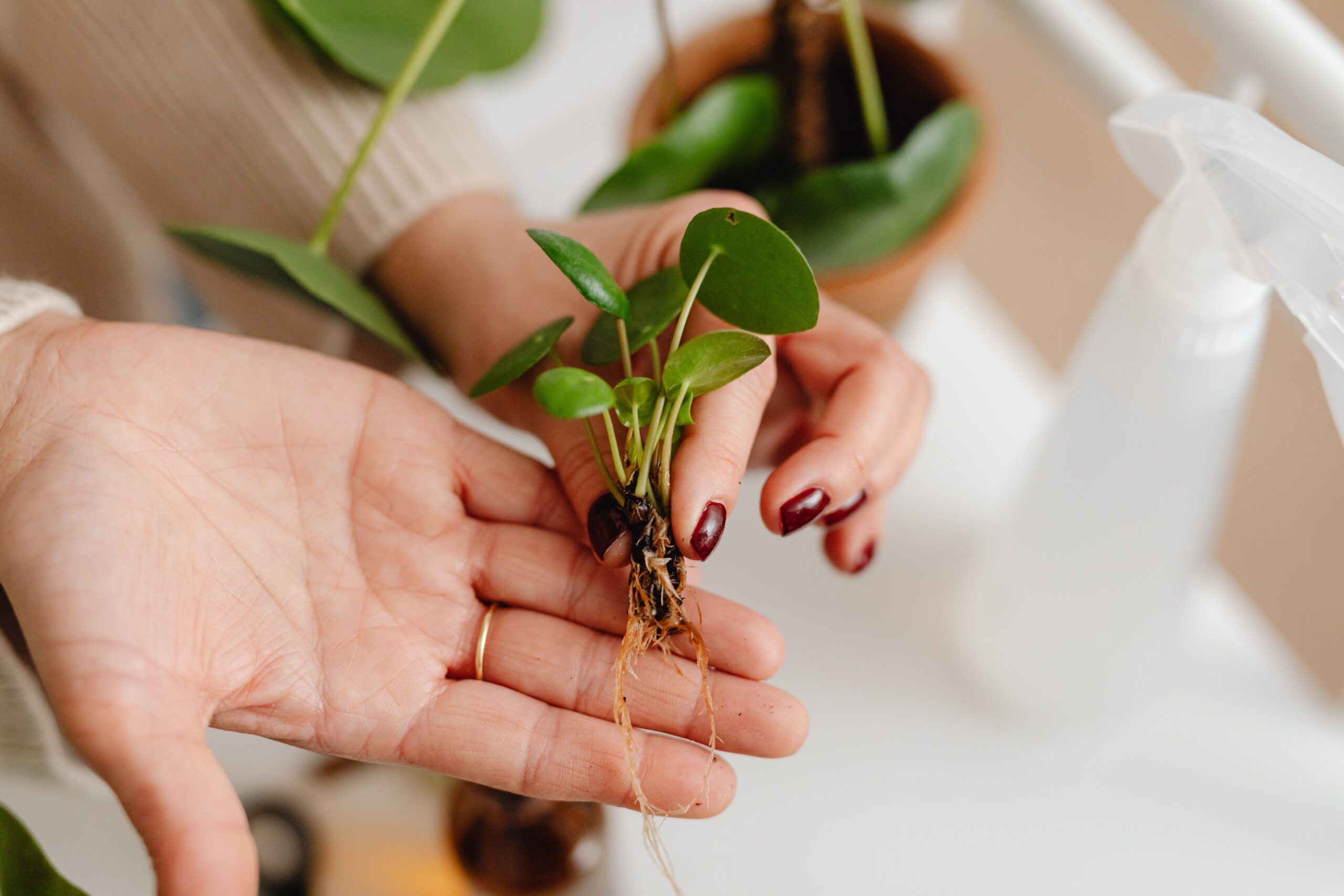
Your cutting is doing fine… until it suddenly isn’t.
You check one day and the roots look normal. Then out of nowhere, they’re brown, soft, and kind of falling apart. If you’re unsure whether you’re looking at normal discoloration or actual decay, these signs of root rot can help you confirm what’s happening below the surface.
So now you’re stuck thinking, why is my propagation rotting when I didn’t even change anything?
Here’s what’s actually happening below the surface.
What’s actually causing root rot?
In soil propagation, rot usually starts when the soil stays wet longer than it should.
If you’re trying to propagate plant clippings in soil without rotting, it’s easy to overdo the watering. You don’t want the cutting to dry out, so you keep the soil damp all the time. Sounds right, but it backfires.
When the soil never gets a chance to dry even slightly, it turns into a heavy, airless mess. The roots just sit there in it. They don’t grow properly. They weaken. And once they’re weak, rot sets in fast.
Soil type makes this worse. If it’s dense or compact, water doesn’t move through it. It just hangs around the roots, which is exactly what you don’t want.
Another issue is how the cutting was handled. If the cut wasn’t clean or the tool wasn’t sterile, bacteria are already there. Add constant moisture, and they spread quickly.
Crowding plays a role too. Too many cuttings in one pot keeps everything wetter and reduces airflow in the soil.
And then there’s light. If the cutting isn’t getting enough, it doesn’t have the energy to build strong roots. Weak roots sitting in wet soil don’t last long.
Root rot isn’t really a watering problem. It’s a root strength problem. Strong, healthy roots growing in a well-balanced environment can handle small mistakes. Weak roots in a poor environment can’t handle anything.
🌱 Thryve Tip: Strong roots don’t just support a plant. They protect it. A resilient root system is a plant’s best defense against stress of any kind.
How to Prevent Root Rot?
If you want to propagate plant clippings in soil without rotting, stop thinking in terms of “keep it wet” and start thinking “don’t let it stay wet.”
- Use soil that drains well. If water sits in it for too long, it’s the wrong mix.
- Water it, then leave it alone for a bit. Let the top layer dry slightly. That gap is what keeps the roots healthy.
- Make sure excess water can actually drain out. If it can’t, it stays trapped exactly where the roots are.
- Keep your tools clean when taking cuttings. It’s a small step, but it prevents a lot of problems.
- Don’t rush the process. If the cutting isn’t ready, planting it too early just makes it more likely to rot.
Prevention here really comes down to protecting root strength from day one. A resilient root system is your best defense against rot, better than any watering schedule.
When Should You Move Propagated Cuttings to Soil?
This is where people overthink it… and still get it wrong.
You’ve been propagating plants from cuttings, roots show up, and now you’re stuck trying to figure out when to transfer your cuttings to soil without killing the whole thing.
So here’s the straight answer: you move them when the roots are developed enough to handle soil. Not before, not way after. It’s a decision guided entirely by root readiness, not by how long the cutting has been sitting in water.
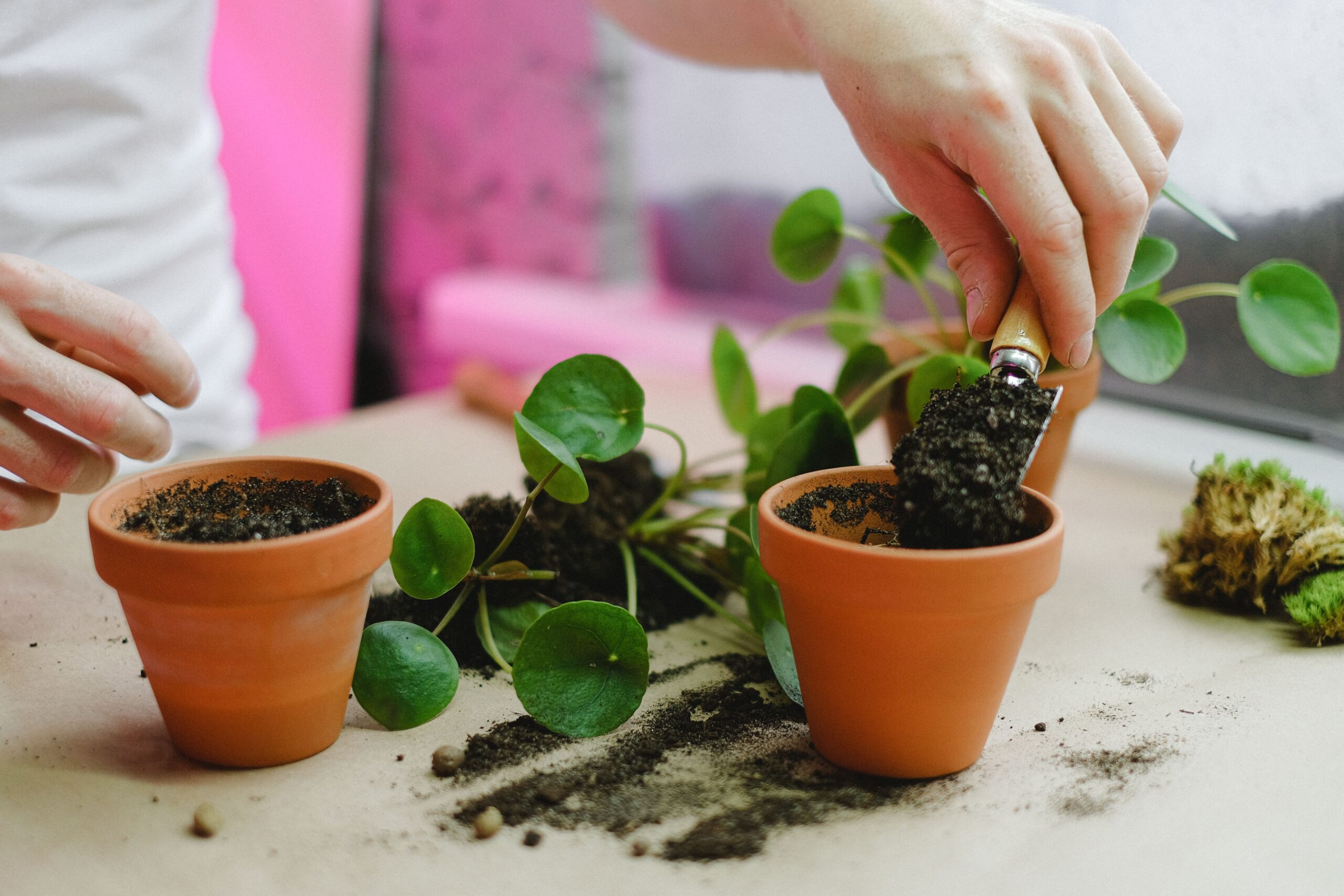
Signs your cuttings are actually ready
If you’re wondering when to transfer propagated plants to soil, stop looking for random signals and look at the roots.
You want:
- Roots around 2 to 4 inches long
- Secondary roots. Those tiny hair-like branches coming off the main roots
- Some new growth on top. Small leaves or buds starting to show
That’s your window.
If the roots are shorter than that, they’re not strong enough yet. If you wait way past that, they get too used to water and struggle to adjust to soil conditions.
That middle stage, when roots are developed but not overgrown, is exactly the right time to move the cutting to soil.
Mistakes to avoid during transplanting
The mistake isn’t just timing. It’s how you transfer your cuttings to soil.
Right after planting, the soil should be properly moist. Not lightly damp. Not soaked for days. Just evenly moist so those delicate water roots don’t dry out while they adjust.
For the first week or two, keep an eye on moisture more closely than usual. These roots aren’t used to drying out, so you can’t treat them like a fully established plant yet.
Pot size matters more than people think. A small pot with a drainage hole works better because it doesn’t hold excess water around the roots.
And light. Keep it bright but indirect. Too harsh and the plant stresses. Too low and it doesn’t have enough energy to establish.
If you get this part right, everything after it becomes easier. If you don’t, the cutting just sits there… or worse, starts declining for no obvious reason.
Why Root Health Matters
Every problem addressed here- weak roots, root rot, timing mistakes- comes back to the same root cause (literally): the health of the root system.
It’s easy to focus on what you can see: leaves, stems, new growth. But none of that happens without a strong foundation underneath. Roots are what allow a plant to take in water, absorb nutrients, and hold itself steady enough to grow. Once established, stronger roots also help plants handle summer stress and recover more consistently when growing conditions change. When roots are weak, stressed, or damaged, the plant above ground can only ever be as strong as what’s happening below it.
This is especially true during propagation, because a cutting is essentially starting from zero. It has no established root system to fall back on. Every root it grows in these early weeks becomes the foundation for its entire life as a plant. Get that foundation right, and the plant has what it needs to thrive for years. Get it wrong, and you’re fighting an uphill battle from the very beginning.
That’s really the core idea behind everything related to propagation: healthy plants begin with healthy roots. Not better light. Not more fertilizer. Roots, first.
🌱 Thryve Tip: Leaves tell you something is wrong. Roots tell you why.
Helping New Roots Thrive After Transplanting
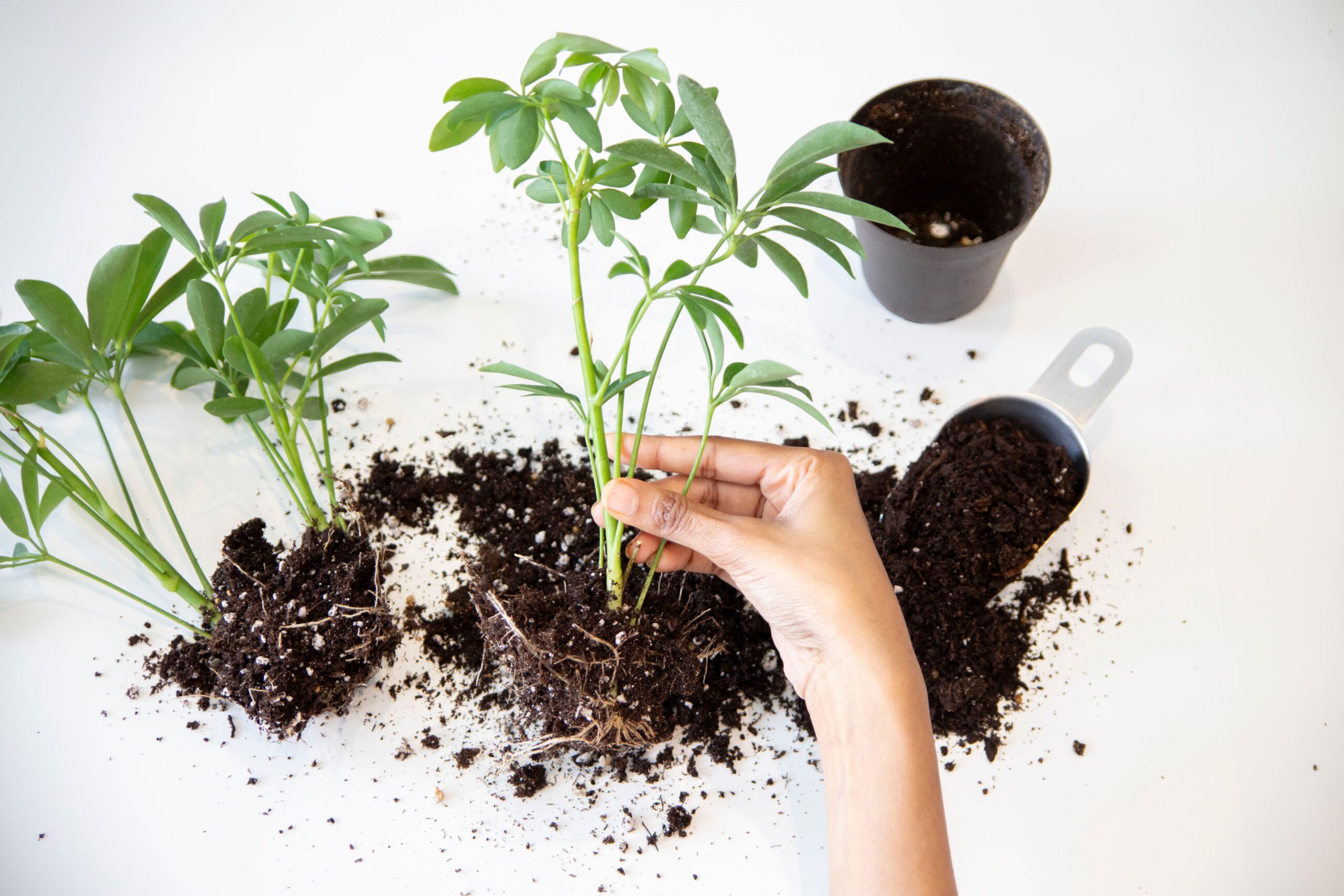
If your cuttings develop weak roots, slow growth, or root rot after you move them to soil, timing may only be part of the issue. The conditions around those roots also matter as they adjust and establish.
New roots need appropriate moisture, oxygen, and a suitable growing medium. A compact or waterlogged mix can make that transition harder, so start with good drainage, suitable light, and a consistent watering routine.
Thryve Roots is an OMRI Listed® organic soil amendment designed to support healthy root development and the root-zone environment as part of a complete plant-care routine. It is a 0-0-0 NPK soil amendment, not a fertilizer or rooting hormone, and can be used throughout the propagation process.
For water propagation, Thryve Roots can be added directly to the propagation water, following the product’s application instructions. For cuttings rooted in soil or another growing medium, it can be incorporated into the normal watering routine to help support the developing root system.
Thryve Roots can also be used alongside a rooting hormone when appropriate. The two serve different purposes: a rooting hormone encourages root initiation, while Thryve Roots supports the developing root system and its growing environment as the plant continues to establish.
As your cutting grows, continue providing the fundamentals of good root care—appropriate moisture, oxygen, light, drainage, and consistent growing conditions. These remain essential as the plant moves from rooting to established growth.
Healthy Root Propagation Checklist
Use this quick checklist to keep your cuttings on track from water to soil to established plant.
✓ Soil drains well and doesn’t stay wet for extended periods
✓ Watering allows the top layer to dry slightly between waterings, so roots can access oxygen
✓ Tools were clean and sterile when the cutting was taken
✓ The cutting is getting bright, indirect light
✓ The pot has a drainage hole and isn’t oversized for the cutting
✓ Roots are 2–4 inches long with visible secondary roots before transplanting
✓ Some new top growth is visible before the move to soil
✓ Moisture is monitored closely for the first 1–2 weeks after transplanting
✓ The soil is biologically active and structured to support root development
If you can check most of these off, your cutting’s roots are in a strong position to establish and thrive.
🌱 Thryve Tip: Investing in root health is never too early. The stronger the roots, the stronger the plant, at every stage of its life.
Frequently Asked Questions About Plant Propagation Problems
Why do my cuttings grow roots but never really grow after that?
This usually means the roots developed but stayed weak. The soil environment, whether it’s compaction, poor oxygen, or low biological activity, isn’t strong enough to support real growth, even though roots are technically present.
How long does it take for roots to grow strong enough for soil?
It varies by plant, but most cuttings are ready when roots are 2 to 4 inches long with visible secondary roots. This usually takes a few weeks, depending on light, water, and the type of plant.
Can overwatering really cause root rot even if the plant looks fine on top?
Yes. Root rot often starts below the surface long before it becomes visible above ground. By the time you notice yellow leaves even after watering, wilting, or stalled growth, the roots may already be damaged
Is it better to propagate in water or directly in soil?
Both can work, but soil propagation tends to build roots that are already adapted to soil conditions, which can make the eventual transition smoother. Water propagation is easier to monitor but requires more careful timing when moving to soil.
What does healthy root growth actually look like?
Healthy roots are typically white to light tan, firm to the touch, and branching, meaning you’ll see thinner secondary roots growing off the main root, not just one or two thick strands.
How do I know if my cutting’s roots are rotting versus just slow-growing?
Rotting roots are brown or black, soft, and often mushy or slimy. Slow-growing but healthy roots are usually pale and firm; they’re just taking their time.
Should I fertilize new cuttings?
Most new cuttings don’t need fertilizer right away. The priority in early propagation is root development, not feeding top growth. Focus on soil quality and root support first, and hold off on fertilizing until the root system is established.
What’s the biggest mistake people make when moving cuttings to soil?
Timing. Moving cuttings too early, before roots are established, or too late, after they’ve adapted too heavily to water, are the two most common reasons transplants struggle.
Can I fix weak roots after the cutting is already in soil?
Yes, in many cases. Improving the soil environment through better drainage, more airflow, and more biological activity, can help existing roots strengthen over time, even if they started out weak.
Does root health really affect how a plant performs long-term, not just during propagation?
Absolutely. A plant’s root system is the foundation for everything it does afterward: nutrient uptake, resilience to stress, and overall growth. Strong roots at the propagation stage set the tone for the plant’s entire life.
Get Your FREE Plant Propagation Success Guide
Turn that first cutting into a confident start. Get your FREE Plant Propagation Success Guide for step-by-step instructions, handy checklists, and practical tips to help you choose the right method, grow healthy roots, and care for your new plants.
Because that little cutting has a whole lot of growing ahead of it.
Healthy Plants Begin with Healthy Roots!

Be the first to comment