

You check your plant every morning, hoping for that tiny new leaf. Nothing. A week goes by, then a month, and it looks exactly the same. It’s not dying. It’s not yellow. It’s just… stuck.
So you water it a little more, move it to a brighter spot, maybe give it some plant food. Still nothing. And that’s the frustrating part. When a plant stops growing, it doesn’t tell you why, so you end up guessing, and every wrong guess can make things worse.
The good news is that a plant that’s stopped growing is almost always reacting to something specific. Often the answer is below the soil, in the roots, but light, the time of year and temperature can play just as big a part.
In this article, I’ll walk you through how to tell if your plant is resting or actually stuck, share a quick checklist to find what’s slowing it down, and break down the most common causes of slow plant growth, both in the roots and above the soil. Then I’ll show you simple steps to get it growing again.
Is It Normal for a Plant to Stop Growing?
Often, yes. Most houseplants slow down in fall and winter, many pause for a few weeks after you bring them home, and some species grow slowly all year. If your plant stays firm and green, it’s probably fine. If it also yellows, wilts, or drops leaves, something is wrong.
Winter is the most common cause of slow plant growth. According to the University of Maryland Extension, reduced light and temperature in winter result in reduced growth, and it recommends fertilizing only from March through September. No change since October? Shorter days are the likely reason.
New plants often stall too. Most are grown in greenhouses with strong light and high humidity, so they may spend their first few weeks adjusting to your home instead of growing.
Some plants take their time. Cacti, ponytail palms, and dracaenas stay slow even in good conditions, while pothos and monsteras change month to month. Judge yours by its own pace, not your neighbor’s pothos.
If it has stalled through spring and summer, or its leaves are changing, use the checklist below to find the cause.
What’s Stopping Your Plant From Growing? A Quick Checklist
Once you’ve ruled out winter and settling in, the cause usually shows up somewhere on the plant, the soil, or the pot. Start with what you can see, match it to the likely cause below, and fix that first.
| What you see | Likely cause | First move |
|---|---|---|
| Leaning toward the window, smaller or paler new leaves | Not enough light | Move it closer to a bright window |
| Roots poking out of the drainage holes, soil dries fast | Root-bound | Repot one size up |
| Soil stays wet for days, yellowing lower leaves | Overwatering or poor drainage | Let it dry out and check the roots |
| Dry soil pulling away from the pot, crispy tips | Underwatering | Water deeply until it drains |
| White crust on the soil or pot rim, brown leaf tips | Salt buildup | Flush the soil with water if the pot drains well |
| Same soil for over a year, pale leaves | Depleted potting mix | Refresh the mix |
| Sticky leaves, webbing, tiny specks | Pests | Treat them before expecting new growth |
Light is the one cause on this list that lives above the soil, and together with the season and temperature, it can slow a plant down all on its own. Most of the other rows point to the same place, the roots. That’s why root health is such a big part of the answer to slow plant growth.
Why Healthy Roots Matter So Much for Plant Growth
Healthy roots play a big part in keeping a plant growing. Leaves make energy from light, but every new leaf also needs water and nutrients, and the only way those reach the plant is through roots that are working properly. When the roots struggle, growth usually slows or stops, even if the leaves still look fine.
Most of that work happens at the very ends of the roots, the growing tips, where a plant takes in most of its water. So when those tips have no room to grow, or they’re sitting in soggy soil, your plant loses its main way to drink.
Roots also need air. Without it, they get damaged, stop absorbing water and nutrients, and new growth slows to almost nothing, as the University of Maine Extension explains. That’s why a good potting mix includes perlite, which keeps small air pockets open around the roots.
Want the full picture of what healthy roots need? Our complete guide to healthy roots covers it. For now, let’s look at the five common causes that most often leave a plant not growing.
Why Is My Plant Not Growing? 5 Common Causes to Check
Most of the time, a plant not growing comes down to one of these five things. Four of them happen around the roots, and one is all about light. Some are easy to spot, and others take a quick look under the soil. Start with the first one, because it’s the most common reason a healthy-looking plant stops putting out new leaves.
1. Your Plant Is Root-Bound
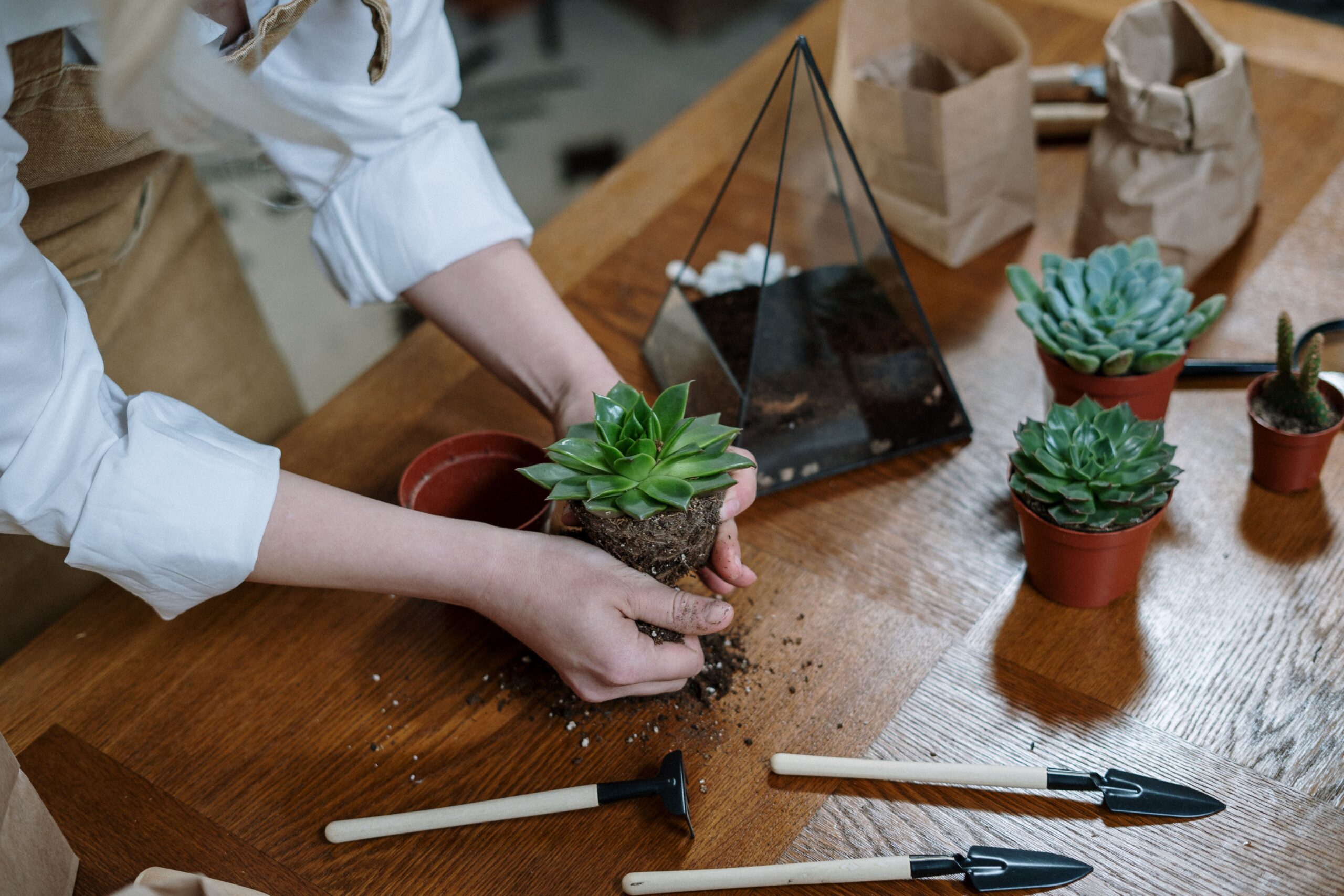
A root-bound plant has filled its pot so completely that the roots start circling the edges, with very little soil left. There’s no room for new roots, and not enough soil to hold water and nutrients, so growth stalls.
You’ll usually notice three signs. The soil dries out much faster than it used to, roots poke out of the drainage holes, and the plant has stopped growing even with regular care in spring and summer. Watering can also get strange. The water rushes straight through the pot and out the bottom, while the center of the root ball stays dry.
The fix is to gently loosen the circling roots and move the plant into a pot one size bigger. Bigger isn’t always better, though, which brings us to the soil.
2. The Soil Is Old, Compacted, or Draining Poorly
Potting mix doesn’t last forever. Over time it breaks down, packs tighter, holds more water, and drains poorly. A plant that has sat in the same mix for a few years has also used up most of the nutrients in it.
Pot size matters here too. A pot that’s too big leaves a lot of wet soil sitting around a small root system, and those roots can’t use it all. A pot without drainage holes is even worse, because extra water and salts have nowhere to go. And garden soil doesn’t belong in a pot at all. Stick with a soilless potting mix made for containers.
Fresh, airy mix fixes a lot. But even the best soil can’t help if the watering is off.
3. Your Plant Is Getting Too Much or Too Little Water
Both overwatering and underwatering can stop growth. Soggy soil cuts off the oxygen roots need, so they can’t take up water or nutrients. Bone-dry soil sends the plant into survival mode, where it holds on to what it has instead of growing.
Skip the watering schedule and water based on what your plant needs. Some plants like their soil to dry out quite a bit between drinks, while others prefer it to stay lightly moist. For many common houseplants, watering when the top inch or so feels dry works well. When you do water, water thoroughly until it drains from the bottom. In winter, when growth slows, the soil will take longer to dry, so you’ll water less often.
If the roots you find are mushy or falling apart instead of firm and intact, you may be dealing with root rot. Color alone doesn’t tell you much, since healthy roots can be white, tan or even naturally brown. Our guide on root rot treatment shows you how to spot it and save your plant.
4. The Roots Can’t Take Up Nutrients
When a plant stops growing, it’s tempting to reach for fertilizer. But nutrients only help if the roots can take them in, and crowded, waterlogged, or damaged roots can’t. Feeding a plant in that state usually does nothing, or makes things worse.
Too much fertilizer is a common problem in itself. Extra salts build up in the soil and show up as a white crust on the surface or the pot rim, often with brown leaf tips. That buildup can damage roots and slow growth even more. To clear it, run plenty of plain water through the pot a few times, but only if the pot drains well, so the water and salts can flow out the bottom. After that, feed at half strength and only while your plant is actively growing.
Nutrients and water are the supplies. Light is the energy that puts them to work.
5. It Isn’t Getting Enough Light
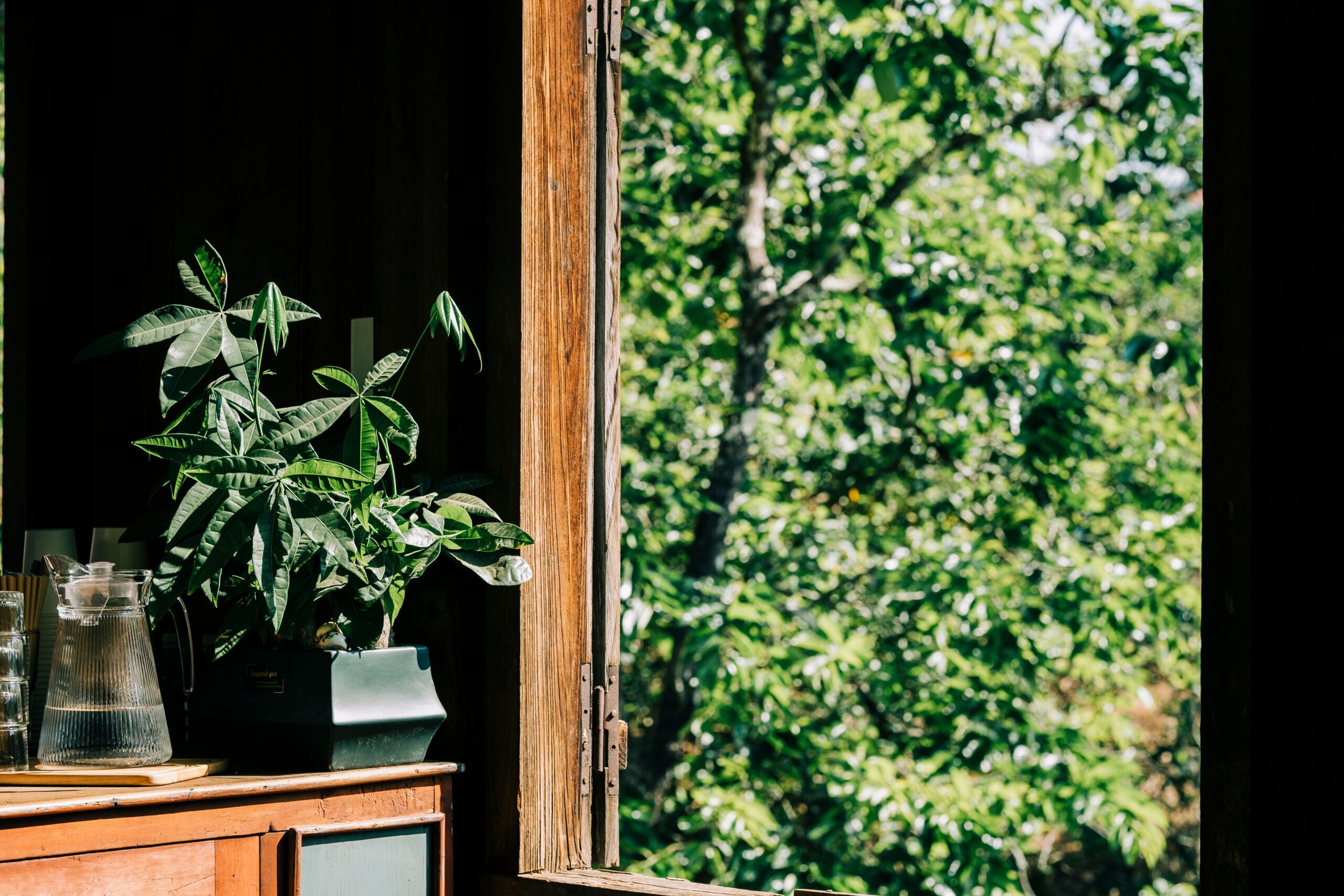
Low light is one of the most common reasons houseplants grow slowly, and it’s easy to miss. A room that looks bright to you can still be too dim for your plant. If yours is leaning toward the window or its new leaves keep coming in smaller and paler, it wants more light.
Move it closer to a bright window, wipe the dust off its leaves so they can catch more light, or add a grow light during the darker months. Keep it away from cold windows and heater vents as well, since sudden temperature swings can stall growth too.
Found the cause? Here’s how to get your plant growing again, step by step.
How to Get Your Plant Growing Again
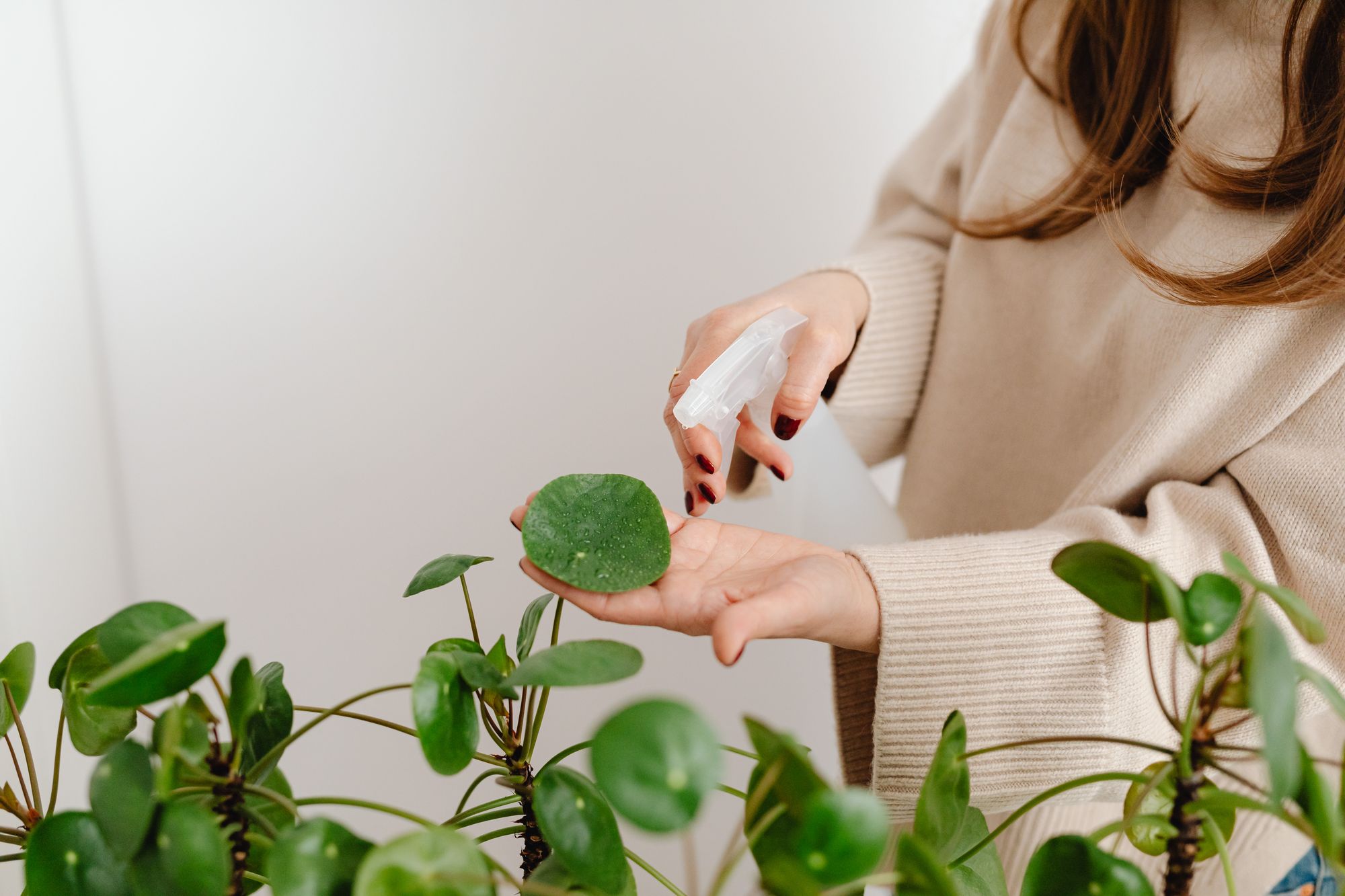
Once you know what’s holding your plant back, getting it growing again is mostly about fixing things in the right order. These plant growth tips start with the easy checks and work down to the roots.
- Check the season first. If it’s between November and February and your plant looks healthy, it’s likely resting. Water less, skip the fertilizer, and give it the brightest spot you have until spring.
- Fix the light. Move your plant closer to a bright window or add a grow light, and turn it every week or so so all sides get light.
- Look at the roots. Slide the plant out of its pot. Healthy roots are firm and intact. They’re often white or light in color, but some plants have naturally tan or brown roots, and that’s fine too. If they’re circling the pot or poking out the bottom, it’s time to repot.
- Repot if needed. Spring is the best time. Choose a pot just one size bigger with drainage holes, use fresh, slightly damp potting mix, and gently loosen any tangled roots before you plant.
- Reset your watering. Check the soil before you water, not the calendar, and keep your plant’s own needs in mind, since some like to dry out more than others. Water until it drains, then empty the saucer.
- Flush, then feed lightly. If you see white crust on the soil and your pot drains well, rinse it out with plain water first. Feed at half strength, and only while your plant is actively putting out new growth.
- Change one thing at a time. Give each change a few weeks to work before you try something else, so you know what actually helped.
New growth usually starts small. Look for a tiny leaf unfurling, a soft, pale shoot at the tip of a stem, or fresh roots peeking out of the drainage holes.
🌱 Thryve Tip: Just repotted and still no new leaves? A short pause is normal. Your plant is busy growing roots into the fresh mix before it puts energy into leaves.
Supporting Healthy Roots So New Growth Can Follow
Fixing the light, pot, soil, and watering clears the way for growth. After that, your plant needs strong new roots to keep it going, and that comes down to the conditions around them: moisture, oxygen, and drainage.
This is where Thryve Roots fits into your plant-care routine.
Thryve Roots is an OMRI Listed® organic soil amendment designed to support healthy root development and the root-zone environment as part of a complete plant-care routine. It’s a 0-0-0 NPK soil amendment, not a fertilizer or a rooting hormone.
Thryve Roots can be incorporated into your watering routine, including when establishing plants in fresh growing media, following the recommended application instructions. If you’re starting new plants from cuttings, you can also add it to the propagation water or use it when watering cuttings in a growing medium. It can also be used alongside a rooting hormone when appropriate. While a rooting hormone encourages new roots to form, Thryve Roots helps support the developing root system and its growing environment as the plant continues to establish.
Frequently Asked Questions About Plants Not Growing
Why is my plant not growing but not dying?
It’s usually resting for the season or stuck on one problem, most often low light or a cramped pot. Go through the checklist above to find which one.
Why is my plant not growing new leaves?
Start with light, since a dim spot is the most common cause. If the light is fine, check whether the roots have run out of room or the soil has worn out.
Why is my plant not growing after repotting?
A short pause is normal while the roots settle into the new mix. If it lasts more than a few weeks, make sure the pot isn’t too big and the soil isn’t staying soggy.
Should I fertilize a plant that isn’t growing?
Not as a first step. Fertilizer won’t help if the plant lacks light or the roots can’t take it up, so fix those first and only feed once it’s actively growing again.
How long does it take for a plant to start growing again?
In the growing season, you’ll often see new growth within a few weeks of fixing the problem. A plant resting through winter may not grow again until spring.
Ready to See New Growth Again? Start With the Roots
A plant that has stopped growing is often telling you something about its roots, its light or the season it’s in. Our FREE Healthy Roots Handbook walks you through practical ways to support root development, improve the root environment, and give your plants what they need to keep growing well, all year long.

Be the first to comment