

Root problems are easy to miss because the part of the plant that needs attention is usually the part you cannot see.
By the time something looks wrong above the surface, the root zone may already have been under stress for a while and because many plant problems can look similar at first, it is easy to respond with more water, more fertilizer, or another quick fix without checking what is actually happening around the roots.
Instead of reacting to one symptom, look at the bigger pattern. Changes in growth, leaf appearance, soil condition, and even smell can all offer clues about what is happening below the surface.
Here are seven common signs of unhealthy roots, what they may be telling you, and what to check before the problem progresses. For a deeper understanding of how root health affects the entire plant, read the complete blog.
1. Leaves Are Yellowing Without an Obvious Reason
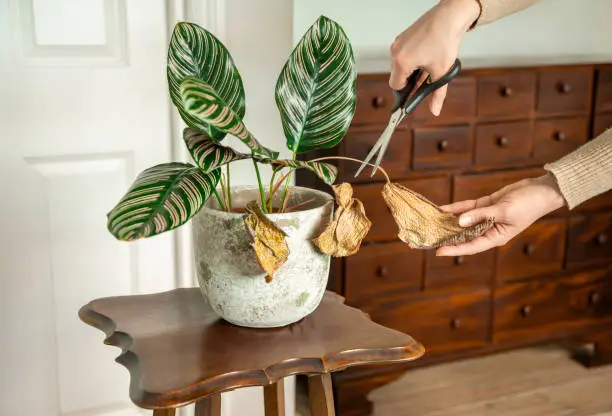
One yellow leaf is not usually a reason to panic. But when several leaves start turning yellow, the discoloration keeps spreading, or the plant looks worse even though its routine has not changed, it is worth checking below the surface.
Yellowing can happen for plenty of reasons, including natural leaf aging, low light, nutrient imbalances, or watering problems. The roots become a stronger suspect when the yellowing appears alongside signs such as slow growth, wilting, or a root zone that stays wet much longer than expected.
When roots are stressed or damaged, the plant may have trouble taking up water and nutrients efficiently. That can show up in the leaves before you ever see a problem with the roots themselves.
Before adding fertilizer or watering again, check a few things:
- Is the root zone still wet several days after watering?
- Can excess water drain away freely?
- Has the plant started growing more slowly too?
- Are you noticing wilting, a sour smell, or other signs of stress?
If several of these are happening together, the yellow leaves may be a symptom of a bigger root-zone problem rather than something that needs a quick above-ground fix.
2. Your Plant Wilts Even Though It Has Enough Water
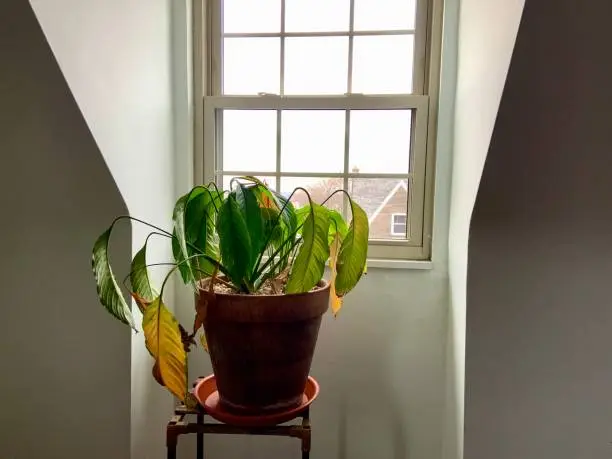
A wilted plant looks thirsty, so the natural reaction is to water it.
But if the root zone is already moist and the plant is still drooping, more water may be the last thing it needs.
When roots stay too wet for too long, the spaces around them can lose the airflow they need. Stressed or damaged roots may then struggle to take up water properly, even though plenty of moisture is sitting around them. The result can be confusing: the plant looks dehydrated while the root zone is actually overly wet.
This is also how gardeners can accidentally make a root problem worse. The plant wilts, gets watered again, wilts some more, and gets another drink. Meanwhile, the roots remain in conditions that are making recovery harder.
Quick Root-Zone Check
Before watering a wilted plant again, check:
✓ Moisture below the surface: Is the root zone still damp or saturated?
✓ Drainage: Does excess water have somewhere to go?
✓ Timing: Is the growing medium taking much longer than usual to dry between waterings?
✓ Other symptoms: Are you also seeing yellow leaves, stalled growth, or an unusual smell?
✓ The roots themselves: If the problem continues, are any roots soft, slimy, or beginning to break down?
If the root zone is already wet, hold off on adding more water until you understand why the plant is wilting.
🌱 Thryve Tip: Don’t let drooping leaves make the decision for you. Check what’s happening around the roots first.
3. New Growth Is Small, Weak, or Has Stopped
A plant does not have to be yellow or drooping to be struggling. Sometimes the first sign is simply that nothing new is happening.
You may notice new leaves coming in smaller than usual, stems looking thin or weak, or a plant that seems stuck at the same size even during its active growing season. If light, temperature, and basic care have not changed, the root zone is worth a closer look.
Common soil problems like compaction, poor drainage, and uneven moisture can also make it harder for roots to grow and function properly.
Roots that are crowded, damaged, or sitting in poor growing conditions can limit how well the plant responds to everything else you are doing. That is why adding more fertilizer is not always the answer. If the root system is already under stress, pushing more nutrients into the root zone may not solve the underlying issue.
Quick Root-Zone Check
Look for a few clues before changing the plant’s routine:
- Root crowding: Are roots tightly circling the container or filling almost all available space?
- Water movement: Does water sit around the roots or rush straight through without wetting the root zone evenly?
- Growing environment: Has the medium become compacted or difficult for water and air to move through?
- Other warning signs: Are you also seeing yellowing, wilting, or fewer flowers?
- Timing: Is growth slow because of normal seasonal dormancy, or has the plant stopped growing when it normally should be active?
If several of these signs show up together, focus on correcting the root-zone problem before trying to force new growth.
4. Roots Are Mushy, Slimy, or Falling Apart
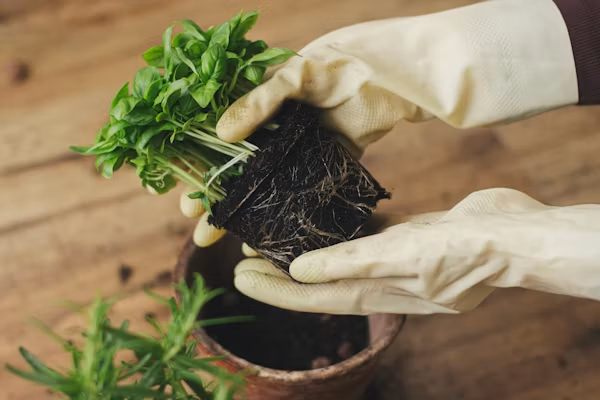
Root rot is one of the more serious root problems, but it is also one gardeners can sometimes catch before the entire plant declines.
The first thing to know is that brown roots do not automatically mean root rot. Root color varies between plant species and growing environments, so color alone is not enough to make the call. What matters more is how the roots look, feel, and smell.
Roots affected by rot are often soft, mushy, or slimy instead of firm. They may collapse when touched, peel apart easily, or have darkened sections paired with an unpleasant smell. You may also notice that the root zone stays wet for unusually long periods, especially if excess moisture has nowhere to go.
What to Look For
If you can safely inspect the roots, check for:
- Soft or mushy areas that lose their structure when touched
- Slimy sections along the roots
- Roots that break or pull apart easily
- Dark brown or black areas combined with soft texture
- A sour or rotten smell coming from the root zone
- Persistent wetness around the roots even well after watering
One of these signs on its own may not tell you much. Several appearing together make root rot much more likely.
What to do if you suspect root rot
- Carefully expose or remove the root system where appropriate.
- Remove excessively wet material around the roots so you can inspect them.
- Trim clearly dead or rotting roots with clean tools.
- Remove decaying material.
- Re-establish the plant in an appropriate, well-aerated growing environment.
The important part is not just removing damaged roots. You also need to correct whatever kept the root zone too wet in the first place, or the same problem can return.
5. Your Plant Is Producing Fewer Flowers or Fruits
Sometimes a root problem does not show up as dramatic leaf damage or visible rot. Instead, the plant simply stops performing the way it used to.
A flowering plant may produce fewer blooms, buds may drop before opening, or a fruiting plant may give you a noticeably smaller harvest. If the plant was previously productive and nothing obvious has changed above the surface, the root zone is worth checking.
Flowering and fruiting require a lot from a plant. When the roots are stressed, crowded, damaged, or sitting in an unhealthy growing environment, the plant may start conserving its resources instead of putting energy into blooms and fruit.
That said, poor flowering does not automatically mean unhealthy roots. Light levels, temperature, pollination, pruning, seasonal changes, and plant maturity can all affect production too. The clue is usually in the combination of symptoms.
What to Check
Look at the root zone more closely if reduced flowering or fruiting comes with:
✓ Slower overall growth than usual
✓ Yellowing or drooping leaves
✓ A root zone that stays wet for too long
✓ Roots tightly packed into a small space
✓ Poor drainage or uneven moisture
✓ Other signs of stress that appeared around the same time
If you find a root-zone issue, deal with that before reaching for extra fertilizer. Adding more nutrients will not solve a problem caused by damaged roots, poor drainage, or lack of space.
If the root zone is already wet, hold off on adding more water until you understand why the plant is wilting.
🌱 Thryve Tip: When a plant stops producing above the surface, check whether the roots are getting what they need below it.
6. There’s a Sour or Rotten Smell Around the Roots
Sometimes your nose catches a root problem before your eyes do.
A healthy root zone should not smell sour, swampy, or rotten. If you notice a strong unpleasant odor coming from around the roots, especially after watering, it can be a sign that something below the surface is beginning to break down.
The smell itself does not automatically confirm root rot. But when it appears alongside other warning signs, such as yellowing leaves, wilting, slow growth, or roots that feel soft or fragile, it is worth taking a closer look.
What to Check
If something smells off, look for:
- Decaying material: Are dead roots, fallen leaves, or other organic matter breaking down around the plant?
- Root condition: Do any roots feel soft, slimy, fragile, or easy to pull apart?
- Other symptoms: Is the plant also yellowing, drooping, losing vigor, or struggling to produce new growth?
An unusual smell is most useful as part of the bigger picture. If several of these signs are showing up together, inspect the root system more closely instead of treating the smell as an isolated problem.
What to Do
Remove any clearly decaying material and inspect the roots for damaged sections. If you find roots that are soft, collapsing, or clearly rotting, trim those areas away with clean tools.
Then focus on correcting the condition that allowed the problem to develop so the remaining healthy roots have a better environment to recover in.
7. Your Plant Keeps Declining No Matter What You Try

You have adjusted the watering. Changed the light. Added nutrients. Removed damaged leaves.
And somehow, the plant still looks worse.
When a plant keeps declining despite several care adjustments, it may be time to stop treating each visible symptom separately and look at what is happening below the surface.
Sometimes there is not one dramatic problem. The root system may simply be struggling because of crowding, damage, poor growing conditions, or several smaller stresses happening at the same time.
This is especially worth investigating when several warning signs appear together, such as yellowing, wilting, weak growth, leaf drop, fewer flowers, or an unusual smell around the roots.
Take a Closer Look at the Root Zone
Before trying another fix, check:
- Root space: Are the roots tightly circling the container or running out of room?
- Root condition: Do they still feel firm and intact, or are there soft, damaged, or collapsing areas?
- Growing medium: Has it become compacted, degraded, or difficult for the roots to grow through?
- Recent changes: Has anything changed in the plant’s location, watering routine, temperature, or general care?
The goal is to stop guessing and identify the most likely source of stress before making another change.
Stop Changing Everything at Once
When a plant looks like it is dying, it is tempting to try several things at the same time: more fertilizer, a new location, repotting, pruning, or another watering adjustment.
But changing too much at once can add more stress and make it difficult to tell what was actually helping.
Instead, correct the most likely problem first and give the plant time to respond. Damaged leaves may not recover, so look for signs such as healthier new growth, fewer new symptoms, stronger stems, or a return to more normal growth.
If the root zone is already wet, hold off on adding more water until you understand why the plant is wilting.
🌱 Thryve Tip: When nothing seems to work above the surface, the root zone may be the best place to look next.
What to Do When You Find a Root Problem
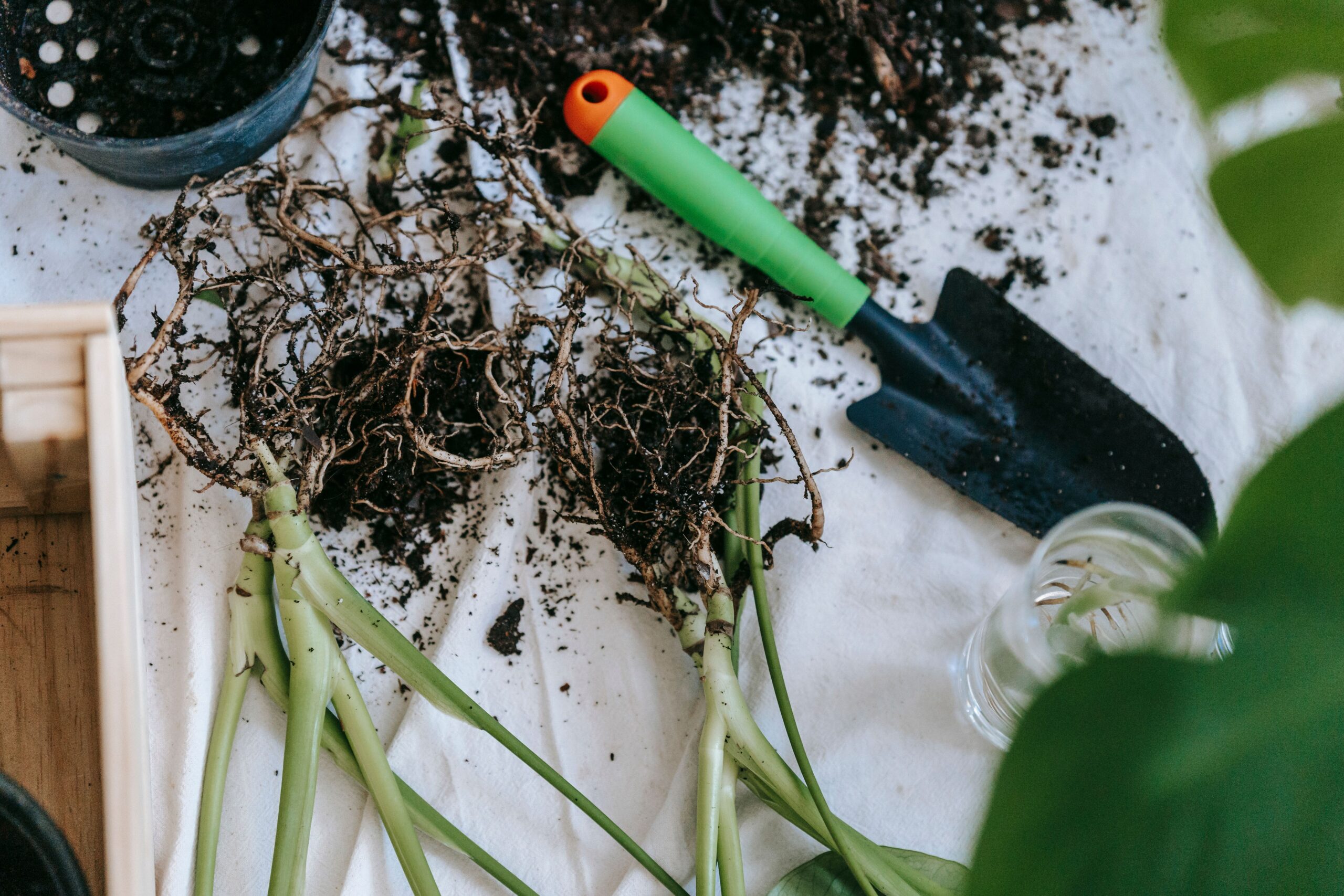
Finding a root problem does not mean you need to change everything about the plant’s care at once. A simpler approach is to identify what is causing the stress, correct that problem, and then give the root system the right conditions to recover.
Identify the Problem
Start by looking at what is actually happening around the roots.
Are the roots crowded? Are there damaged or decaying sections? Has the growing medium become compacted or unsuitable? Is something in the plant’s routine or environment putting continued stress on the root system?
Try to identify the most likely cause before adding more water, fertilizer, or another product. Different root problems need different responses, and treating every struggling plant the same way can easily create another issue.
Address the Root-Zone Problem
Once you have a clearer idea of what is wrong, address that specific problem.
Depending on the plant and growing setup, that might mean:
- Adjusting the watering routine
- Improving drainage or aeration
- Removing clearly damaged roots or decaying material
- Giving overcrowded roots more space
- Replacing growing media that has become compacted or degraded
- Correcting another environmental condition that is keeping the root system under stress
You do not need to create a perfect growing environment overnight. The first priority is simply to remove the condition that is actively working against the roots.
Give the Plant Time to Recover and Support the Root Zone
Once the immediate stress has been corrected, give the plant time to respond.
Root recovery is rarely instant. Damaged leaves may stay damaged, and growth may remain slow for a while as the plant redirects energy toward the root system. Instead of making another major change after a few days, look for gradual signs of improvement such as healthier new growth, fewer new symptoms, or a return to more normal growth patterns.
From there, the focus shifts from troubleshooting to supporting the root-zone environment over time.
That is where Thryve Roots fits into the picture.
Thryve Roots is an OMRI Listed® organic soil amendment designed to support the root-zone environment as part of a complete plant care routine. It is not a treatment for root rot or a quick fix for damaged roots. Instead, it works alongside the basics of good root care.
The idea is simple: correct the problem first, give the plant time to recover, and then focus on creating better conditions around the roots moving forward.
If the root zone is already wet, hold off on adding more water until you understand why the plant is wilting.
🌱 Thryve Tip:Root recovery starts with fixing the problem. Long-term plant health comes from supporting what happens next.
Fixing a root problem is only part of keeping it from coming back. The next step is understanding what roots need to stay healthy as the plant continues to grow. In [Why Healthy Roots Matter: The Foundation of Every Thriving Plant], we break down the root-zone conditions that support healthy root development and explain how what happens below the surface affects the whole plant. It’s a helpful next read if you want to move from troubleshooting root problems to preventing them in the first place.
Frequently Asked Questions About Unhealthy Roots
How can you tell if a plant has unhealthy roots?
Unhealthy roots often show up through a combination of symptoms rather than one obvious sign. Yellowing leaves, wilting despite moist conditions, stalled growth, fewer flowers or fruits, unpleasant smells around the root zone, and soft or decaying roots can all point to a problem below the surface.
If several of these signs appear together, inspect the root zone before making more changes to the plant’s care routine.
What do unhealthy plant roots look like?
Unhealthy roots may appear darkened, soft, slimy, damaged, or easy to pull apart. However, brown roots do not always mean the roots are unhealthy, since normal root color varies by plant and growing environment.
Texture and smell are often more useful clues. Roots that are firm are generally less concerning than roots that feel mushy, collapse when touched, or have a rotten odor.
Can a plant recover from root rot?
A plant may recover from root rot if enough healthy root tissue remains and the problem is caught early enough. Remove clearly decaying roots, correct the conditions that allowed the root zone to stay overly wet, and give the plant time to recover.
Avoid assuming that simply repotting or adding a product will solve the problem. The underlying moisture, drainage, or aeration issue also needs to be addressed.
Why is my plant wilting when the root zone is still wet?
Wilting does not always mean a plant needs more water. When roots remain overly wet or become damaged, they may struggle to function properly even when plenty of moisture is present around them.
Before watering again, check how wet the root zone actually is and look for other signs of root stress, such as yellowing, slow growth, or soft roots.
Should I fertilize a plant with damaged roots?
Usually, the first priority should be correcting the root-zone problem rather than immediately adding more fertilizer. If roots are stressed, damaged, or decaying, adding nutrients may not address what is causing the plant to decline.
Identify the source of stress first, correct it, and then return to an appropriate ongoing care routine as the plant begins to recover.
How long does it take unhealthy roots to recover?
Recovery time depends on the plant, the severity of the damage, and how quickly the underlying problem is corrected. Some plants may begin producing healthier new growth relatively quickly, while more severe root damage can take much longer.
Instead of expecting damaged leaves to repair themselves, watch for signs such as new growth, fewer new symptoms, and a return to more normal water use.
Take the Guesswork Out of Root Care
Root problems are easier to manage when you know what to look for. Our FREE Healthy Roots Handbook gives you a practical guide to spotting root stress, troubleshooting common problems, and building healthier plants from the roots up.
Already part of the Thryve Roots Squad? Check your inbox — your copy is waiting for you.

Be the first to comment