

Your plant was doing perfectly fine a few weeks ago, and now the leaves are turning yellow, the stems are drooping, and nothing you do seems to help. You’ve tried watering it more, moving it closer to the window, maybe even adding fertilizer. But somehow, your plant looks worse than when you started.
The frustrating part about figuring out how to save a dying plant is that the same symptoms can mean completely different things. Drooping leaves could mean your plant is thirsty, or that you’ve watered it so much its roots are struggling to function. And giving an overwatered plant another drink? Not exactly the rescue mission you had in mind.
The good news? Many struggling plants can recover once you identify what’s wrong. Here’s how to spot the warning signs, check what’s happening below the soil, and give your plant the right care.
How Do You Save a Dying Plant?
To save a dying plant, start by figuring out what’s causing the trouble. Check the soil moisture, inspect the roots if you suspect damage, and look for signs of too much or too little light. Once you’ve identified the problem, adjust the plant’s care accordingly. The sooner you tackle the actual cause, the better its chances of recovery.
Here’s what to do:
- Check the soil moisture. Push your finger about 1–2 inches into the soil. Bone-dry soil may mean underwatering, while constantly soggy soil can point to overwatering or poor drainage.
- Take a look at the roots. If you suspect root rot, gently slide the plant out of its pot. Healthy roots feel firm, while rotting roots are often mushy and falling apart.
- Fix the watering problem. Rehydrate dry soil thoroughly, or address poor drainage and damaged roots if the plant has been overwatered.
- Adjust the light. Move plants with scorched leaves away from harsh sunlight, or give leggy, pale plants more suitable light.
- Remove dead growth. Trim completely dead leaves and damaged roots when necessary, using clean scissors.
- Watch for recovery. Keep conditions consistent and look for fewer signs of stress and healthy new growth.
Can a Dying Plant Actually Be Saved?
Yes, a dying plant can often be saved, even if it has lost most of its leaves. What matters is whether it still has living stems, healthy root tissue, or growing points capable of producing new growth. A plant that looks half-dead isn’t necessarily beyond saving. But if its roots and growing tissues have completely died, no amount of watering or fertilizer will bring it back.
Signs Your Plant Is Still Alive
Before you give up on your plant, check for these signs:
- Firm stems: Gently squeeze the stems. If they’re still firm rather than completely dried out or mushy, there’s hope. On woody plants, a tiny scratch beneath the bark may reveal green, living tissue.
- Healthy growing points: Look for small buds, new shoots, or firm growth at the base. Even a plant with no leaves can bounce back if its growing points are alive.
- Surviving roots: Carefully inspect the roots if necessary. Firm, intact roots are encouraging, even if they’re naturally brown or tan. Mushy roots that fall apart easily are a different story.
When a Plant May Be Beyond Saving
If the entire stem has become soft and rotten, the crown has collapsed, and all the roots have disintegrated, recovery is unlikely. But don’t throw it away just yet! If there’s a healthy stem or another viable plant part left, you might still be able to propagate it and grow a new plant.
Save, Propagate, or Let Go?
| What you find | What to do |
|---|---|
| Firm stems, living roots, or healthy growing points | Save it: Correct the problem and give it time to recover. |
| The main plant is badly damaged, but healthy material remains | Propagate it: Take a suitable cutting or use another species-appropriate propagation method. |
| All roots, stems, and growing points are dead or rotten | Let it go: Unfortunately, there’s no living tissue left to recover. |
Why Is My Plant Dying? A Symptom-to-Cause Diagnosis Guide
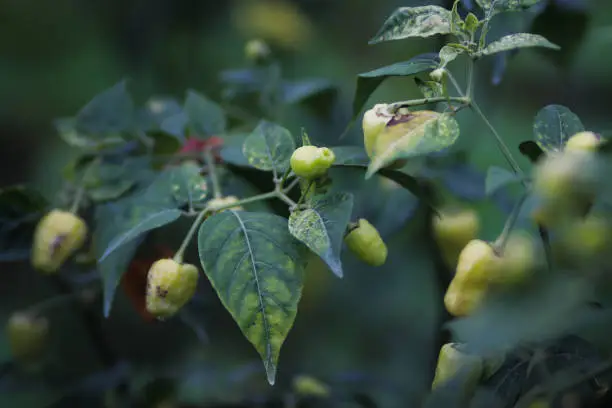
Different plant problems can produce surprisingly similar symptoms. Wilting, for example, can happen when soil is bone-dry or when damaged roots can’t absorb water from saturated soil.
That’s why checking what’s causing the symptoms matters more than treating what you can see.
Common Warning Signs and What They Actually Mean
Use this quick diagnosis chart to narrow down the possibilities before making any changes.
| Symptom | Possible Cause | How to Confirm | First Action |
|---|---|---|---|
| Yellow leaves | Overwatering, low light, nutrient problems, natural aging | Check soil moisture and whether older or newer leaves are affected | Fix the underlying issue; don’t automatically add water |
| Wilting or drooping | Underwatering, damaged roots, heat stress | Feel the soil deeper down and check the roots if it stays wet | Rehydrate dry soil or investigate root damage |
| Brown, crispy tips | Inconsistent watering, dry air, fertilizer salt buildup | Review watering habits, humidity, and fertilizer use | Correct moisture or environmental problems |
| Mushy stems | Stem or crown rot, often associated with excess moisture | Check for soft, collapsing tissue near the soil line | Remove affected tissue when appropriate and assess the roots |
| Slow or stalled growth | Insufficient light, crowded roots, seasonal slowdown | Check light exposure, root congestion, and the growing season | Improve growing conditions where necessary |
| Brown or bleached patches | Sun scorch, temperature damage | Check for direct sunlight or recent temperature changes | Move to a more suitable location |
| Leaves dropping suddenly | Environmental shock, watering problems, pests | Look for recent changes and inspect leaves for insects | Address the specific stressor |
For a closer look at one particularly confusing symptom, read our guide on why plant leaves turn yellow even after watering.
Why Root Health Matters When Reviving a Plant
You can remove every yellow leaf, adjust the sunlight, and perfect your watering schedule, but if your plant’s roots are damaged, it may keep struggling.
What Happens Below the Soil Surface
Roots absorb water and dissolved nutrients through their surfaces, especially their fine, actively growing regions. But they also need oxygen to release energy through cellular respiration, which helps power nutrient uptake and growth.
A healthy potting mix contains tiny spaces that hold both air and water. When those spaces remain flooded, oxygen becomes scarce and root function starts to suffer.
The Royal Horticultural Society explains that waterlogging disrupts root respiration and water absorption. Prolonged oxygen deprivation can eventually damage roots and increase the risk of rot.
How Unhealthy Soil Can Interfere With Recovery
Even if your plant still has healthy roots, poor soil conditions can make recovery difficult.
- Poor drainage: Water stays around the roots too long, reducing oxygen availability.
- Compacted soil: Fewer air spaces make it harder for roots to grow and for water to move through the pot.
- Unsuitable potting mix: A mix that retains too much moisture for your plant can keep the roots wet longer than they tolerate.
- Disrupted soil biology: Microorganisms help break down organic matter and cycle nutrients, but their activity depends on suitable moisture and oxygen conditions.
As the University of Maryland Extension explains, a good growing medium must provide water, air, nutrients, and enough space for root development.
What can you do? Check that your pot has drainage holes, empty standing water from saucers, and use a potting mix suited to your plant. If the soil has become dense or stays saturated for days, investigate whether repotting is necessary.
Want to understand why all this matters beyond rescuing a sick plant? Read our guide on why healthy roots matter.
🌱 Thryve Tip: Soil can be dry on top but still wet around the roots. For larger pots, use a wooden skewer to check moisture deeper in the mix before watering again.
7 Common Reasons Plants Decline (And How to Identify Them)
From soggy soil to sneaky pests, these seven problems are among the common reasons houseplants start declining. Here’s how to tell them apart.
1. Overwatering and Poor Drainage
Overwatering isn’t about how much water you pour in at once. It’s about how long the roots stay wet without enough oxygen.
Look for: Yellowing leaves, constantly damp soil, drooping despite watering, or water collecting in the saucer.
Check: Does your pot have drainage holes? Is the soil still wet several days after watering? A pot that’s too large or a moisture-retentive mix may also be part of the problem.
2. Underwatering and Dry Potting Mix
When roots can’t access enough moisture, leaves lose their firmness and begin to wilt. Severely dried-out potting mix can even become difficult to rewet.
Look for: Drooping leaves, crispy edges, lightweight pots, or soil pulling away from the container walls.
Check: Feel the soil deeper down. If water runs straight through without moistening the root ball, the mix may have become water-repellent.
3. Root Rot and Root Damage
Root rot often develops when prolonged excess moisture creates conditions favorable to root decay and disease-causing organisms.
Look for: Persistent wilting in wet soil, rapid yellowing, or a declining plant despite consistently moist soil.
Check: Gently inspect the root system if these warning signs appear. Healthy roots are generally firm; rotting ones become soft and may fall apart when touched.
For a closer look at the warning signs, read our guide on what root rot looks like.
4. Too Much or Too Little Light
Plants need light to make energy, but their requirements vary. A peace lily and a cactus won’t appreciate the same sunny windowsill.
Look for: Pale, stretched stems and weak growth in insufficient light, or bleached, scorched patches from excessive direct sun.
Check: How much direct light does the plant receive? Has it recently been moved to a brighter or darker spot?
5. Compacted or Unsuitable Growing Medium
Over time, potting mix can break down, become dense, or hold too much moisture for the plant you’re growing.
Look for: Water pooling on the surface, unusually slow drainage, or a dense root ball with little room for new growth.
Check: Does the growing medium still suit your plant, or has its structure deteriorated?
For more details, explore our guide to common soil problems that affect plant roots.
6. Pest Infestations and Disease
Sometimes the trouble isn’t your watering technique at all. Spider mites, mealybugs, thrips, and certain plant diseases can weaken even well-cared-for houseplants.
Look for: Fine webbing, sticky residue, distorted new growth, unusual spots, or tiny insects hiding beneath leaves.
Check: Inspect leaf undersides, stem joints, and new growth closely. Not every brown spot is a disease, so identify the problem before treating it.
7. Temperature Stress, Humidity, and Fertilizer Problems
Cold drafts, hot air from heating vents, sudden temperature changes, or excessive fertilizer salts can all stress a plant.
Look for: Browning leaf edges, sudden leaf drop, damaged patches, or stalled growth.
Check: Is the plant beside an AC vent or heater? Has the temperature changed recently? Are you fertilizing more often than the product recommends?
How to Save a Dying Plant: A Step-by-Step Rescue Plan
Found the likely culprit? Here’s how to tackle the problem without stressing your plant even further.
Step 1: Examine the Whole Plant
Start with the leaves, stems, and overall growth. Are the older leaves turning yellow, or is new growth looking unhealthy too? Are the stems firm or soft near the soil?
Check underneath the leaves for pests and look for any recent changes in the plant’s environment.
Why it matters: One aging yellow leaf is usually less concerning than several leaves suddenly yellowing alongside a mushy stem.
Step 2: Check Soil Moisture and Drainage
Push your finger about 1–2 inches into the potting mix. For larger pots, check deeper too.
- Bone-dry soil? Your plant may need a thorough watering.
- Soggy soil? Check whether excess water can escape through the drainage holes.
- Water running straight through? The mix may be overly dry, water-repellent, or channeling around the root ball.
Step 3: Inspect Roots Without Causing Unnecessary Damage
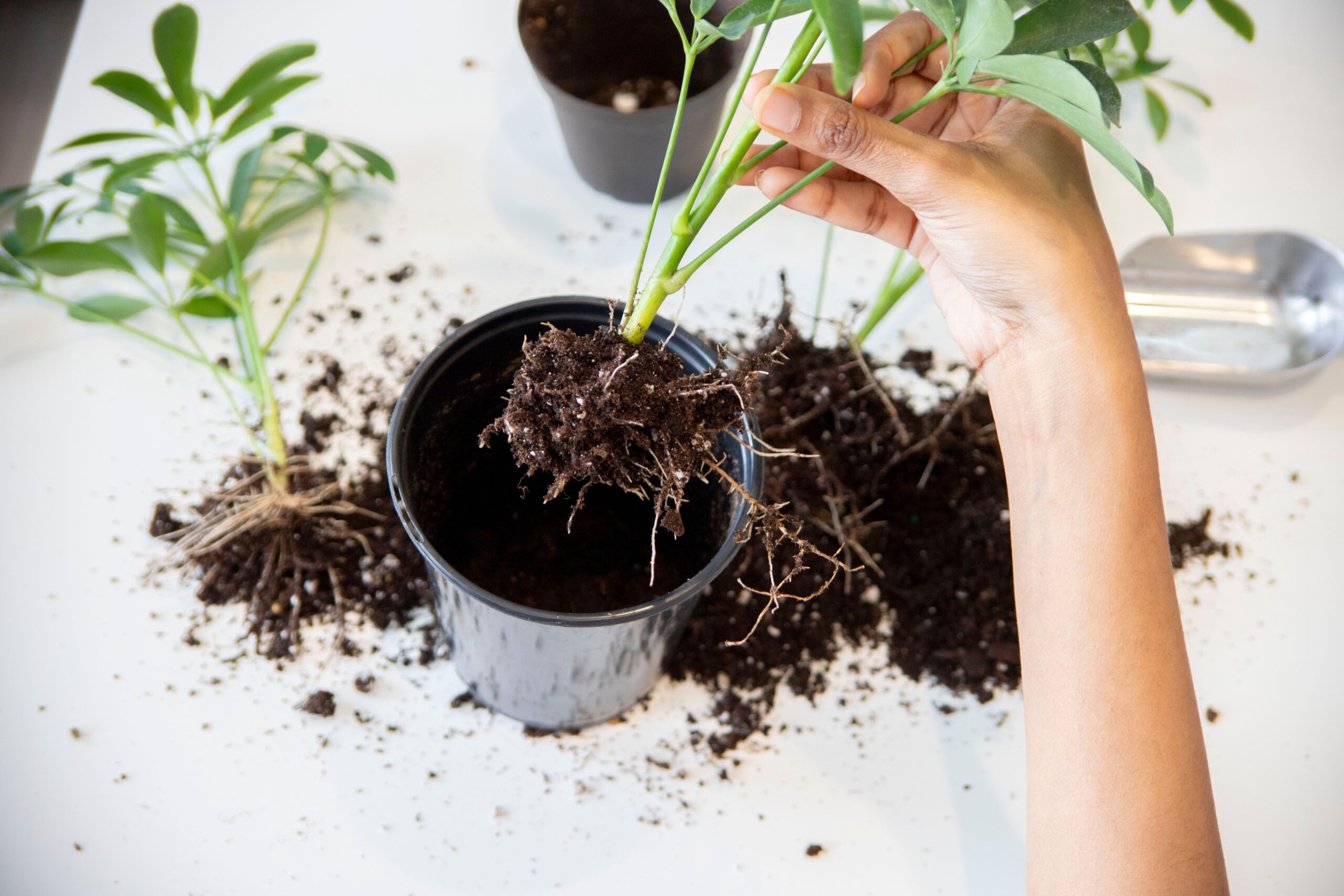
If your plant keeps wilting in wet soil, smells rotten, or has soft stems, it’s worth checking the roots.
Gently tip the pot sideways, support the stem base, and slide out the root ball. Avoid pulling on the stems or tearing apart healthy roots.
Here’s what to look for:
| Healthy Roots | Potentially Rotting Roots |
|---|---|
| Firm and intact | Soft, slimy, or collapsing |
| White, tan, or naturally darker | Often dark with deteriorating tissue |
| Hold together when handled gently | Outer tissue may slip away |
| No rotten smell | May smell sour or unpleasant |
Don’t judge by color alone. Some perfectly healthy roots are naturally brown.
Step 4: Match the Treatment to the Actual Problem
| What you find | What it means | What to do |
|---|---|---|
| Dry soil, firm roots | Likely underwatering | Water thoroughly and allow drainage |
| Wet soil, firm roots | Excess moisture or poor drainage | Pause watering and correct drainage |
| Wet soil, mushy roots | Likely root rot | Remove rotten tissue and replace compromised mix |
| Healthy roots, scorched leaves | Possible excessive light | Move to suitable light gradually |
| Healthy roots, visible pests | Pest infestation | Identify and treat the pest |
Step 5: Correct Root and Soil Conditions Where Needed
If the potting mix is compacted, waterlogged, or deteriorating, replace it with a suitable fresh mix in a container with drainage holes.
For confirmed root rot, use clean scissors to remove roots that are clearly soft and decaying. Keep as much healthy root tissue intact as possible.
Avoid moving a plant with a badly reduced root system into an oversized pot, where excess soil may stay wet too long.
And don’t repot just because your plant looks unhappy. If the roots and soil are healthy, disturbing them may add unnecessary stress.
Step 6: Remove Dead Growth and Avoid Unnecessary Fertilizer
Trim completely dead or diseased foliage with clean scissors, but leave mostly green leaves alone. They’re still producing energy through photosynthesis.
Hold off on fertilizer while you’re investigating severe stress or root damage. Nutrients won’t repair rotten roots, and excess fertilizer salts can make matters worse.
Step 7: Create a Stable Recovery Environment
Once you’ve corrected the problem, give your plant a chance to recover.
Keep it in suitable light, away from harsh temperature changes, and water according to the plant’s needs rather than a rigid calendar.
Change only what needs fixing. If you adjust the watering, lighting, fertilizer, and potting mix all at once, you won’t know which change helped or caused another problem.
One important exception: Not every plant follows the same rescue rules. Succulents and cacti generally need faster-draining mixes and more drying between waterings, while many ferns prefer more consistent moisture. Orchids, meanwhile, often need specialized growing media rather than ordinary potting soil.
Should You Repot a Dying Plant or Wait?
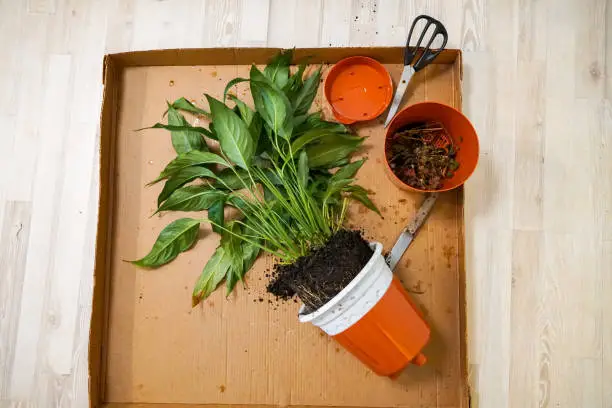
Repot a dying plant if its roots are rotting, the soil is badly compacted, or the roots have outgrown their container. But if the plant is simply thirsty or adjusting to a new environment, repotting may do more harm than good. Already stressed roots don’t need extra disturbance unless there’s a good reason for it.
When Repotting Can Add More Stress
If your plant has recently moved homes, experienced a temperature change, or gone a little too long without water, give it time to recover before disturbing its roots.
Here’s a quick way to decide:
| What You’re Dealing With | Repot or Wait? | Why? |
|---|---|---|
| Confirmed root rot | Repot | Remove decayed tissue and replace compromised soil |
| Severely compacted soil | Repot | Improve drainage and root aeration |
| Roots tightly packed in the pot | Repot when appropriate | Give healthy roots more growing space |
| Mild dehydration | Wait | Proper watering may be enough |
| Recent relocation or adjustment stress | Wait | Stable conditions may help the plant settle |
One more thing: bigger pots aren’t always better. If your plant has lost a lot of roots, placing it in a much larger container can leave excess potting mix wet for too long, increasing the risk of further damage.
Choose a pot that fits the roots you have, not the plant you hope to grow.
How Do You Know If Your Plant Is Recovering?
You’ve made the changes your plant needs. Now how do you tell whether it’s recovering or just taking its sweet time?
Plant recovery can take anywhere from a few days to several weeks or even months, depending on the damage, plant species, and growing conditions. And no, a new leaf doesn’t have to appear immediately for your rescue efforts to count as progress.
Early Signs of Stabilization
In the first few days, look for signs that things aren’t getting worse:
- Leaf loss slows down: Fewer leaves are turning yellow or dropping.
- Stems stay firm: No new mushy or collapsing areas appear.
- Wilting improves: Leaves may regain firmness, especially if dehydration was the problem.
Signs of Longer-Term Recovery
Over the following weeks, you may notice new shoots, healthier leaves, and more consistent growth. Recovering roots may also begin absorbing water more effectively, although you won’t always see that happening.
When to Reassess Your Rescue Plan
If stems continue turning mushy, rot spreads, or healthy leaves start rapidly declining, something is still wrong.
Recheck soil moisture, drainage, roots (if necessary), and growing conditions rather than repeating the same treatment.
🌱 Thryve Tip: Take a photo of your plant every week or two. Comparing pictures makes gradual improvements easier to spot and saves you from staring at the same leaf every morning, wondering if it moved.
How to Prevent Your Plants From Declining Again
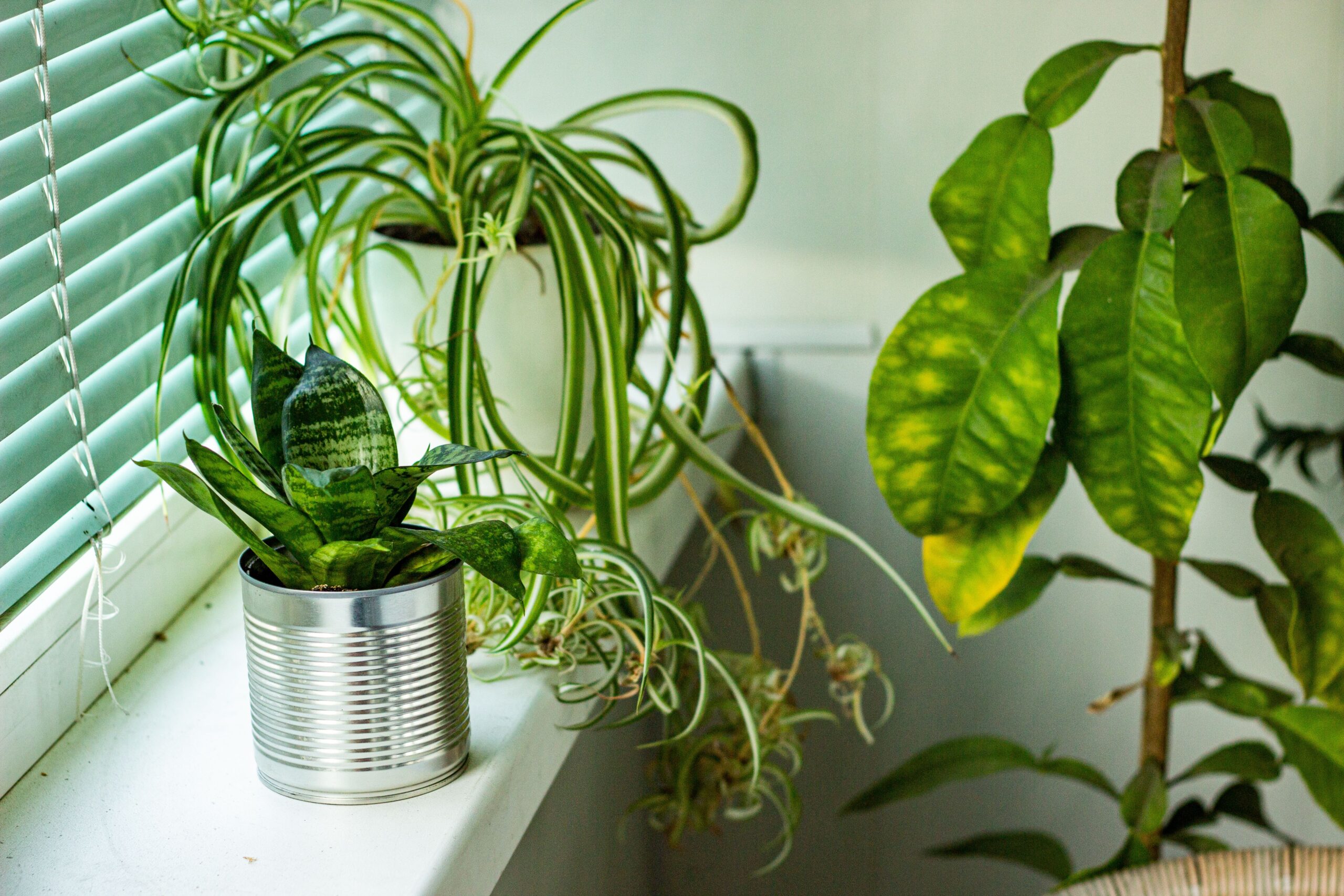
Once your plant is healthy again, a few simple habits can help keep it that way. Here’s what to check regularly before small problems turn into another rescue mission.
Build a Simple Plant Health Routine
Make these quick checks part of your regular plant care:
- Check the soil before watering. The surface might look dry while the roots are still sitting in moisture. Check deeper and water according to your plant’s needs.
- Get the lighting right. A plant that loves bright, indirect light won’t necessarily appreciate hours of harsh afternoon sun.
- Keep an eye on drainage. If water takes forever to drain or the potting mix stays soggy, investigate before the roots suffer.
- Inspect leaves regularly. Check underneath leaves and around stem joints for pests, webbing, unusual spots, or sticky residue.
Why Plant Care Changes During Fall and Winter
As daylight hours shorten, many houseplants grow more slowly and use less water. That means your usual summer watering routine might leave the soil too wet.
Indoor heating can also dry the air, while cold windows and drafts can stress tropical plants.
But don’t assume every plant needs less water in winter. Some continue actively growing under strong indoor lighting, and heated rooms can dry potting mix surprisingly quickly.
Supporting Healthy Roots Beyond Plant Recovery
Your plant may be recovering, but its roots still need the right conditions to keep growing. And if those roots have been damaged, supporting their growing environment becomes especially important.
This is where Thryve Roots fits into your ongoing plant-care routine.
Thryve Roots is an OMRI Listed® organic soil amendment designed to support healthy root development and the root-zone environment as part of a complete plant-care routine. It is a 0-0-0 NPK soil amendment, not a fertilizer or rooting hormone.
Once you’ve addressed the underlying cause of your plant’s decline, Thryve Roots can be incorporated into your ongoing care routine. Use it when watering plants in a suitable growing medium, following the recommended application instructions.
While Thryve Roots isn’t a treatment for root rot or a substitute for correcting poor drainage, it is designed to support healthy root development and the root-zone environment as plants recover and establish new growth. Used as part of a consistent plant-care routine, it helps support the foundation for stronger, healthier plants.
Keep checking soil moisture, providing suitable light, and allowing excess water to drain. Those basics still matter, even with something helpful on the shelf.
Because bringing a plant back from the brink is one thing. Helping it stay healthy is the real win.
Frequently Asked Questions About Plant Recovery
Can a completely brown plant come back to life?
Possibly, if there’s still living tissue beneath the damaged foliage. Check for firm stems, viable growing points, or healthy roots. Brown leaves won’t turn green again, but surviving tissues may produce new growth. If every growing point and root has died, recovery isn’t possible.
What is the fastest way to revive a dying plant?
Identify and correct the problem first. A dehydrated plant may improve after thorough watering, while one suffering from root rot needs damaged-root assessment and better drainage. There’s no single quick fix that works for every dying plant.
Why is my plant wilting even though the soil is wet?
Its roots may be struggling to absorb water. Waterlogged soil limits oxygen availability, which can impair root function and encourage rot. Check drainage and inspect the roots if wilting persists. Adding more water could make the problem worse.
Can an overwatered plant recover without repotting?
Yes, if the roots are still healthy and the potting mix can drain and dry appropriately. Stop unnecessary watering and correct drainage problems. However, confirmed root rot or severely deteriorated soil may require repotting.
Should I fertilize a struggling plant?
Not before identifying what’s wrong. Fertilizer won’t repair damaged roots or correct poor growing conditions, and too much can stress an already weakened plant. Resume appropriate feeding once the plant is stable and actively growing.
Can a plant recover after losing most of its roots?
Sometimes. If enough living tissue remains, certain plants can regenerate roots under suitable conditions. Recovery depends on the species, extent of damage, and environment. Avoid overwatering a plant with a severely reduced root system.
How long should I wait before deciding a plant won’t recover?
There’s no universal deadline. Mild dehydration may improve within days, while plants recovering from root damage can take weeks or months. Watch for firm stems, surviving growth points, and signs that decline has stopped. If all living tissues have died, waiting longer won’t help.
Get Your FREE Healthy Roots Handbook
A struggling plant doesn’t always need more water, more fertilizer, or another quick fix. Sometimes, the best place to start is beneath the surface.
Discover how to recognize root-health warning signs, improve your plant’s growing environment, and build better plant-care habits with our FREE Healthy Roots Handbook.

Be the first to comment